What began as another tense week along the mountainous frontier between Pakistan and Afghanistan has spiralled into the most serious military confrontation between the two neighbours in decades.
The war erupted in late February 2026 after Pakistan launched a series of airstrikes inside eastern Afghanistan. Islamabad said it was targeting hideouts of the Tehreek-e-Taliban Pakistan (TTP), the militant group responsible for a surge of deadly attacks in Pakistan’s border provinces.
Afghan authorities, led by the Taliban government in Kabul, rejected the justification, calling the strikes a violation of sovereignty, and swiftly retaliated with artillery fire and cross-border assaults.

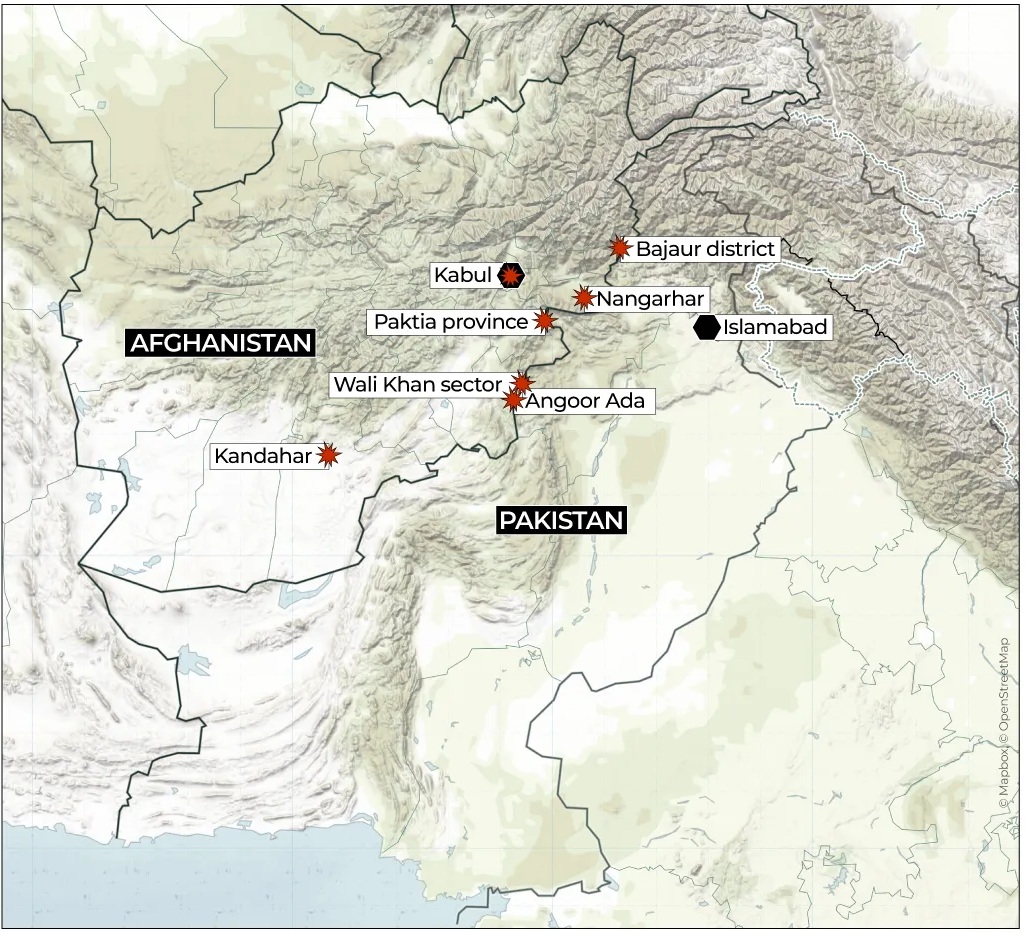
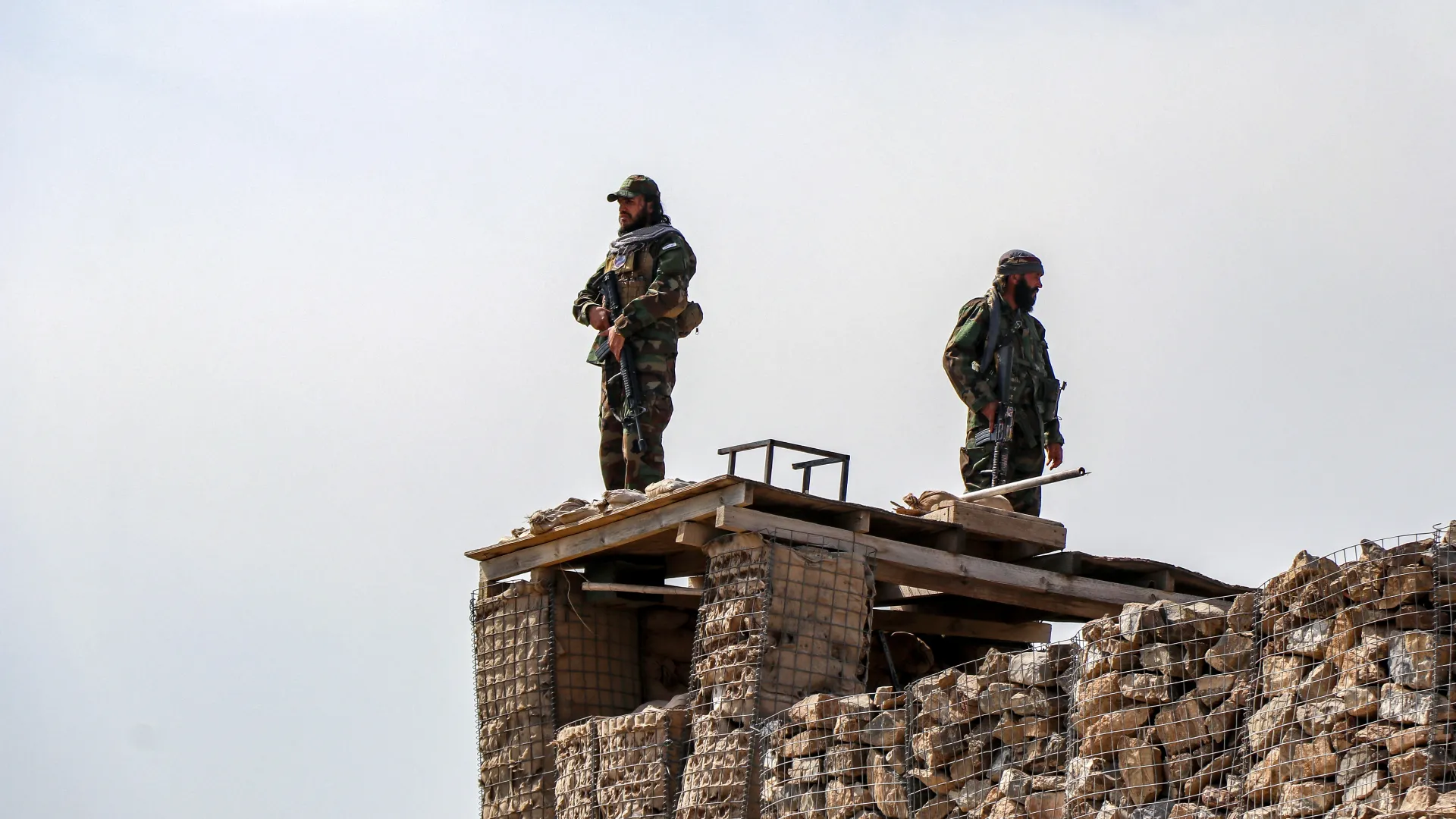
Within days, the violence escalated from targeted strikes to sustained military exchanges. Pakistani jets reportedly hit locations in Nangarhar, Paktika and even the outskirts of Kabul and Kandahar. Afghanistan responded with ground offensives and drone attacks along the contested Durand Line.
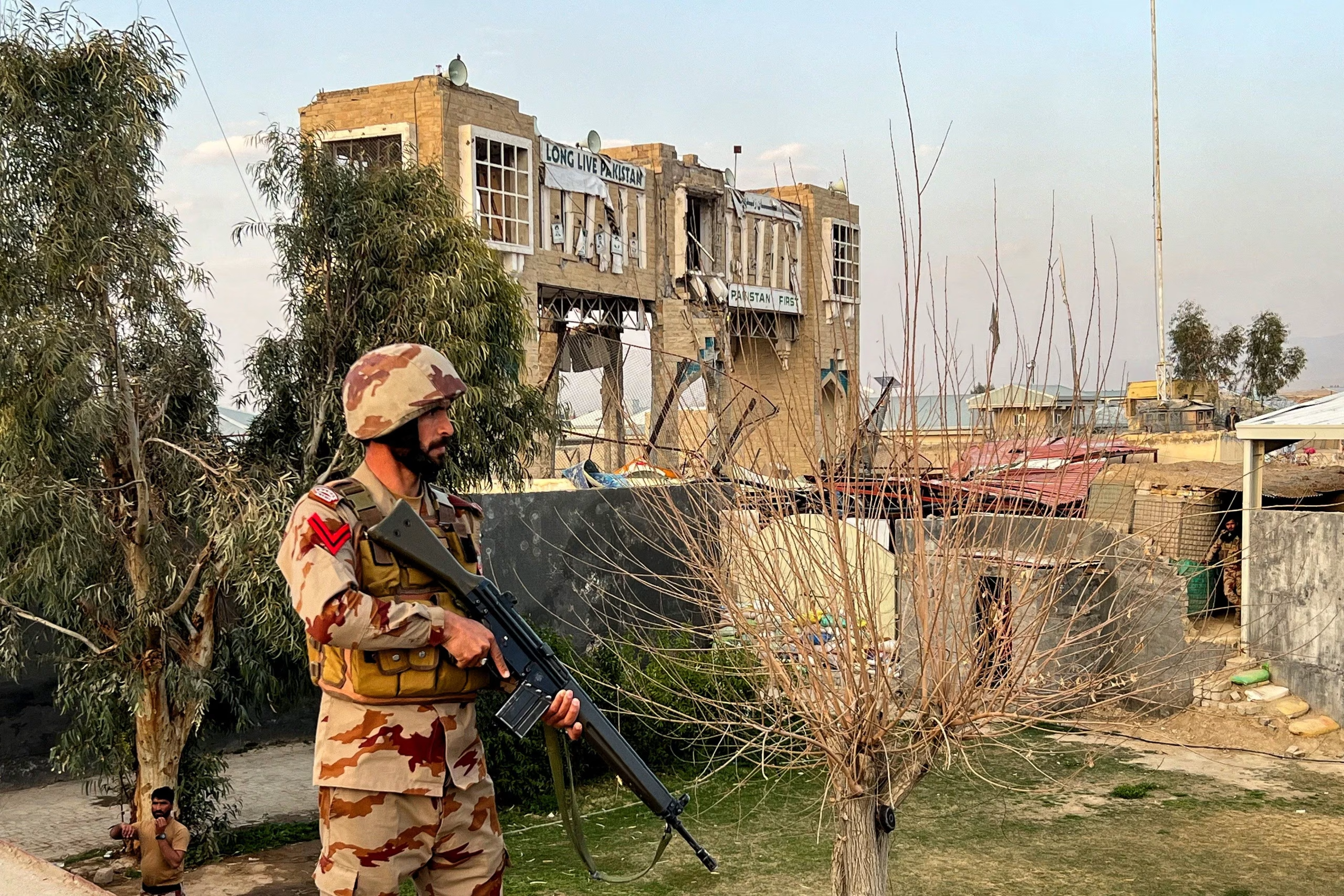
Pakistan’s defence officials declared the situation an “open war,” signalling that what had long simmered beneath the surface had now burst into full confrontation.




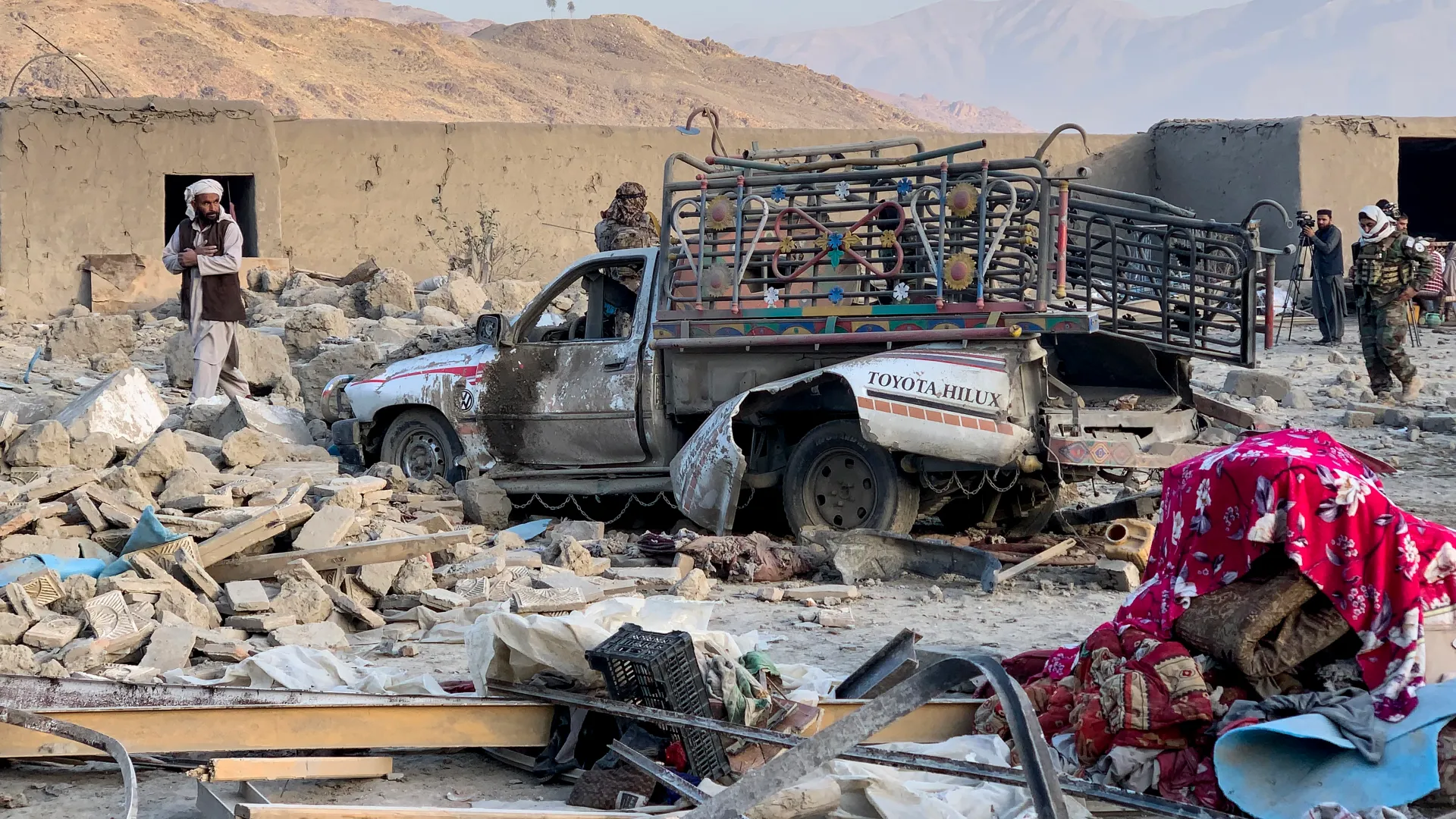
The human cost mounted rapidly. According to the United Nations Assistance Mission in Afghanistan (UNAMA), at least 42 civilians were killed, and more than 100 were injured in the first several days of fighting. Both governments claim heavy losses inflicted on the other’s forces, though independent verification remains difficult.
Villages near the border have emptied as families flee shelling, adding to Afghanistan’s already dire humanitarian crisis.
The devastation extends beyond the battlefield. Border crossings such as Torkham, a lifeline for trade and aid, have been repeatedly shut, choking the flow of food, medicine and fuel. In a country where millions already depend on humanitarian assistance, each day of fighting deepens insecurity and hunger.
For Pakistan, too, instability threatens its western provinces and its fragile economy.
At the heart of the conflict lies a bitter mix of history and mistrust. The disputed Durand Line has long divided communities and inflamed nationalist sentiment.
Since the Taliban returned to power in 2021, Islamabad has accused Kabul of failing to rein in anti-Pakistan militants operating from Afghan soil. Kabul counters that Pakistan’s security problems cannot be solved through airstrikes.
As March unfolds, artillery still echoes across the mountains. Diplomatic appeals for restraint have so far yielded little progress. For civilians on both sides of the border, the war is no longer about geopolitics; it is about survival.