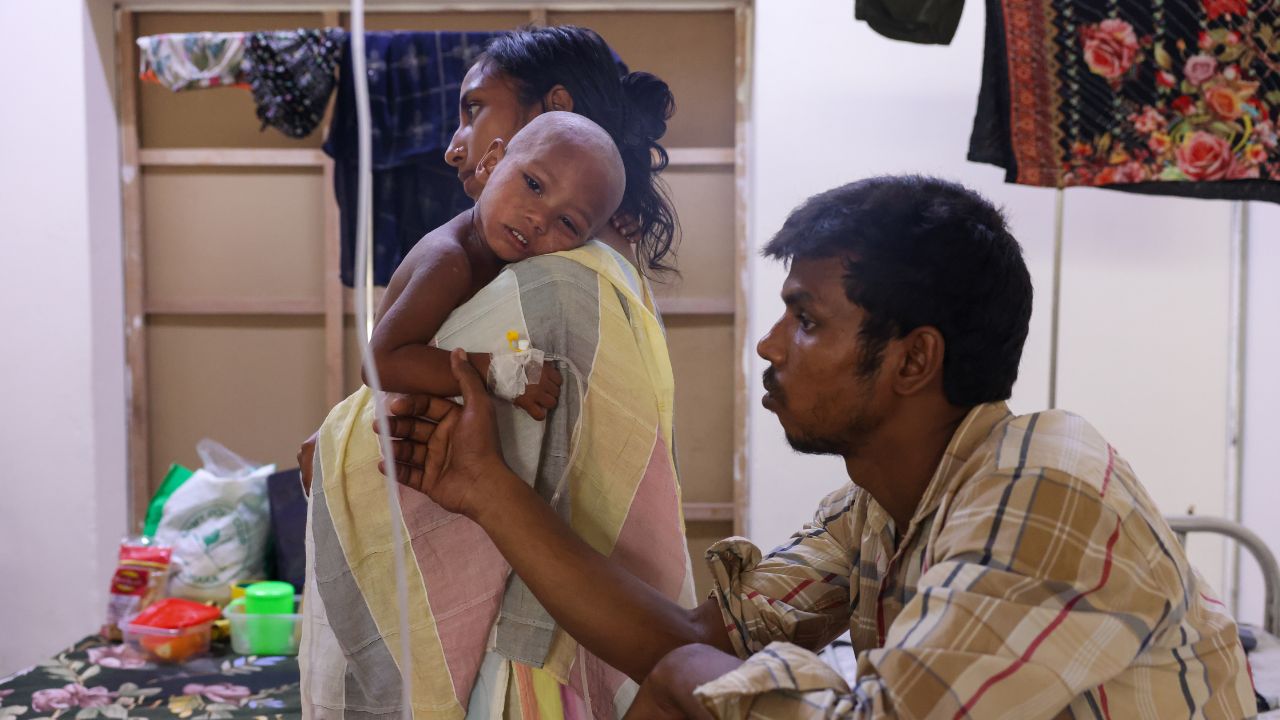
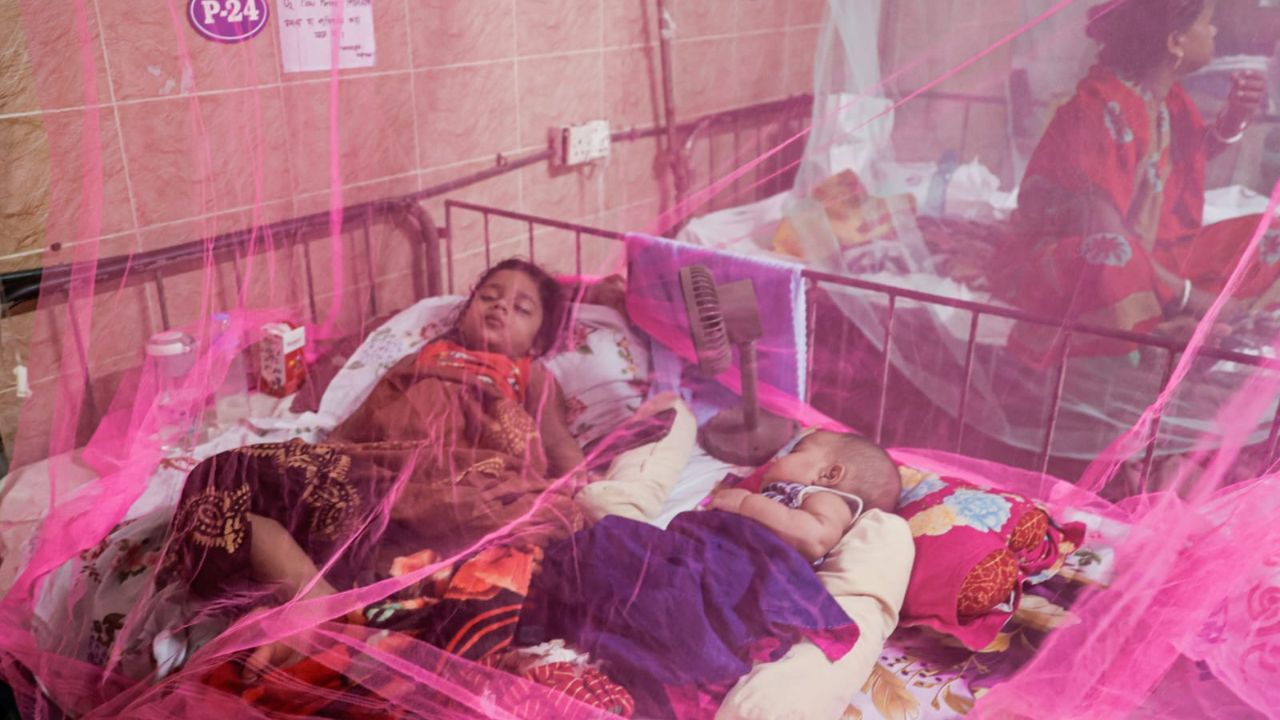
With the highest single-day dengue infections of 1,042 and nine deaths in the 24 hours leading up to Sunday morning, October is emerging as one of the deadliest months of the year, reflecting warnings from experts.
It has brought the total death toll in the first five days of this month alone to 14, with infections reaching 2,565, according to the Directorate General of Health Services (DGHS).
“Experts warn that Bangladesh is on the brink of a health emergency, with the outbreak worsening at an alarming rate in October due to persistent rain, and it could continue into November.
Dr Md Mushtaq Hossain, adviser to the Institute of Epidemiology, Disease Control and Research (IEDCR), highlighted that the risk is far from over.
“Even after the rain stops, the risk of dengue will continue for another two months (October and November). The main concern is that the rain has not yet ceased. It is continuing, causing the eggs laid by Aedes mosquitoes to hatch,” he told TIMES of Bangladesh.

Dr Hossain explained that once the current rain subsides, conditions will be perfect for the flourishing of mosquito hatching, leading to a serious threat.
So far in 2025, dengue has claimed 212 lives and hospitalised 49,907 people across the country.
Bangladesh recorded its deadliest day of the year from dengue on 21 September, with 12 people succumbing to the mosquito-borne virus in just 24 hours. With nine deaths, Sunday marks the second-highest daily toll of 2025.
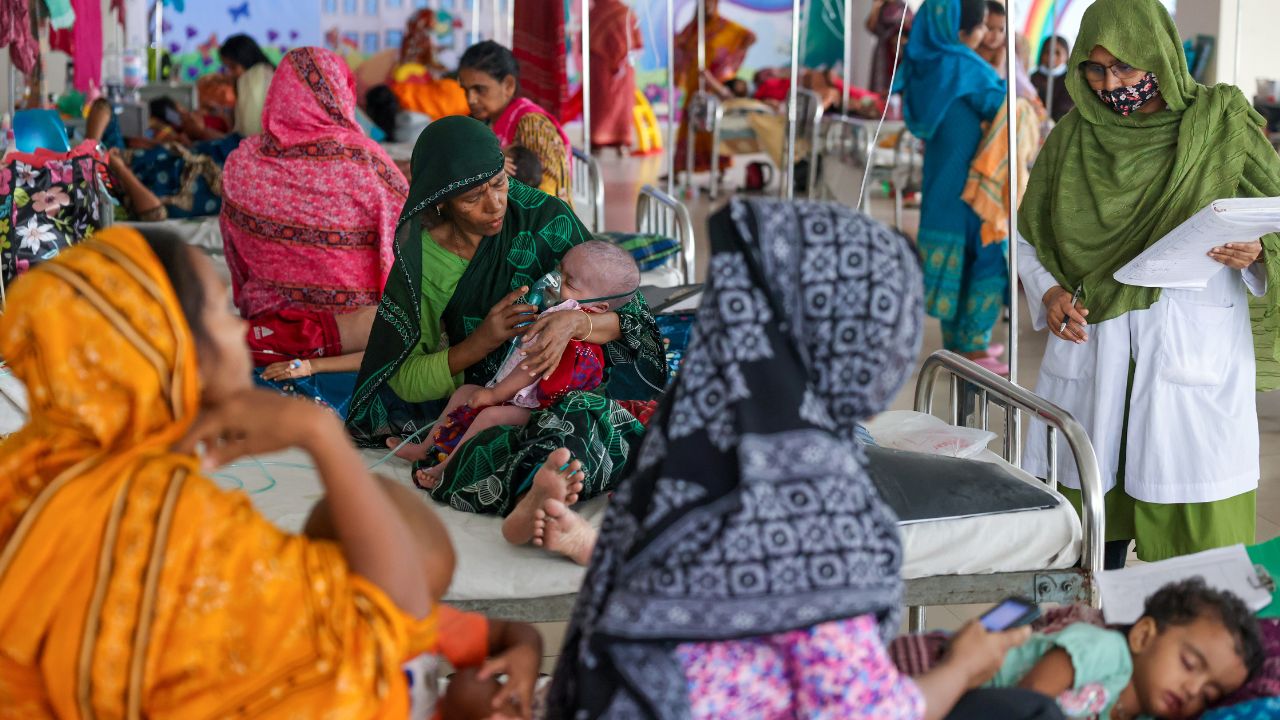



Monthly data from the DGHS shows a sharp rise after a quiet start to the year, with admissions peaking in September at a record 15,866.
Dengue-related deaths have also surged, rising from 26 between January and May to 76 in September, highlighting the escalating danger.
Experts say the worsening dengue crisis is fuelled by highly favourable weather conditions. The prolonged monsoon’s warm, wet climate is ideal for Aedes aegypti mosquitoes, which breed in stagnant urban water.
The situation worsened after Dhaka saw its heaviest rainfall – 203 to 206 mm – of the year on 1 October 2025, causing severe waterlogging.
According to Meteofor, a weather forecast website, October will remain rainy until the 12th. After that, there will be some sunshine, but more rain is expected from the 17th to the 30th.
Experts are raising serious concerns about October, with Prof Kabirul Bashar, medical entomologist at Jahangirnagar University, warning of a spike in dengue cases after the Puja holidays.
“Rainwater has collected in containers at schools, homes, offices, and courts during the closures, creating ideal breeding grounds for Aedes mosquitoes. Once people return, the stagnant water in these areas could become a major source of infection,” he said.
Dr Mushtaq Hossain urged citizens to take primary responsibility for protection, including using mosquito nets and maintaining cleanliness.
While individual action is crucial, both experts stressed that without swift coordination and special initiatives from the authorities – beyond routine fogging – controlling the escalating mosquito population will be exceedingly challenging.
Both suggested that immediate, proactive measures to eliminate breeding sites at institutional and community levels are critical to avert a catastrophic dengue surge this October.