


In 2004, an ecological study by University of Chicago researchers found that ungoverned stone quarrying in Jaflong, Sylhet contributed to the irreparable degradation of the site’s biodiversity.
Though a reforestation programme was attempted in 2005, local conflicts and procedural constraints purportedly hindered its progress. 22 years later, the range of ecological threats have only expanded with the steady growth in tourism and local businesses seeking to profit from it.
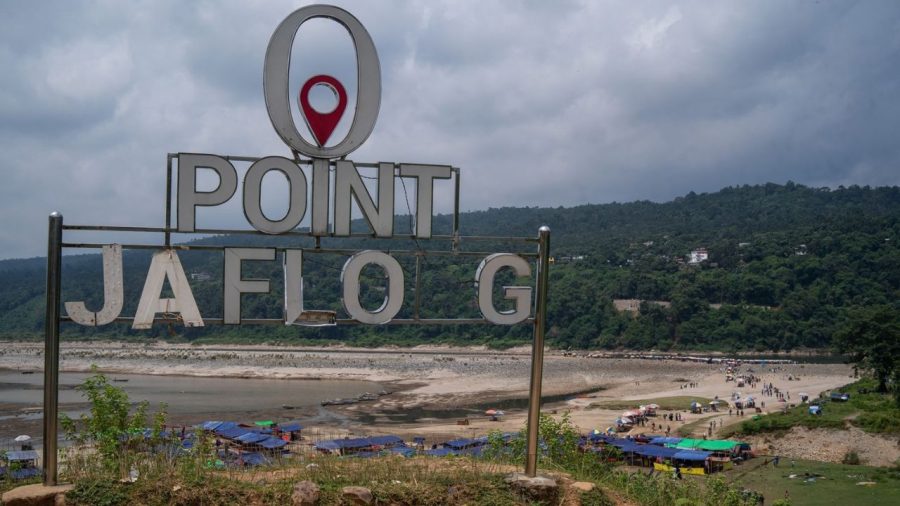
Jaflong is nestled in the Gowainghat upazila of Sylhet, situated at the border between Bangladesh and the Indian state of Meghalaya.
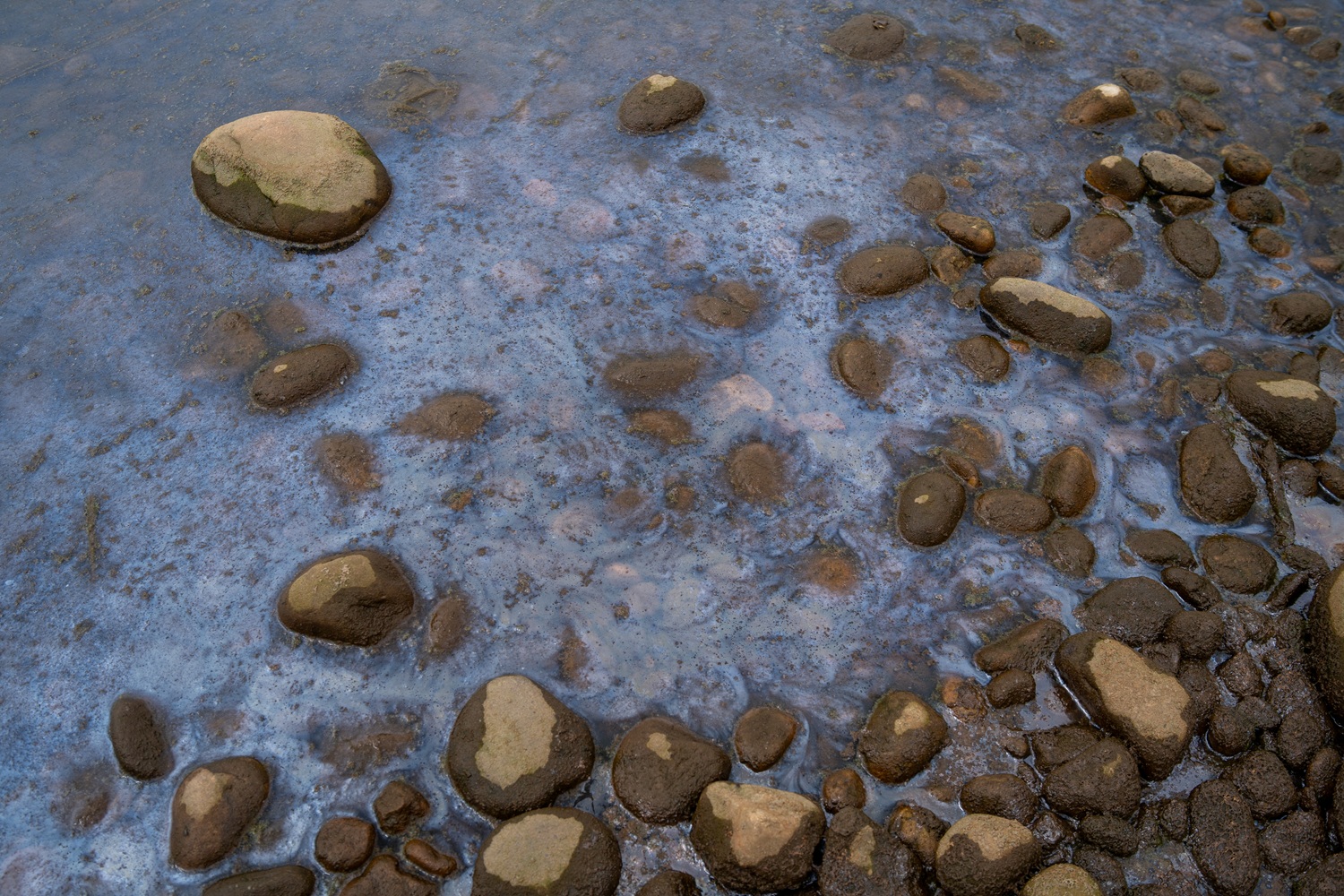
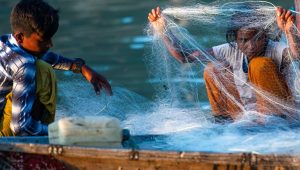
Streams from the hills of Meghalaya flow into Piyain and Shari-Goyain rivers, sustaining a host of marine life. The local Khasi community also populates the surrounding hills and relies on the rivers for their livelihood.

In response to the throngs of domestic and international tourists, there has been some growth in facilities catering to tourists, such as shops, seating along the riverbanks, and an eco-friendly bathroom said to be in the works.
However, these facilities appear to be poorly maintained with inconsistent enforcement of rules.




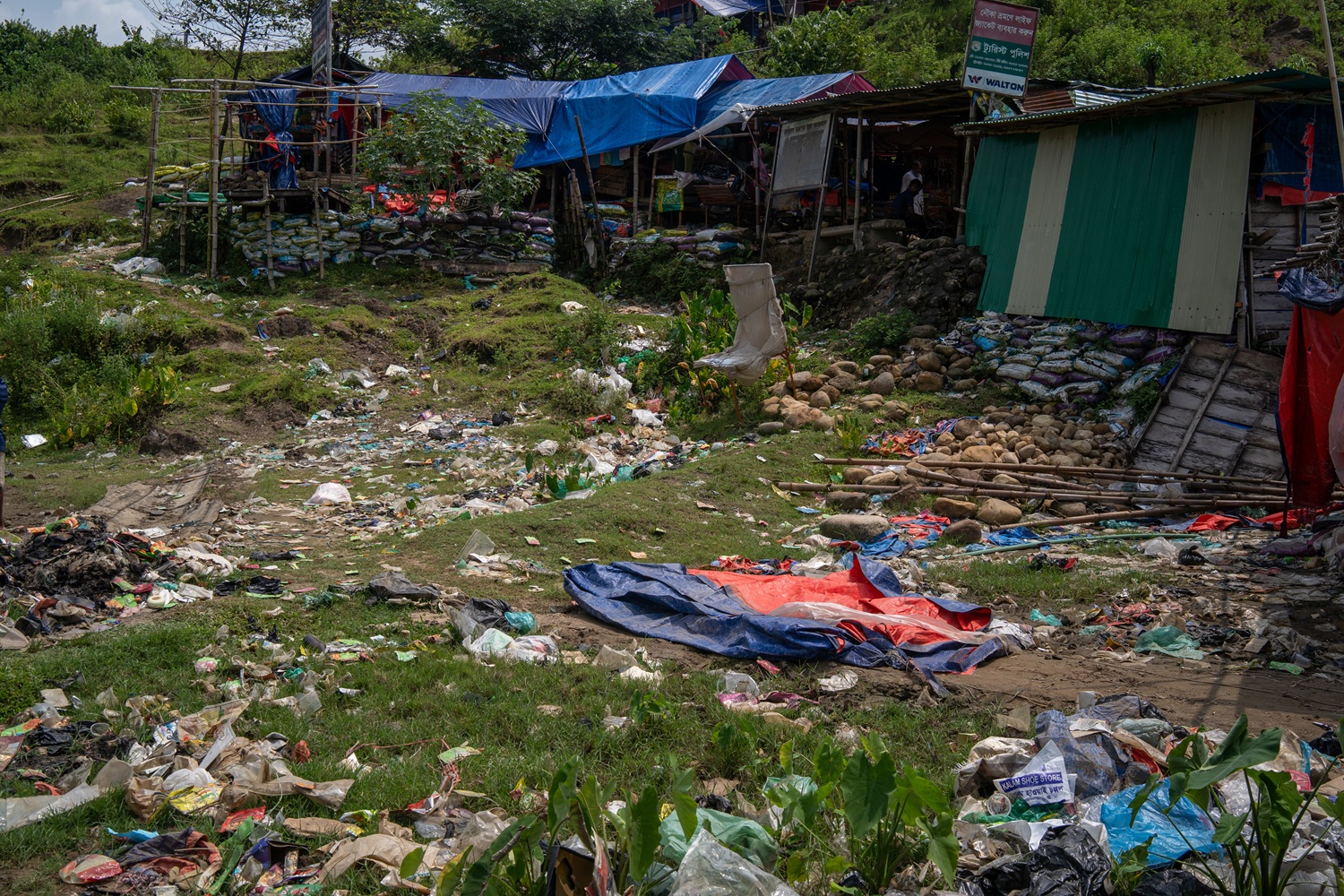
For instance, Centrepiece, an independent news site, reported that shops openly display and sell illegally imported goods from India, but tourists who have purchased these goods are stopped by the police instead for checks and seizures.
Officially, trade licences are issued by the Local Union Parishad, while the Upazila Administration is responsible for enforcing regulations against illegal trade and unauthorised business set-ups.
Parts of the Jaflong-Dawki riverbank are also designated as an Ecologically Critical Area (ECA), meaning that certain commercial operations like stone-crushing mills and shops not observing ECA-protection rules are under the jurisdiction of the Department of Environment.
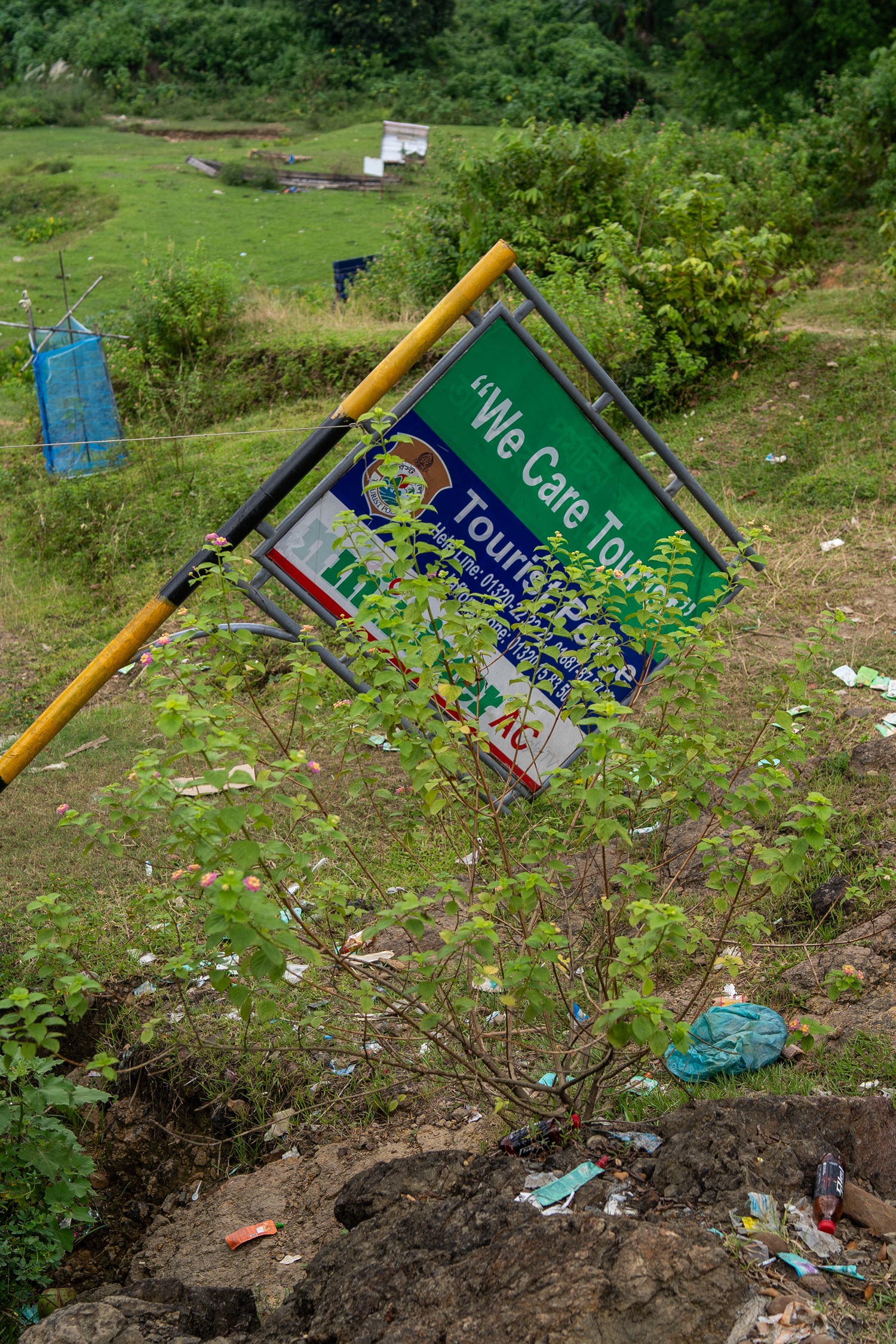
However, such fragmentation of authority may create loopholes that shop owners can exploit for monetary gain at the expense of the environment.
Sweeping one’s gaze across Jaflong’s beach, heaps of waste can be seen peppered across the riverbanks and the once-crystal-clear waters.
On closer look, much of it seems to be made up of Indian goods likely imported illegally across the border with Bangladesh. There are also traces of everyday product waste such as children’s diapers, shoes, and juice cups.
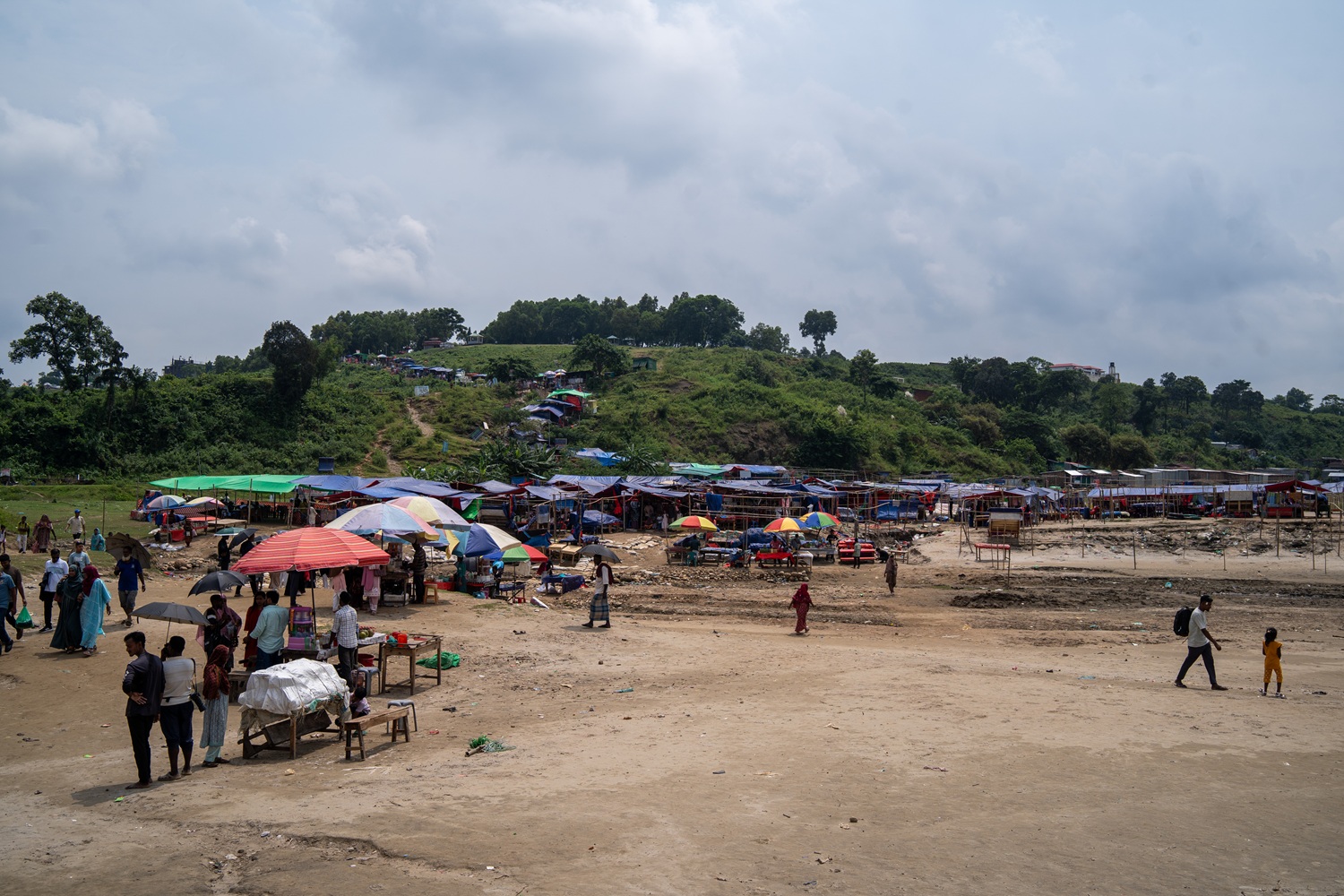
Jaflong’s ecological balance is thus coming under increasing pressure from rampant waste disposal by both shops and tourists, as well as lax enforcement by relevant authorities.
If timely action is not taken to tackle the sources of environmental threats, the rich biodiversity of Jaflong could be irreversibly eroded at a much faster pace than what researchers predicted back in 2004.