


As erratic monsoon storms lash South and Southeast Asia, a fresh wave of deluge and destruction has swept across Nepal, India, and Thailand over the past week, laying bare the growing fragility of the region’s climate-vulnerable landscapes.
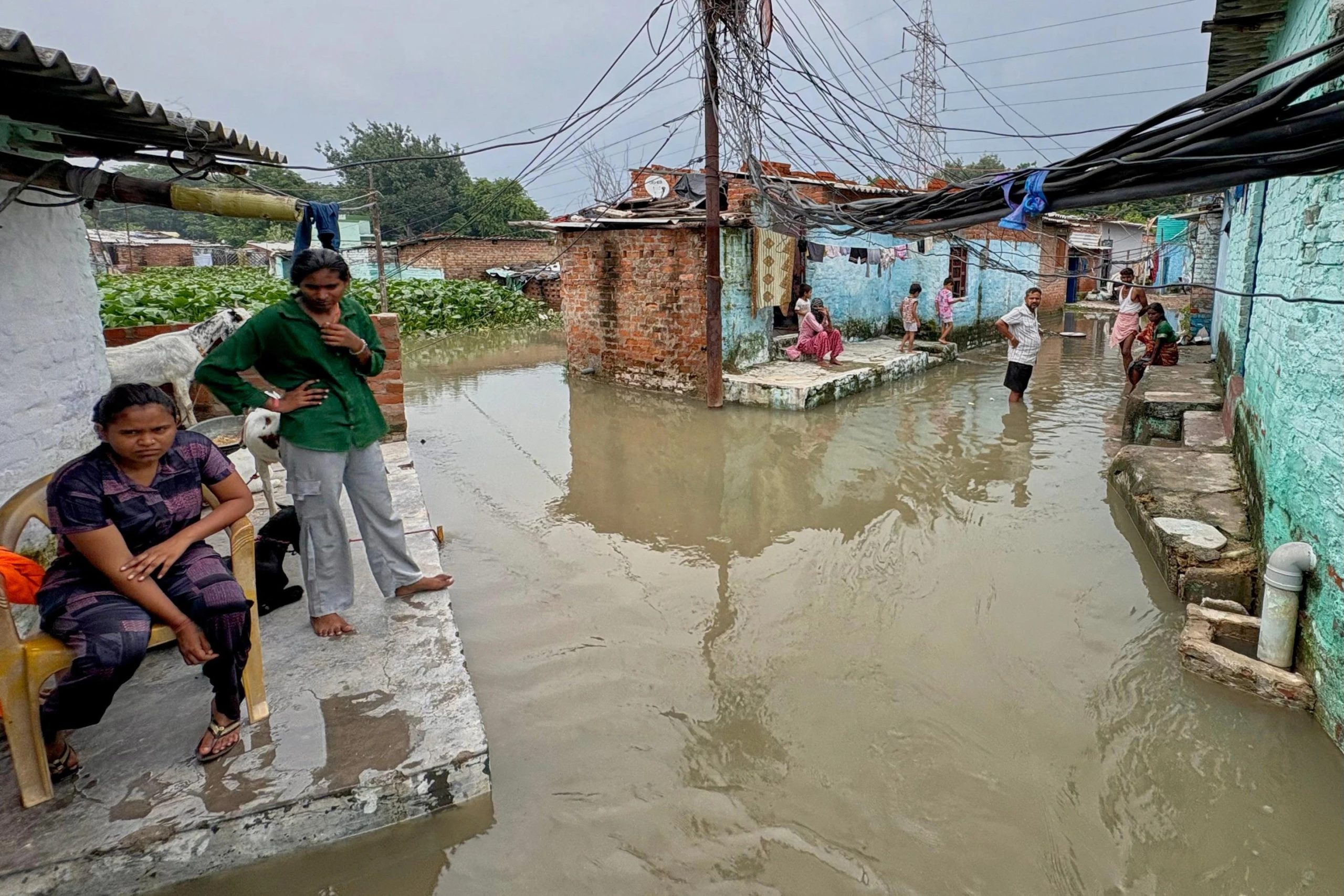
In India’s northern state of Uttar Pradesh, relentless downpours recorded 66.5 mm of rainfall – 775 per cent above normal – leaving at least 81 people dead and damaging thousands of homes.
Upstream in Nepal, extreme rainfall and landslides triggered severe flooding across mountain districts.

Farther east, the crisis crossed regional borders into Thailand, where an active low-pressure system inundated central and eastern regions.
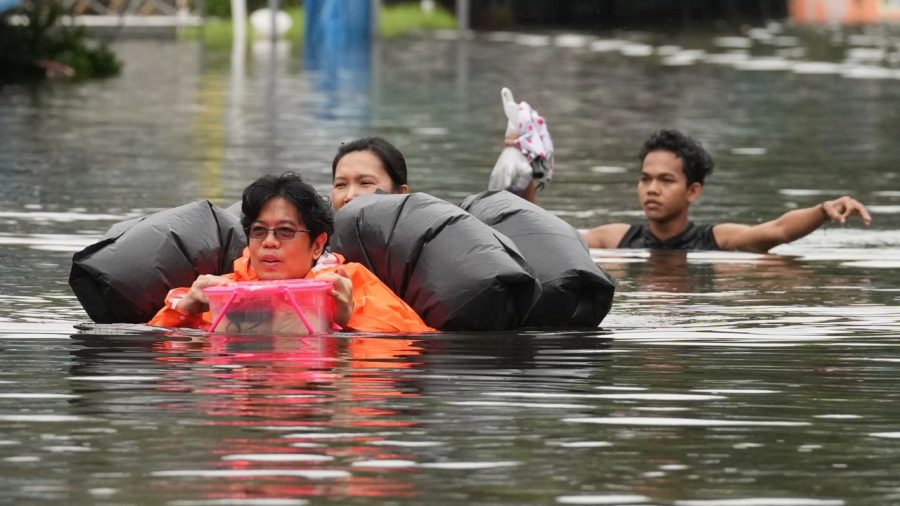
Local authorities declared all 50 districts of Bangkok a disaster zone after the capital endured 32cm of rain in just three days, nearly a full month’s worth of precipitation.
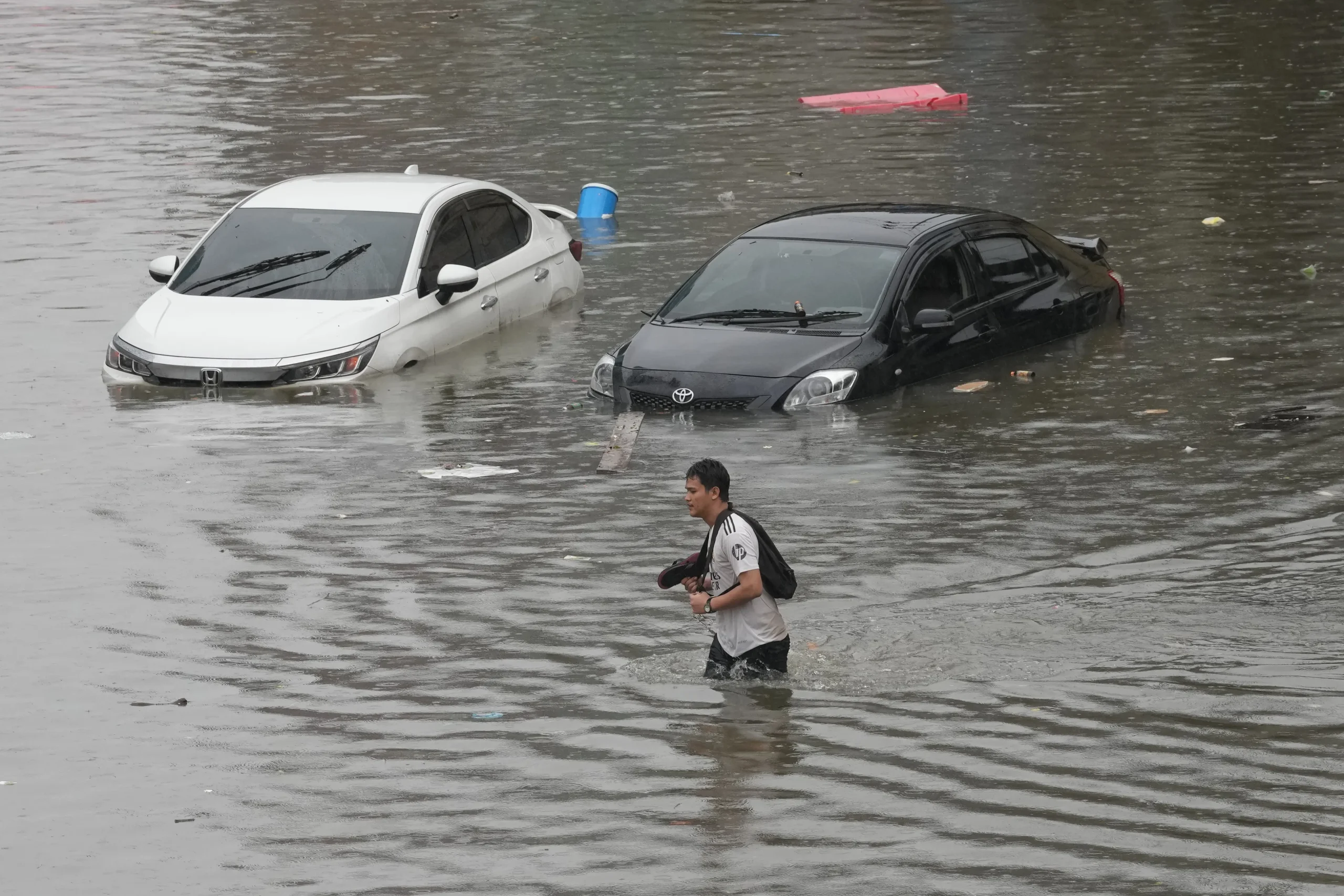




Floodwaters submerged major thoroughfares, forced the closure of over 400 city-run schools, and prompted the government to declare special public holidays.
Nationwide, Thai disaster officials reported 23 deaths and over 2.6 million people affected across 29 provinces and the capital, with economic damage estimated at 12.3 billion baht ($320 million).
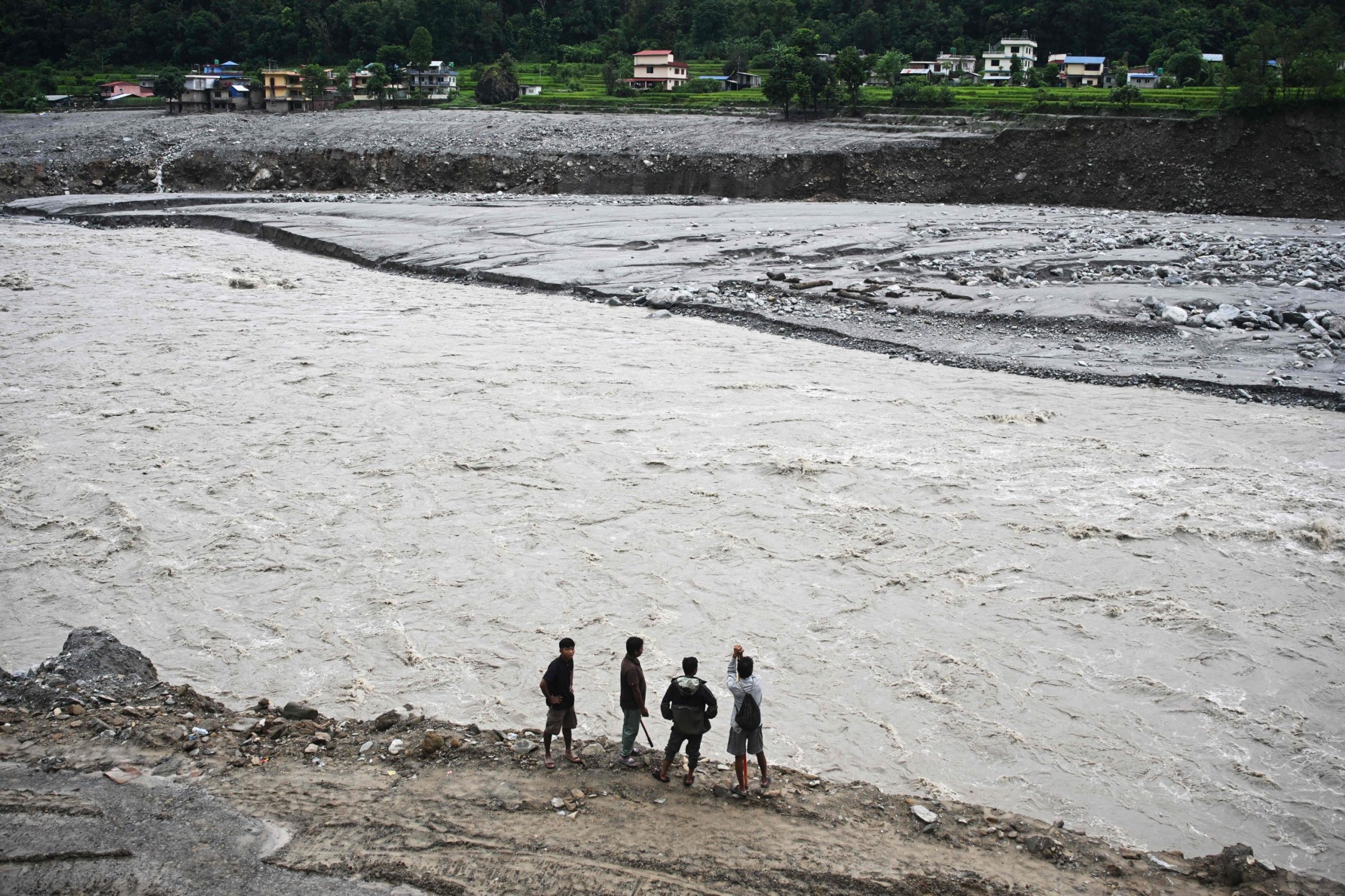
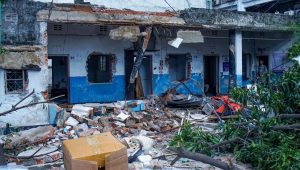
The impacts have extended beyond immediate flooding. Transport networks have been disrupted, homes and public infrastructure damaged, and thousands of families forced to cope with the loss of livelihoods and access to essential services.
In mountainous areas, landslides add another layer of danger, particularly where roads and settlements are built along unstable slopes.
From Himalayan slopes to the Chao Phraya basin, the compound climate shock underscores the urgent need for transboundary flood management and resilient urban planning as extreme weather continues to batter South and Southeast Asia.
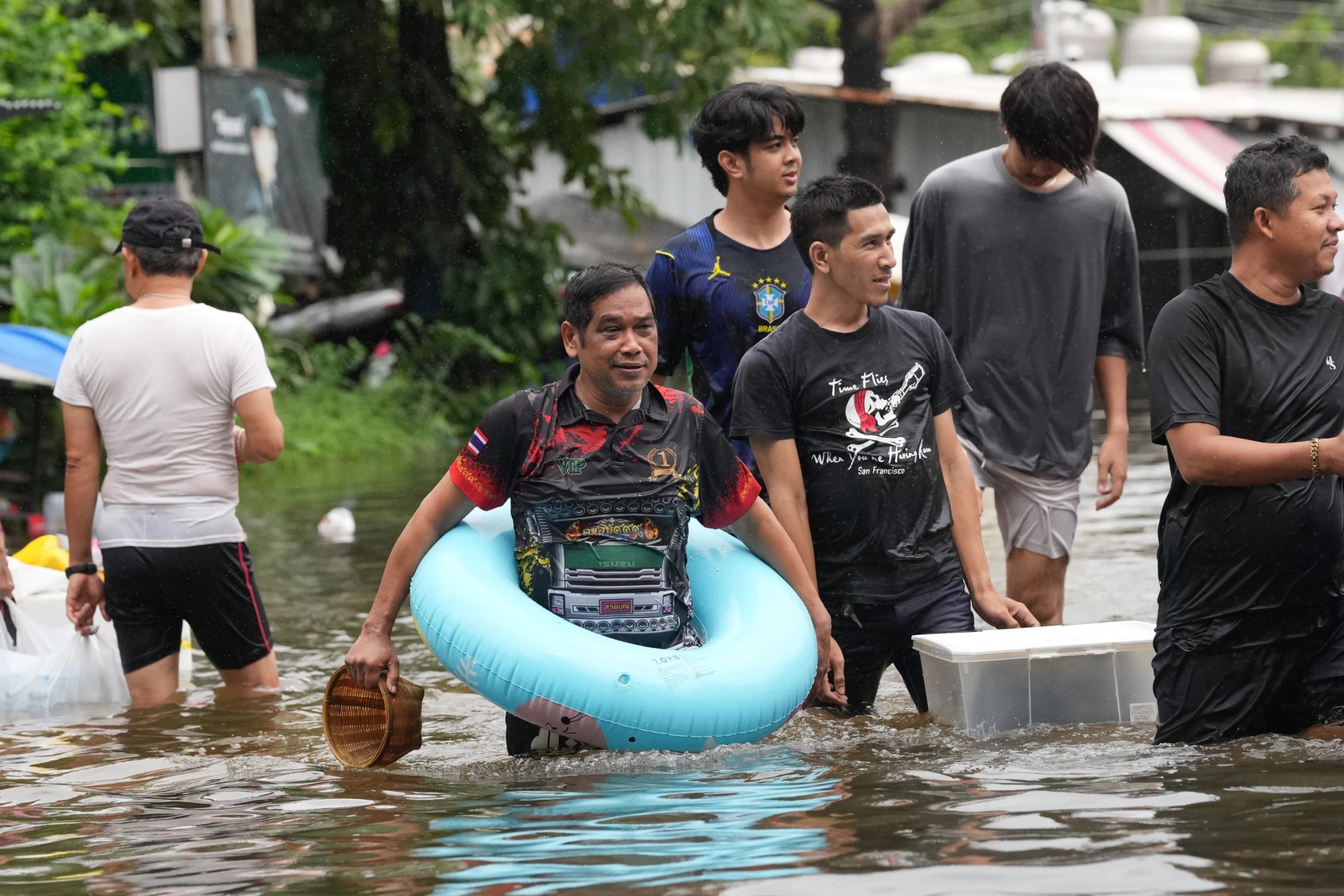
For countries that share river systems and face the same shifting monsoon patterns, the latest floods also remind us that disasters rarely stop at national borders.
Early-warning systems, coordinated water management and stronger infrastructure could become increasingly important as communities face more frequent and intense weather extremes.