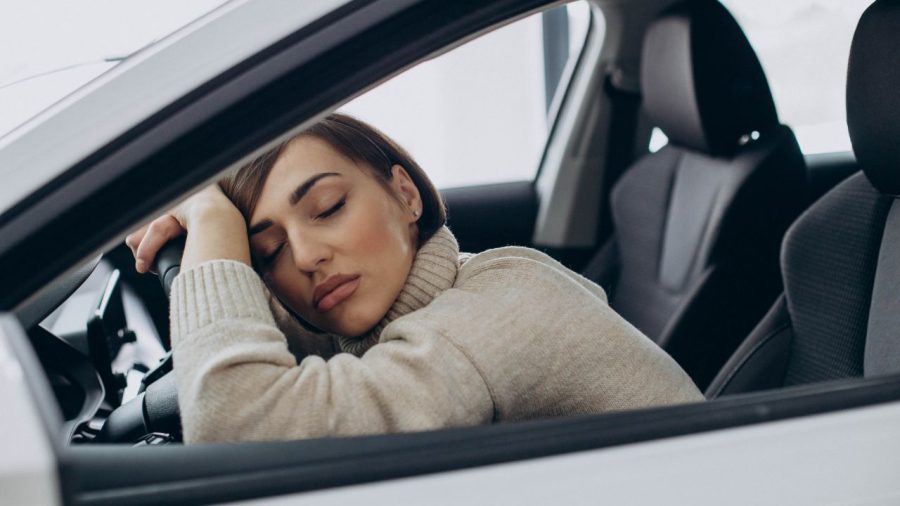



Sleeping in a car can pose serious risks, including carbon monoxide poisoning, heatstroke and hypothermia. Poor ventilation in enclosed vehicles can allow dangerous gases to accumulate or trap extreme temperatures, turning a temporary rest into a potentially fatal situation.
Authorities worldwide report multiple cases each year of drivers or passengers dying after falling asleep in parked vehicles, reports NDTV.
Carbon monoxide poisoning is among the primary dangers. Exhaust fumes from a running engine can enter a vehicle through gaps or faulty seals, even when windows are partially open.

The colourless and odourless gas binds to haemoglobin in the blood, preventing oxygen from being transported and potentially causing unconsciousness or death within minutes.
Crash and extreme weather risks
In the United States, the National Highway Traffic Safety Administration links drowsy driving to thousands of crashes each year, some involving vehicles left idling while occupants slept.




Indian roads face similar risks, with fatigue contributing to 19 per cent of rear-end collisions, according to transport studies.
Extreme weather can further increase the dangers. During summer, temperatures inside cars can reach 50 degrees Celsius or higher within 30 minutes, even with the windows up, potentially causing severe heatstroke.
In winter, temperatures inside vehicles can fall below freezing, increasing the risk of hypothermia. Medical conditions such as obstructive sleep apnoea can further worsen the risks.
Highway dangers
Fatigue often leads drivers to make unsafe stops along highways. Poorly lit road shoulders can leave sleeping occupants vulnerable to collisions involving vehicles travelling at high speeds.
Drowsy drivers may also have impaired judgement, increasing the likelihood of choosing resting places dangerously close to active traffic.