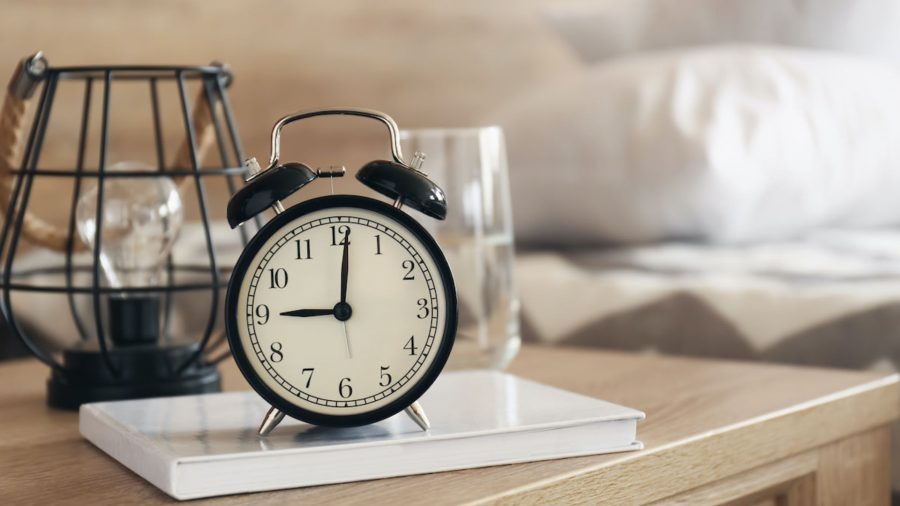

For many people, the first sound of the morning is not birdsong or traffic. It is the sharp buzz of an alarm, followed by a sleepy hand reaching for the snooze button. But what if the body could learn to wake up on its own?
It turns out that our brains already have an internal timekeeper. The circadian rhythm helps regulate sleep, wakefulness, body temperature and the release of hormones. When our daily routine is consistent, this internal clock can begin anticipating when it is time to sleep and when it is time to wake.
The trick, sleep researchers say, is consistency. Going to bed and waking up at roughly the same time each day gives the body a predictable rhythm. Most adults need around seven to nine hours of sleep, although individual needs vary. Trying to wake naturally while routinely cutting sleep short is unlikely to work.

Light is another crucial part of the equation. Morning sunlight helps reset the body clock and signals that the day has begun. At night, dimmer light helps the body prepare for sleep by encouraging the production of melatonin.
That makes the hours before bed important, too. A predictable wind-down routine, reduced screen exposure and a cooler, darker bedroom can help the brain recognise that it is time to switch off.




Smartphones can be particularly disruptive. Their light may interfere with the body’s nighttime signals, but the bigger problem may simply be the endless temptation to scroll. A few minutes online can easily become an hour, pushing bedtime later and making the next morning harder.
Food, caffeine and alcohol can also influence sleep. Keeping meals regular, limiting caffeine to earlier in the day and avoiding alcohol close to bedtime may help maintain a steadier rhythm.
None of this means alarms are suddenly unnecessary. Work, school and early flights do not always respect our natural schedules. But for people who have enough time to sleep, waking naturally can be a useful sign that their body clock and sleep routine are working together.
The goal, then, may not be to defeat the alarm clock. It may simply be to give the body a chance to do the job itself.