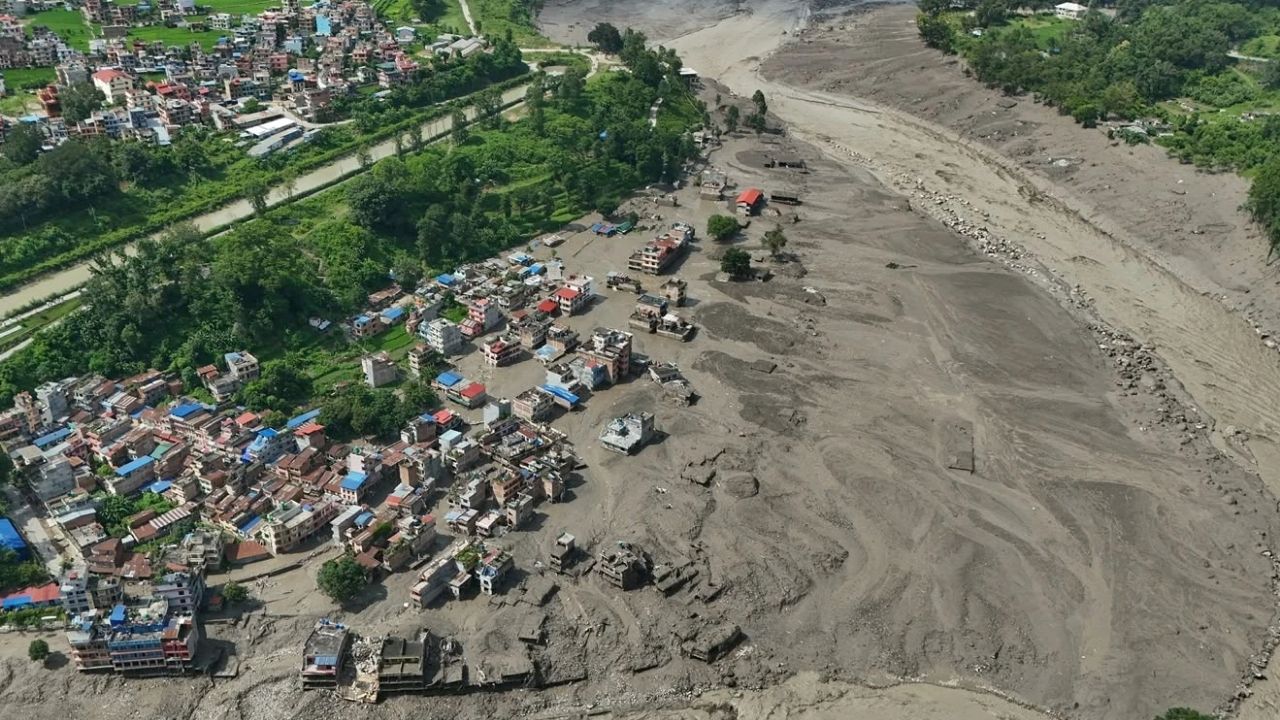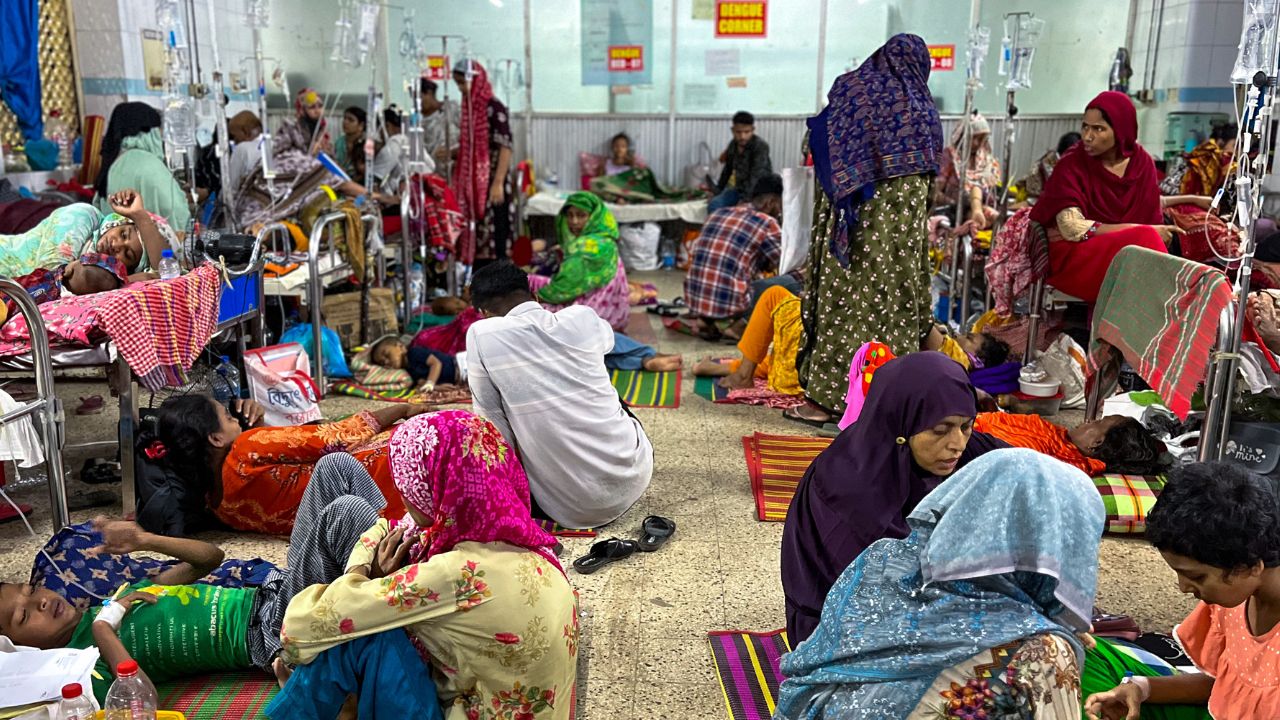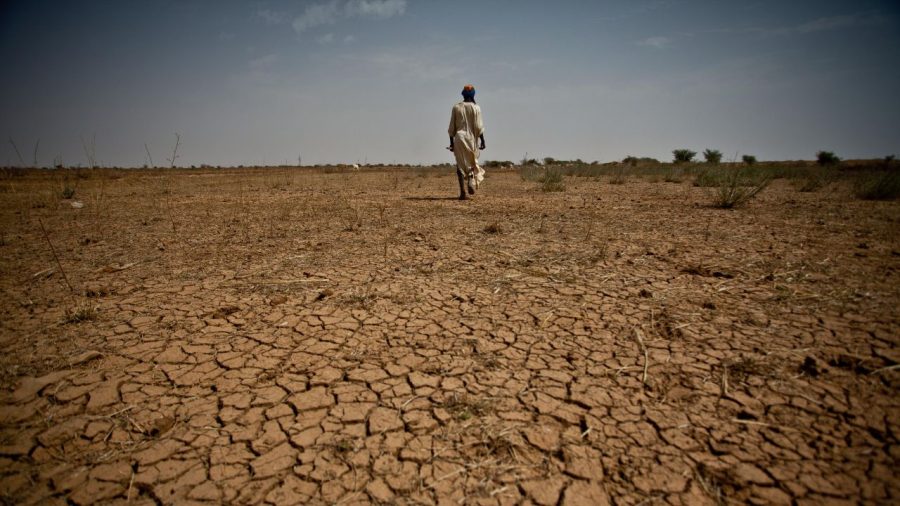

El Niño has always been a natural part of Earth’s climate system, but scientists are increasingly concerned that future El Niño events could become more destructive as they unfold in a warmer world.
While climate change does not create El Niño, it raises the baseline temperature of the oceans and atmosphere, allowing each event to unleash stronger heatwaves, heavier rainfall, longer droughts, and greater economic losses.
Recent research suggests that some El Niño events may already be significantly more intense than they were before the industrial era, with human-driven warming amplifying their impacts.
The consequences will not be evenly distributed. Countries across South and Southeast Asia, Africa, Australia, and Latin America are likely to experience increasingly erratic weather.
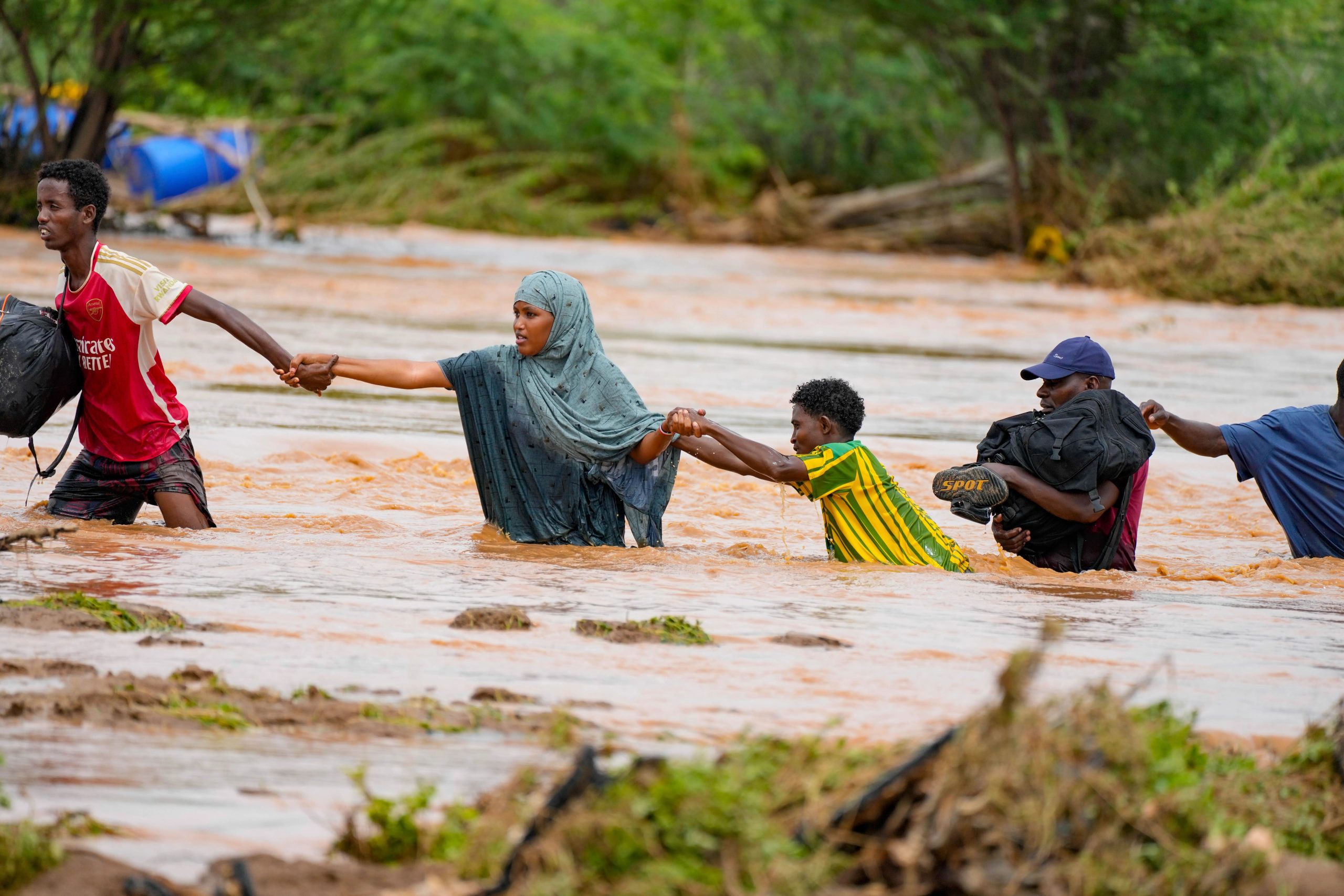

Indonesia and Australia often endure severe droughts and devastating wildfires, while parts of South America face torrential rainfall and flooding.
India’s summer monsoon can weaken during strong El Niño years, threatening agricultural production and water security for hundreds of millions of people.
As global temperatures continue to rise, these disruptions are expected to become more severe, increasing pressure on food systems, energy supplies, and public health worldwide.



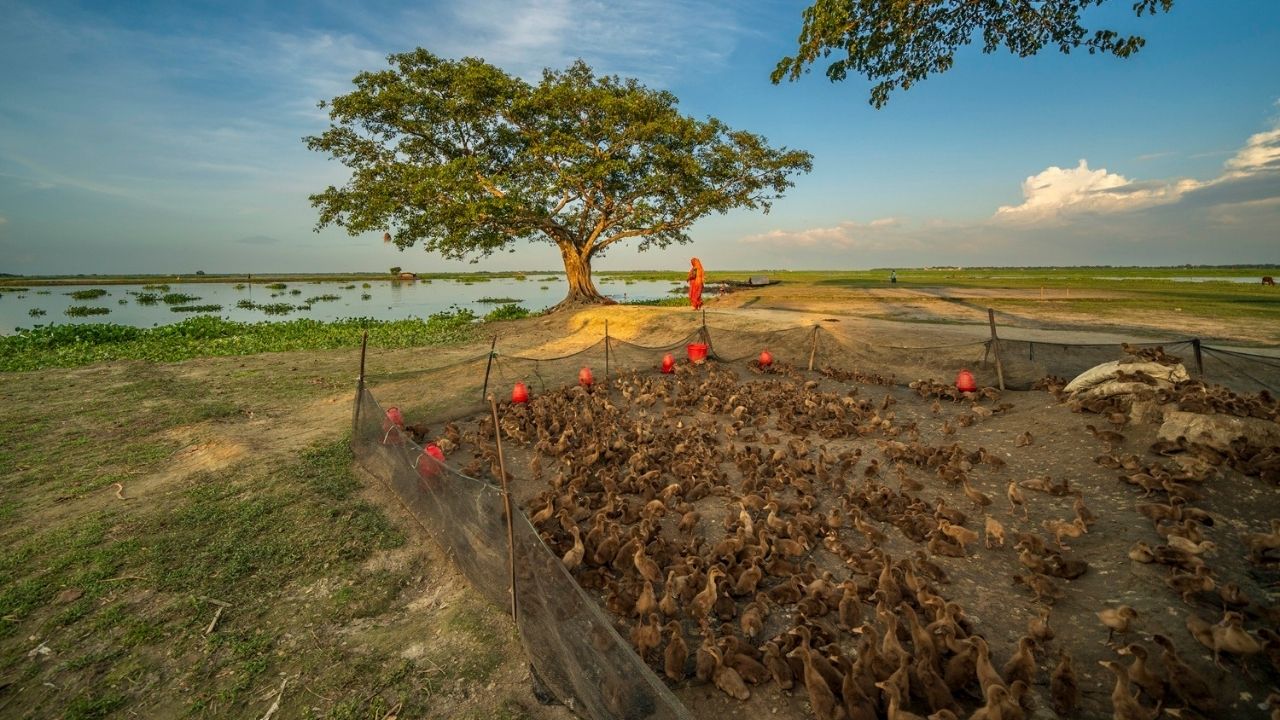
For Bangladesh, the future presents a particularly complex challenge. Unlike many countries where El Niño mainly causes drought, its effects on Bangladesh vary depending on the type of El Niño and regional ocean conditions.
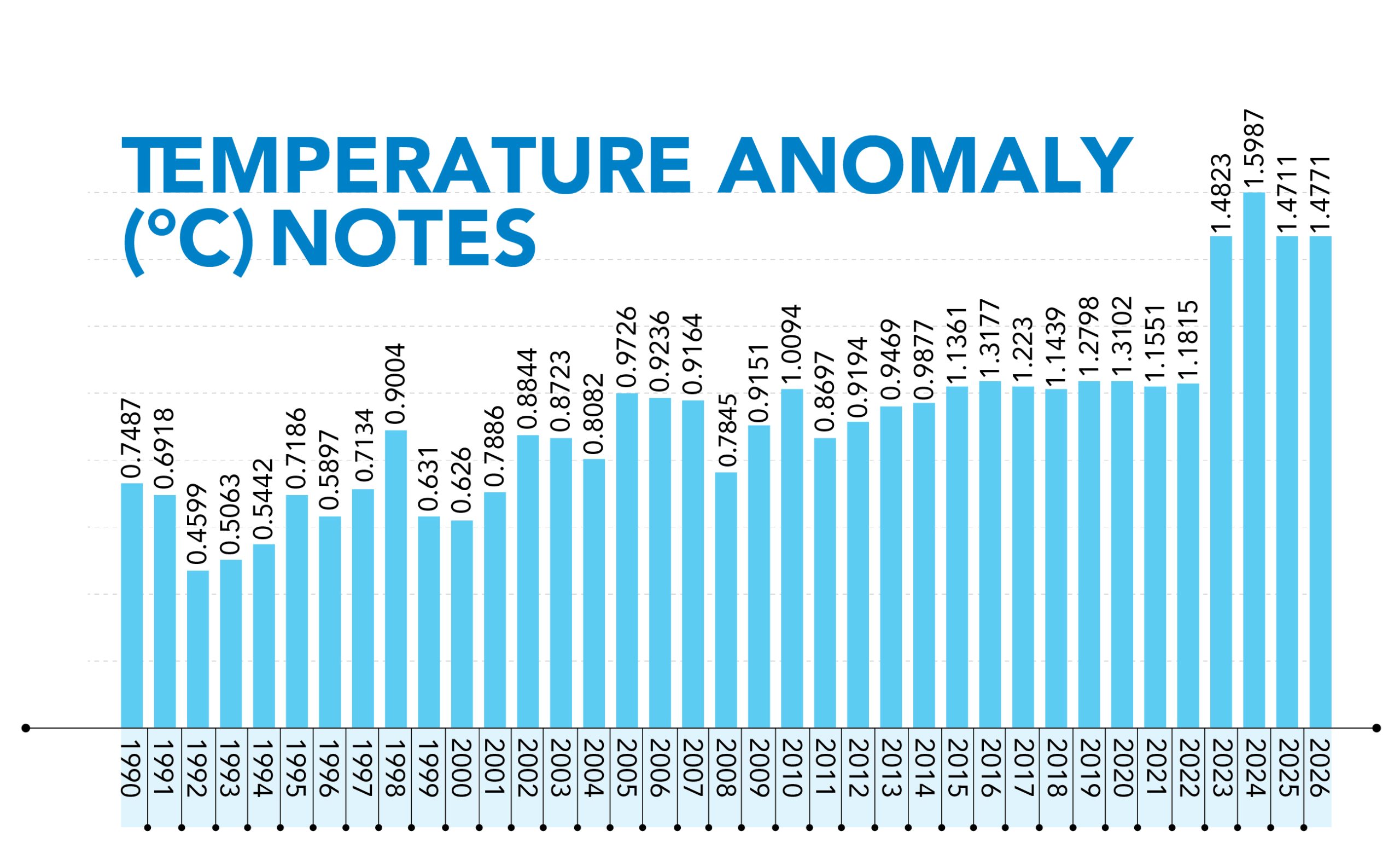
Some events have brought below-average rainfall and drought, while others have intensified flooding. What remains consistent, however, is that a warmer climate magnifies the consequences.
Higher temperatures increase the frequency of heatwaves, accelerate soil moisture loss, disrupt crop production, and place additional stress on already vulnerable communities.
Scientists warn that Bangladesh must prepare for both extremes – water scarcity and excessive rainfall – rather than assuming a single predictable outcome.
The economic implications extend far beyond agriculture. Stronger El Niño events can disrupt global supply chains, drive up food prices, and contribute to inflation, affecting both developed and developing economies.
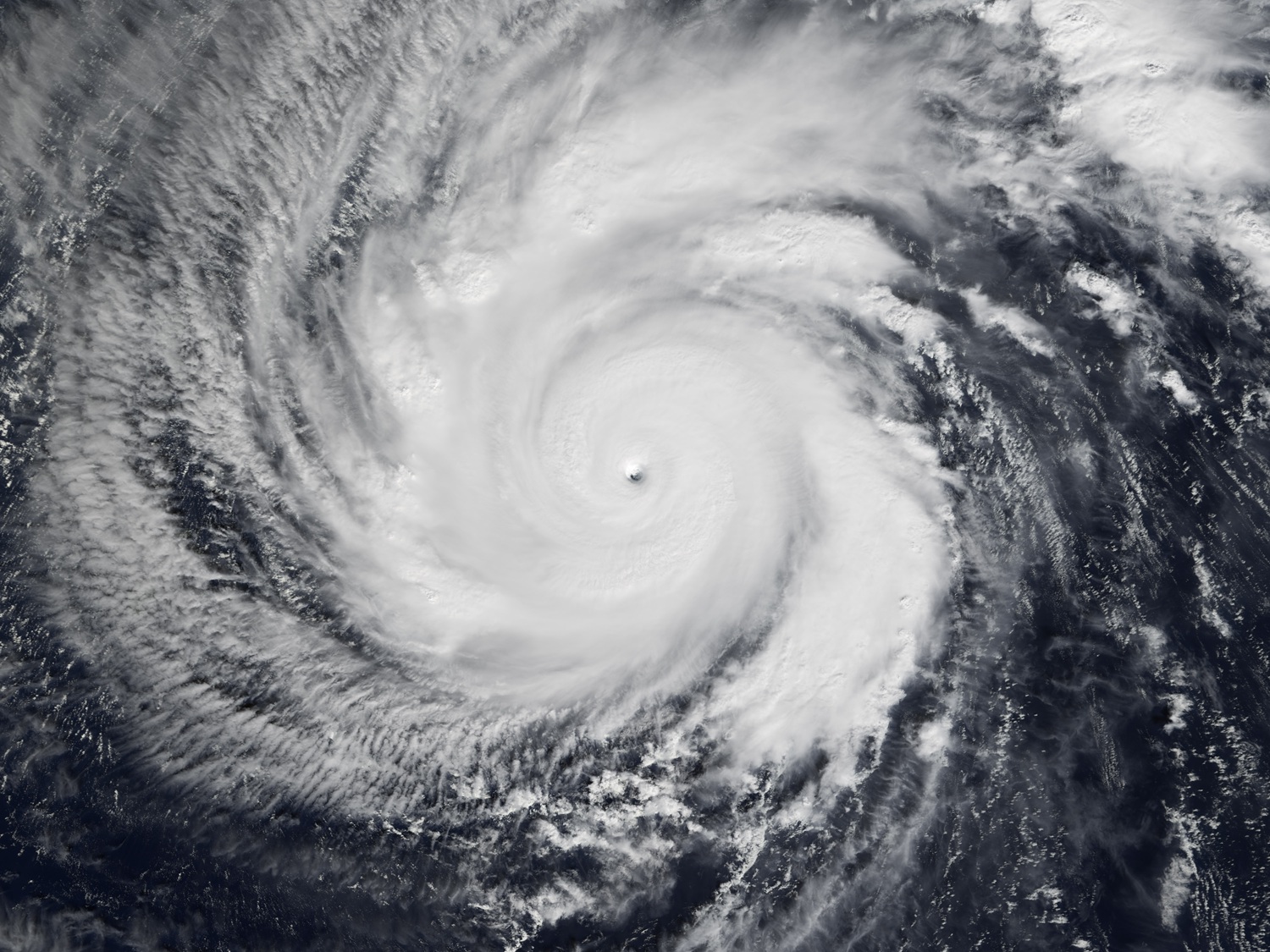
Financial institutions have warned that an exceptionally powerful El Niño could increase global food inflation while worsening energy and water shortages.
Although scientists continue to study exactly how climate change influences El Niño, there is broad agreement on one point: Future events will unfold in a much hotter world.
That means stronger heat, more extreme weather, and greater risks for countries such as Bangladesh.
Building climate resilience through improved forecasting, climate-smart agriculture, stronger infrastructure, and effective disaster preparedness will be essential to reducing the human and economic costs of the El Niño events of tomorrow.