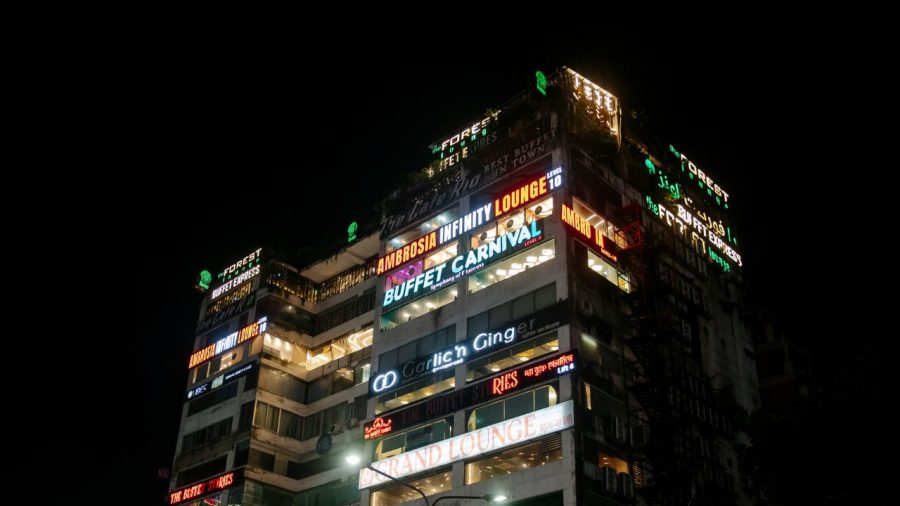



Every day, thousands of shoppers and diners crowd into Dhaka’s shopping malls and restaurant buildings, unaware that the spaces they rely on may be fire traps waiting to ignite. Expired fire extinguishers, non-functional fire hydrants, blocked emergency exits, and poorly maintained evacuation equipment raise serious concerns about public safety in the capital’s most frequented establishments.
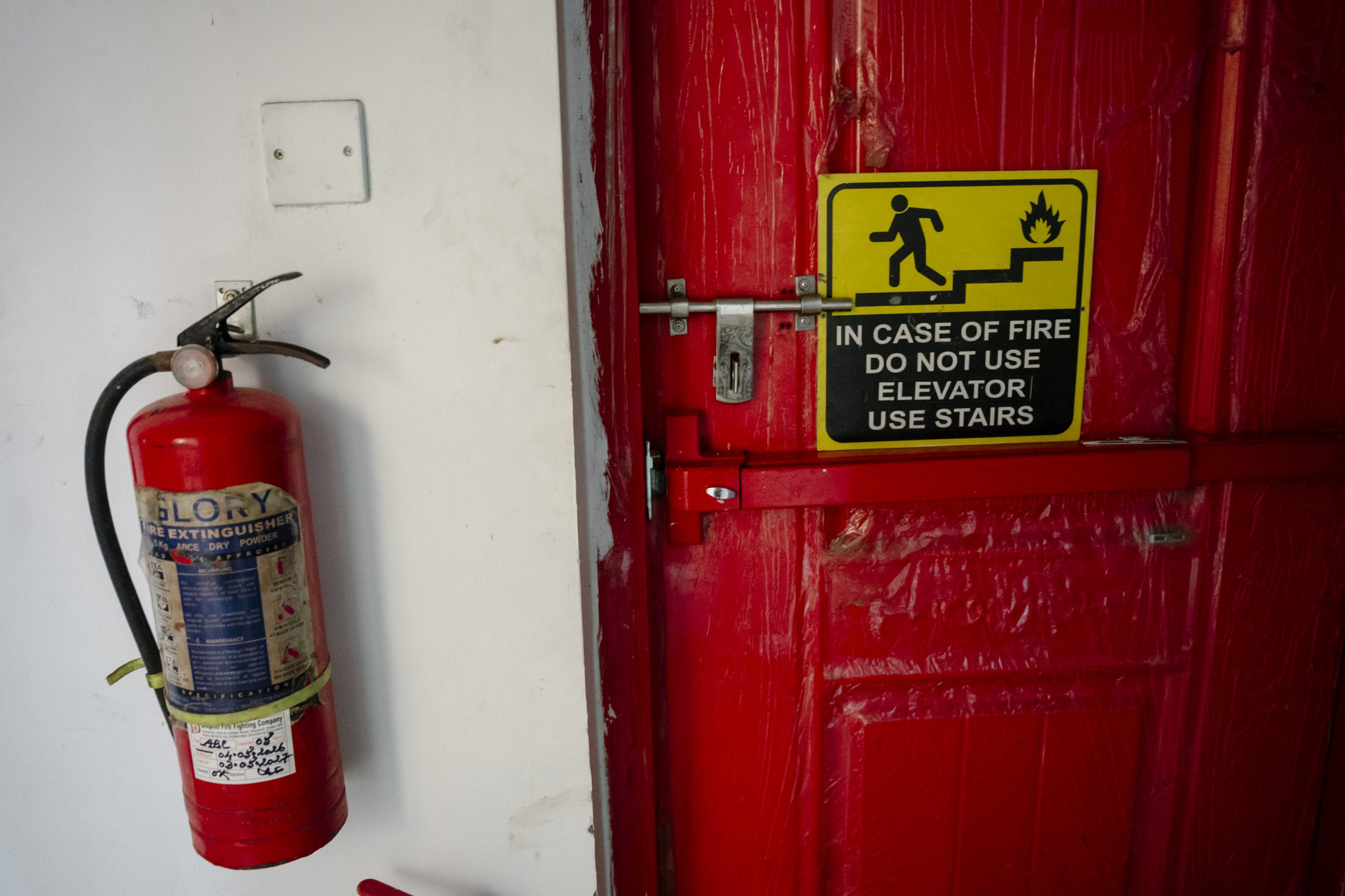
The gap between paperwork and reality is stark. Inspectors’ checklists rarely match the corroded equipment, obstructed evacuation routes, and unaware shoppers and diners overhead. This disconnect is not new; it echoes Bangladesh’s troubled history with fire safety, marked by repeated tragedies that have claimed hundreds of lives.
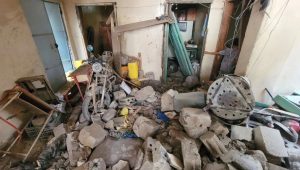
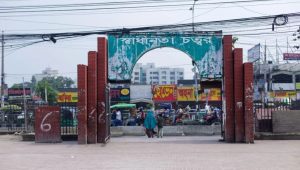
The deadliest reminder came on 20 February 2019, when a fire swept through the Chawkbazar area of Old Dhaka, killing at least 70 people. The building housed chemical warehouses, plastic goods, and inflammable materials, with no proper fire exits.

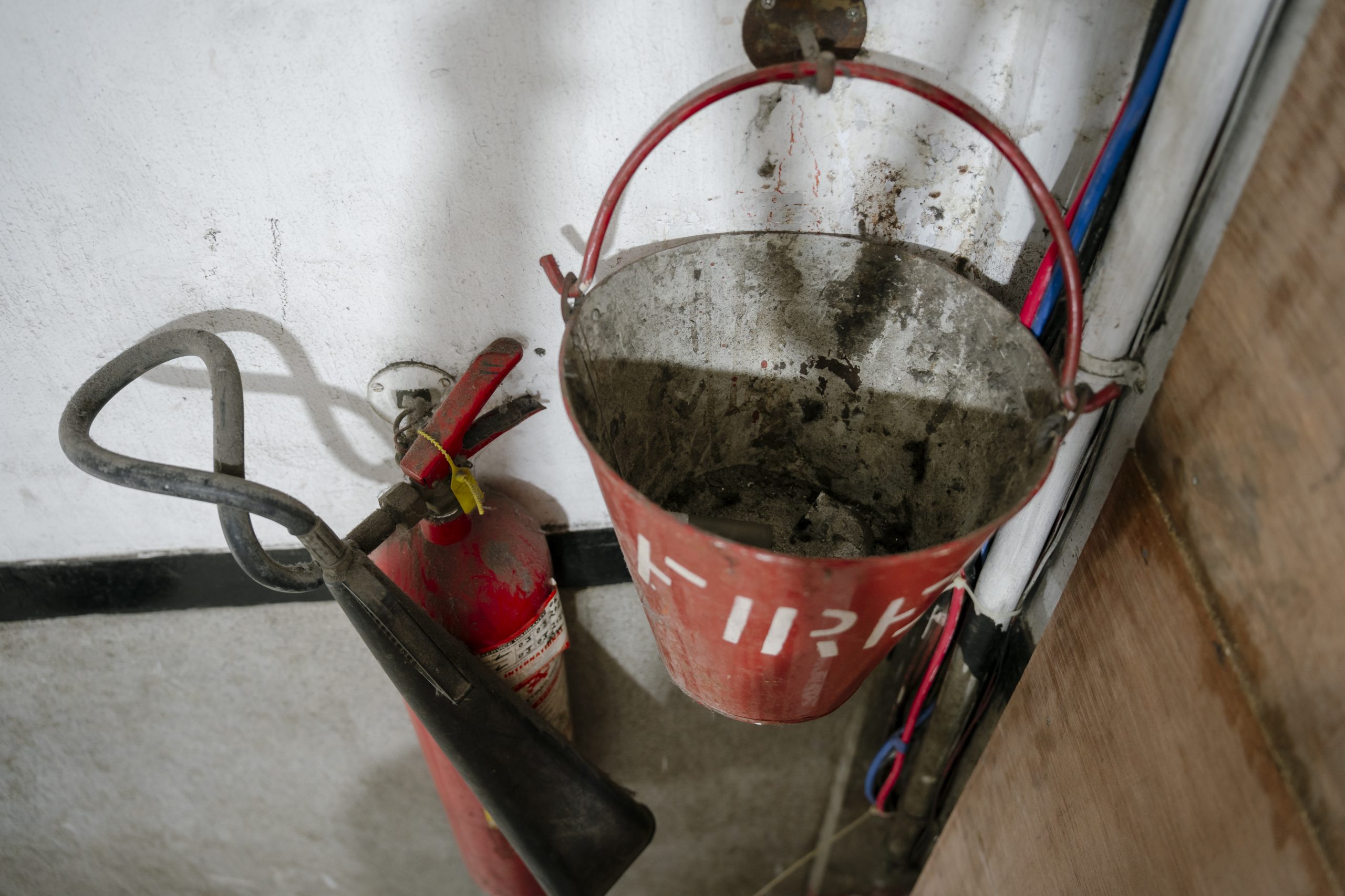
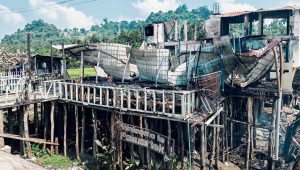
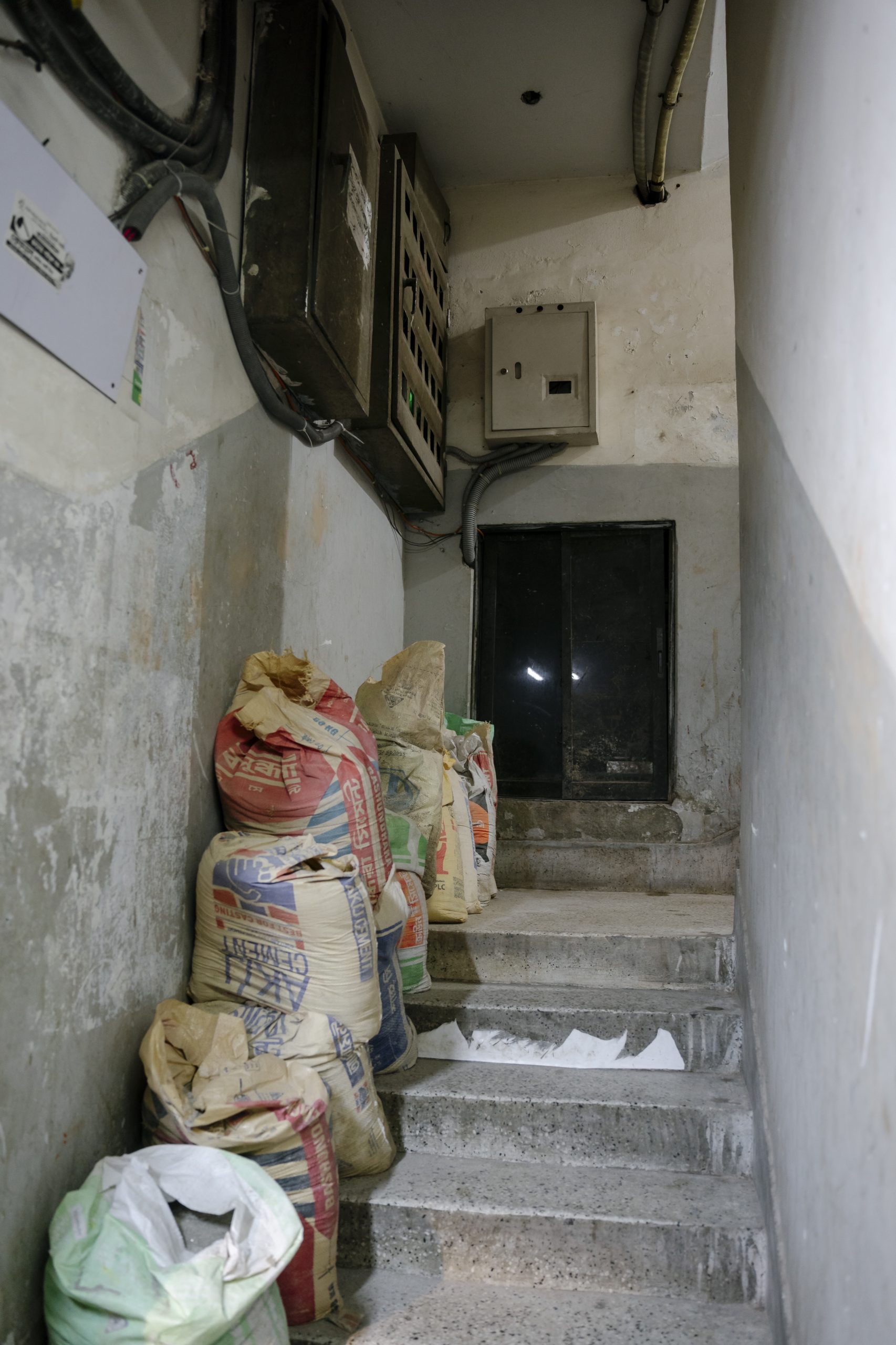
Three years later, on 8 March 2022, at least three people died in a fire at Dhaka’s BCB Shopping Complex. In 2023, fires in commercial buildings and shopping malls continued to expose systemic neglect, with authorities pointing to a familiar litany of failures: Unauthorised chemical storage, absent or outdated fire extinguishers, blocked stairwells, and a culture of complacency that treats fire drills as optional.


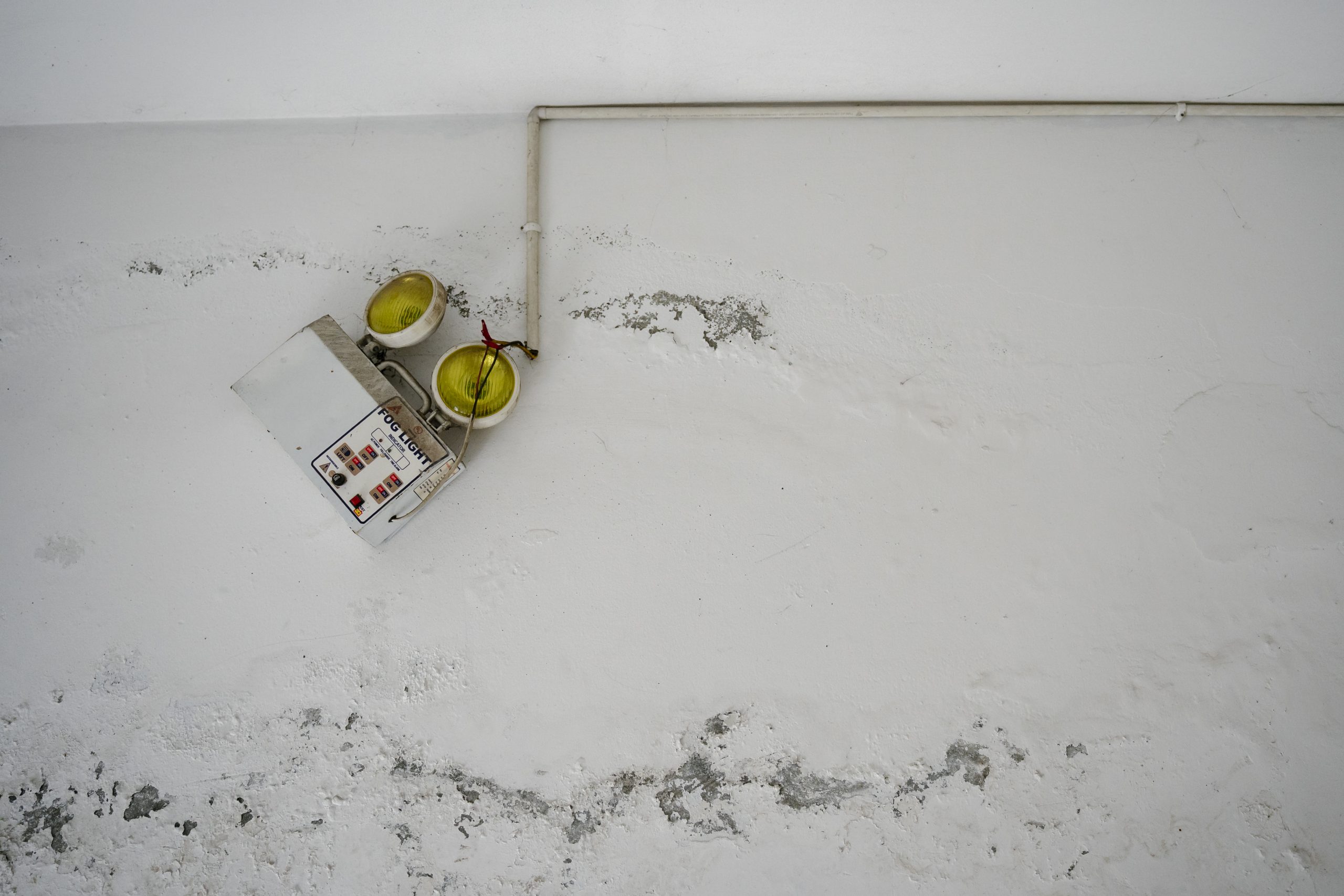
The government has introduced fire safety regulations, including mandatory fire extinguishers, adequate exits, and annual inspections. Yet enforcement remains weak, and the penalties for non-compliance rarely deter building owners who prioritise profit over safety.
The regulatory architecture exists on paper. In practice, compliance is often measured not by functioning equipment but by the ability to produce a certificate when inspectors arrive.
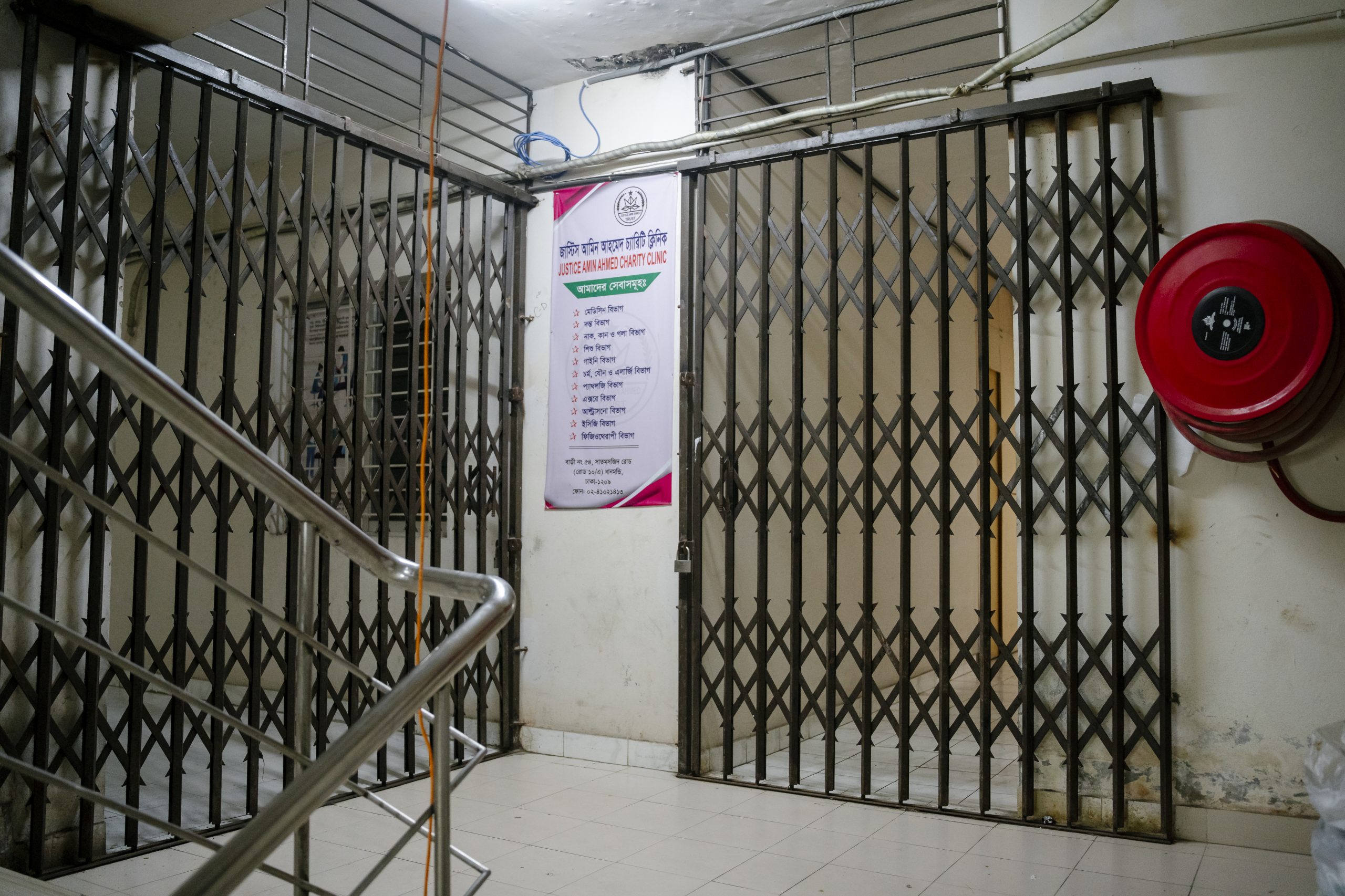
Fire safety is not expensive; it is an investment in life. But the culture of negligence and the absence of accountability continue to make these spaces potential death traps, exposing thousands of unsuspecting citizens to a risk they cannot see. Unless inspections are made more rigorous, penalties are made more severe, and public awareness is made a priority, Dhaka’s shopping malls will remain a disaster waiting to happen.