Today marks nine years since a campaign of violence and persecution in Myanmar’s Rakhine State, called a “textbook example of genocide” by the United Nations, forced around 750,000 Rohingya to seek safety in Bangladesh.
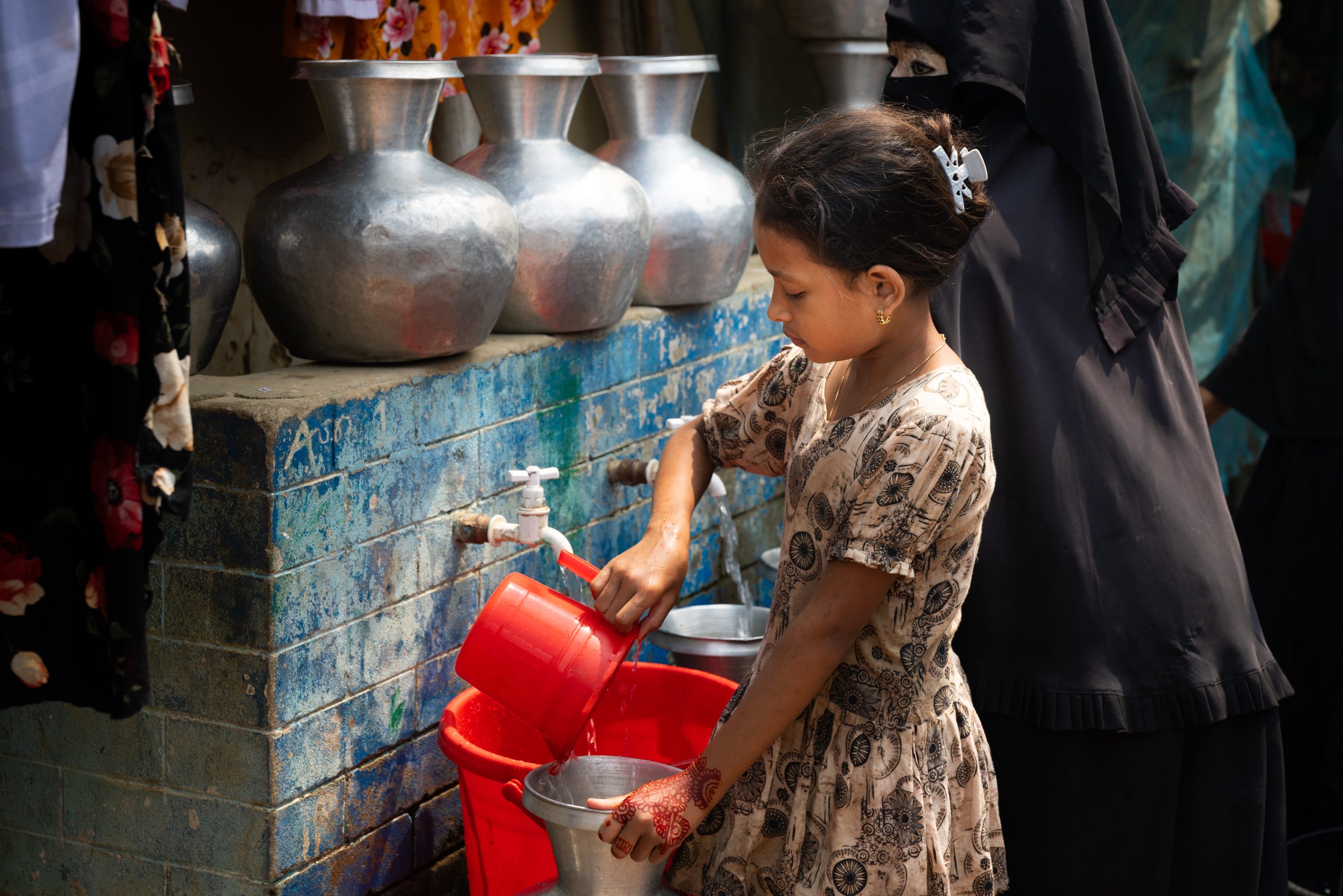
Joining refugees who fled similar waves of violence in the 1990s, the refugees have languished in one of the largest and most densely populated refugee camps ever since. Many children have grown up in the camps without ever seeing the place their parents still call home.
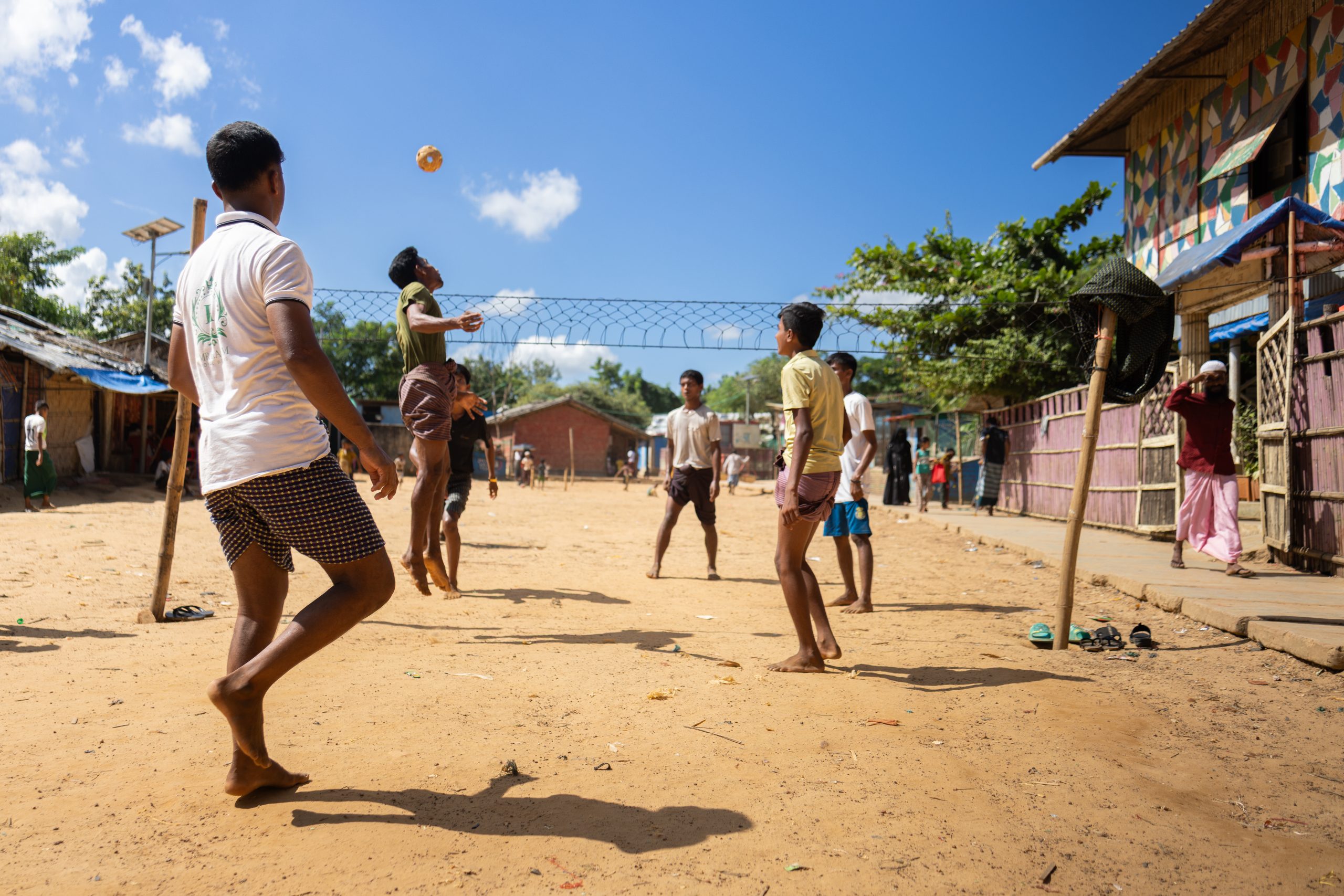
The story continues to unfold. In the past two years, more than 150,000 people have arrived, fleeing renewed violence and persecution in Myanmar. More than 1.2 million refugees now live in Bangladesh, most in the Cox’s Bazar camps, with about 34,000 on Bhasan Char.

Life in the camps is a daily struggle against heat, overcrowding, monsoon floods, landslides and fires. With no new shelter space allocated for recent arrivals, many families have had little choice but to build makeshift homes in already crowded and high-risk areas. Recent flooding and mudslides after heavy rains cost the lives of 16 people.




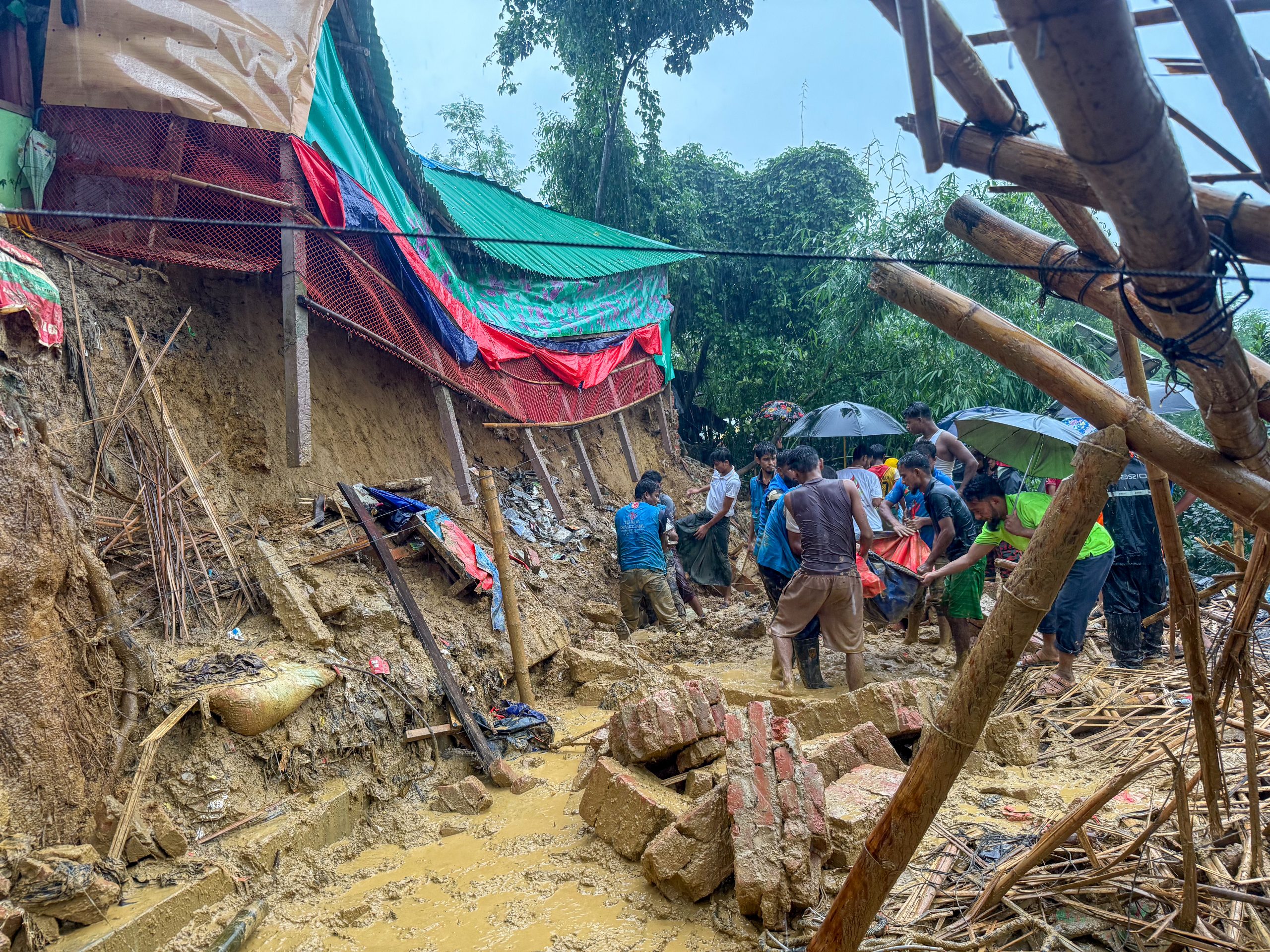
As humanitarian resources shrink, partners are being forced to make difficult choices and scale back programmes even as needs continue to grow. Yet within the camps, Rohingya themselves are increasingly stepping forward. They support neighbours, help coordinate community responses and find ways to protect one another, becoming the frontliners of their own survival.
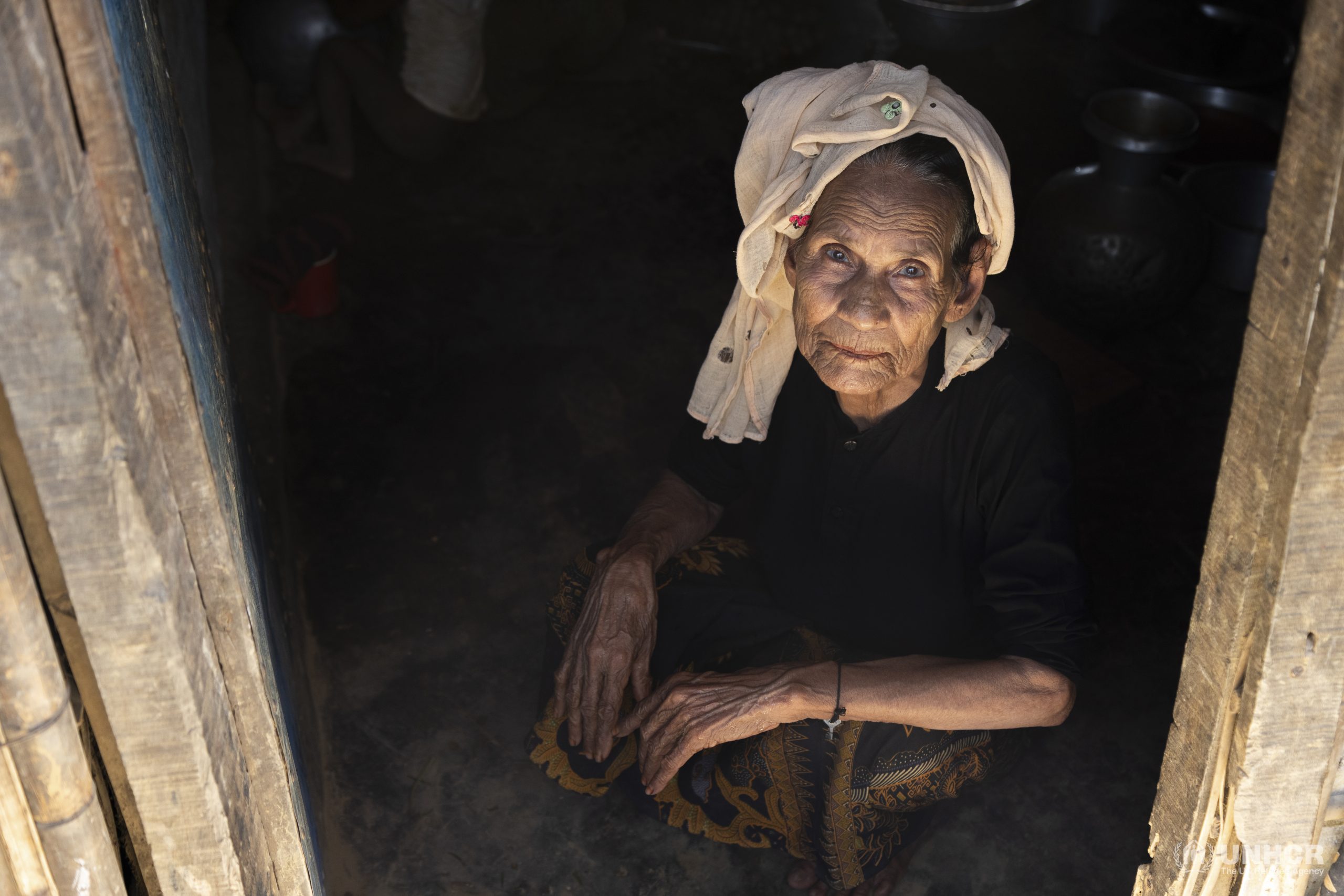
With over than half the Rohingya population under the age of 18, a generation is growing up in uncertainty. Opportunities for higher education, livelihoods and skills development are extremely limited in the camps, and especially young refugees say they feel stuck: unable to safely return home as violence continues to flare in Myanmar, and unable to see a future for themselves in the refugee camps.
For many, home remains in Rakhine State. They want to return safely, and with their rights protected, which means freedom of movement, access to basic services like education and healthcare, and a pathway to citizenship documentation. An opportunity to live in dignity in their homeland. But ongoing conflict and instability mean the conditions for a sustainable return remain out of reach.

Nine years on, the Rohingya are not simply waiting to go home. They are waiting for a future. Until that future becomes possible, their education, skills, dignity and hope must not be lost.