




Once bustling with visitors, the wildlife conservation centre and zoo in Tilagarh, Sylhet, is now struggling due to neglect and mismanagement. Established in 2018 as Bangladesh’s third zoo, the facility was expected to become a popular destination for nature lovers, researchers, and tourists.
Instead, years of poor management, inadequate infrastructure, and insufficient animal care have left the zoo struggling to fulfil its intended purpose.
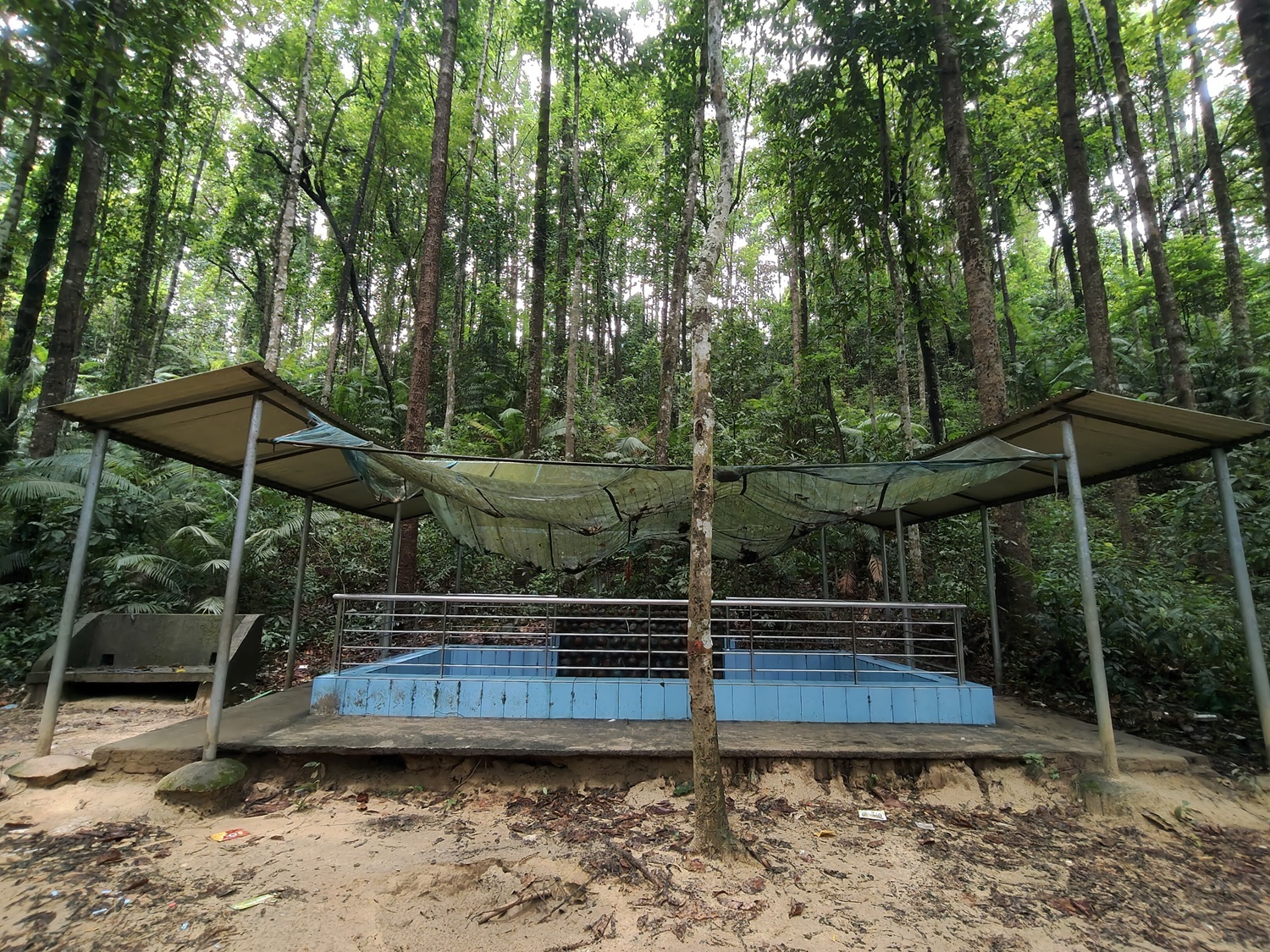
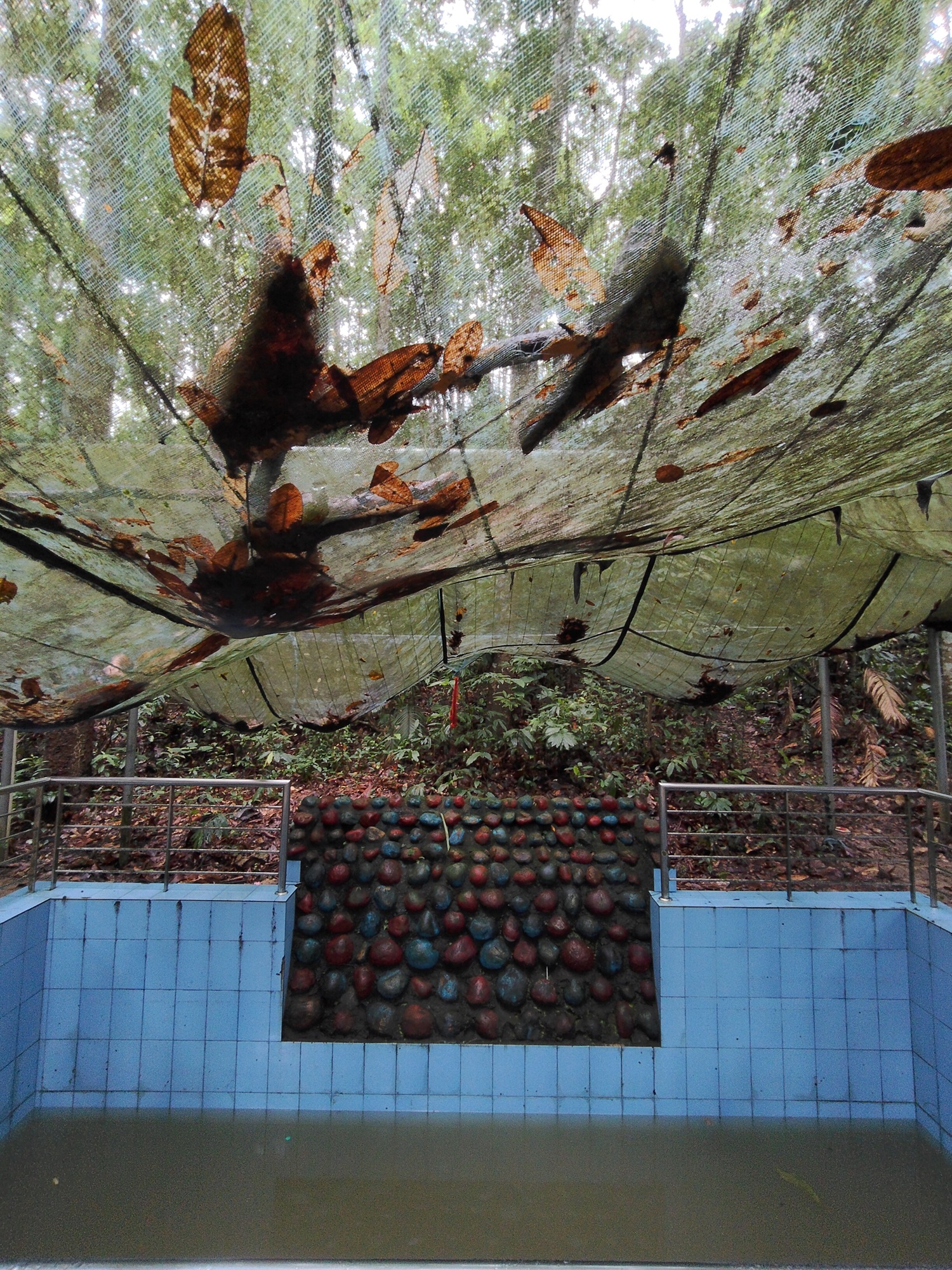
Many of the zoo’s enclosures tell a story of abandonment. Empty cages, damaged aviaries, and deteriorating facilities have become common sights. Two zebras have died; their enclosure now stands empty. Plans to bring in tigers have yet to materialise, but the cages built for them remain unused.

The zoo once had several peacocks; now only two remain. There are two macaws and three parrots, but the aviaries built for the birds are in poor condition, with cages and structures broken in places.
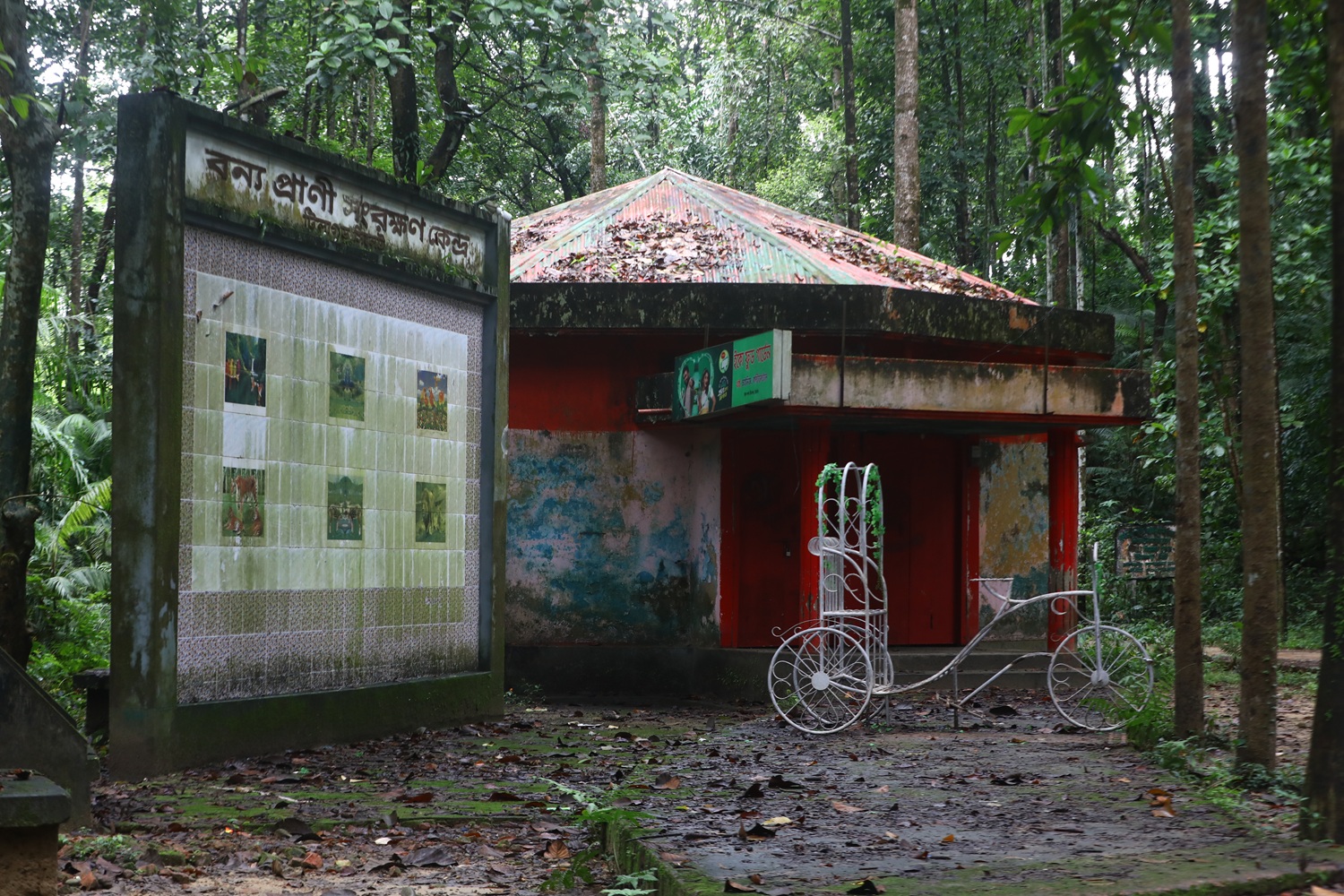
The neglect extends beyond animal enclosures. Visitor facilities have also been left to decay. The zoo’s canteen has been closed for nearly two years. There are also other limitations and a lack of proper care for the animals. As a result, the facility is gradually losing its appeal, and visitor numbers have declined.




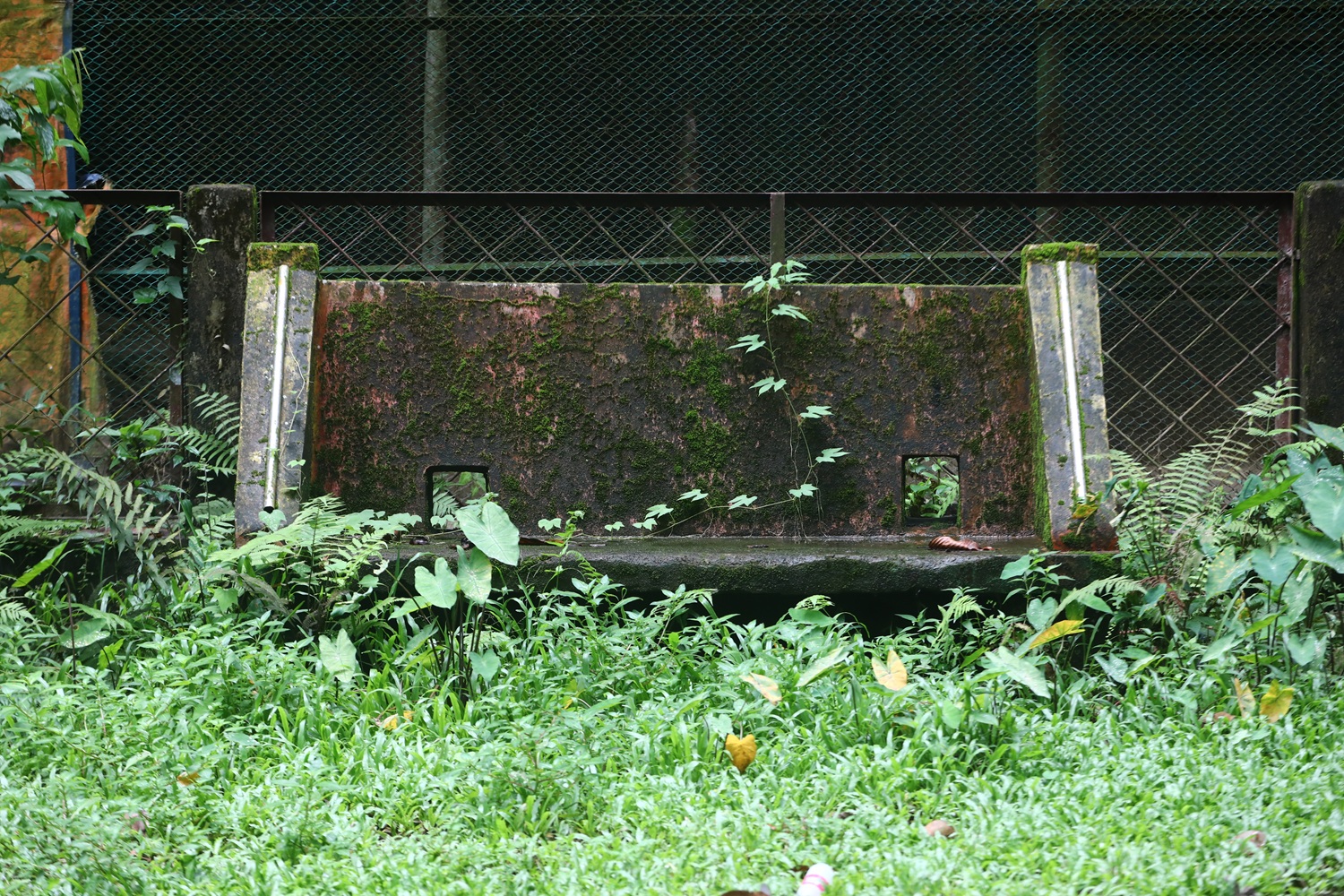
Despite its current condition, Sylhet Zoo still holds significant potential. Located within a scenic forested area, it has the natural setting to become one of Bangladesh’s leading wildlife attractions.
With strategic planning, adequate funding, improved animal habitats, professional management, and regular maintenance, the facility could be transformed into a centre that promotes conservation, education, and eco-tourism.
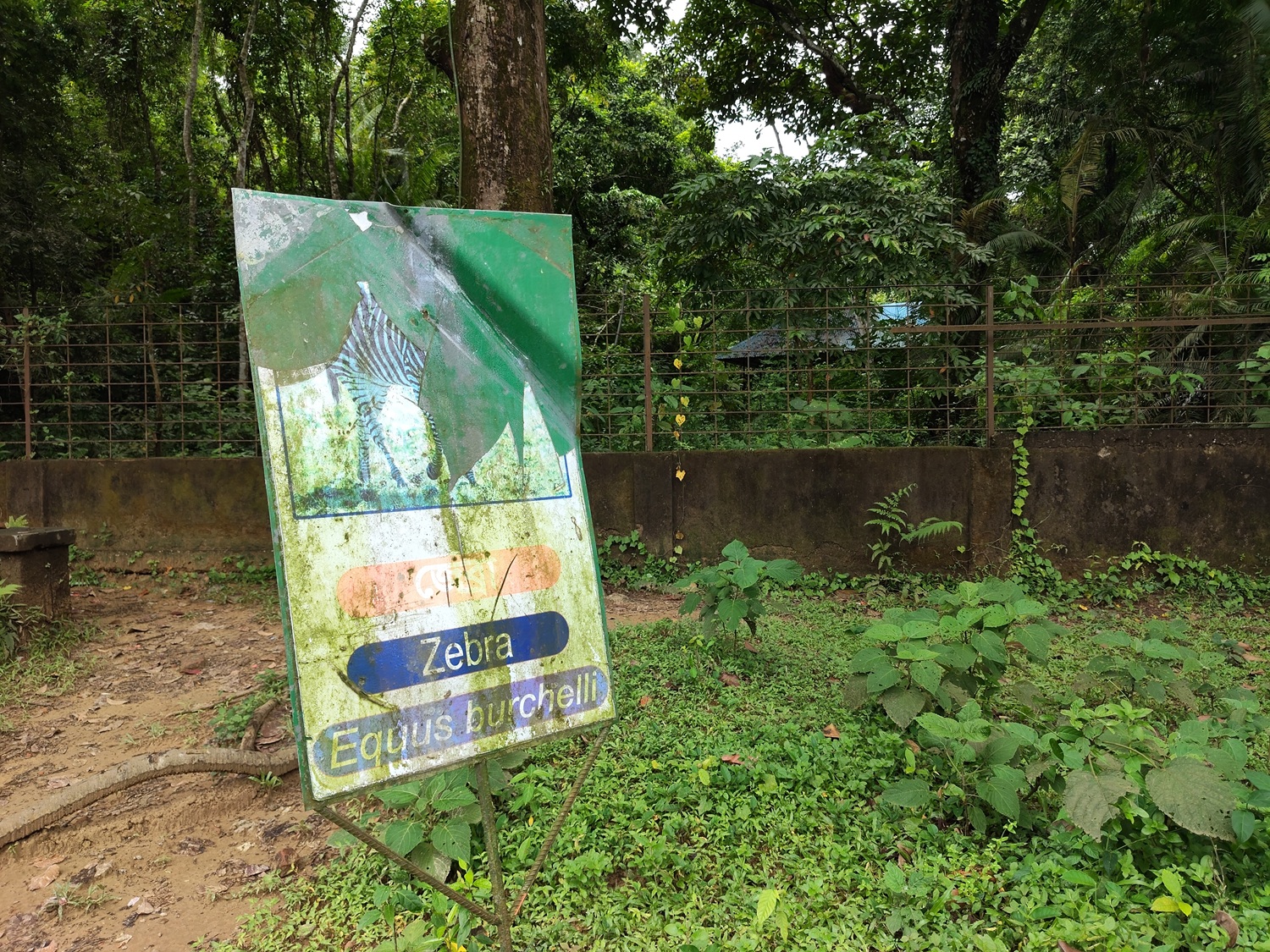
Restoring visitor facilities, repairing damaged enclosures, and ensuring proper animal welfare would help rebuild public trust and attract tourists once again.
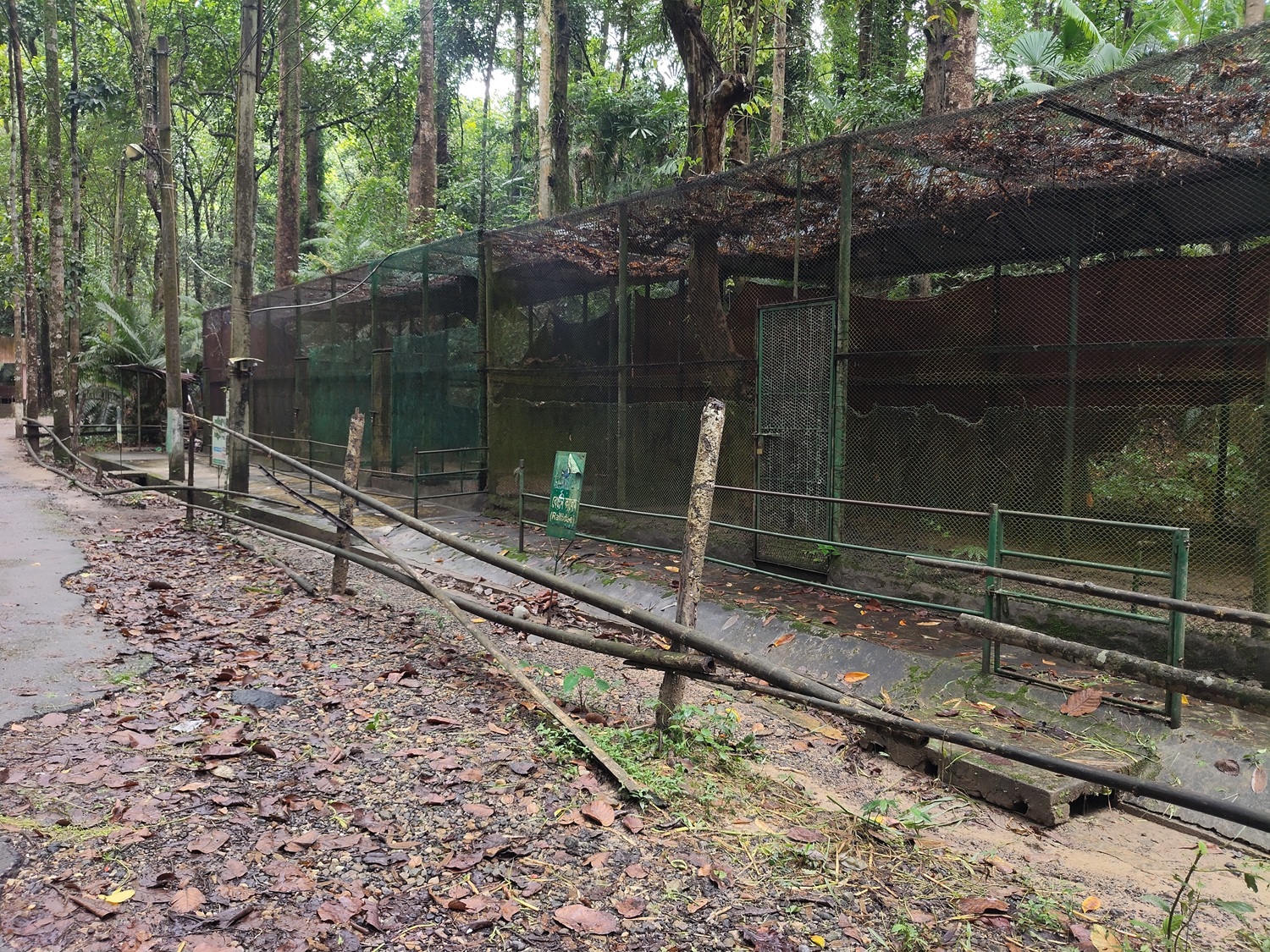
Sylhet Zoo deserves more than empty cages and fading memories. It requires immediate attention and long-term commitment from the authorities.