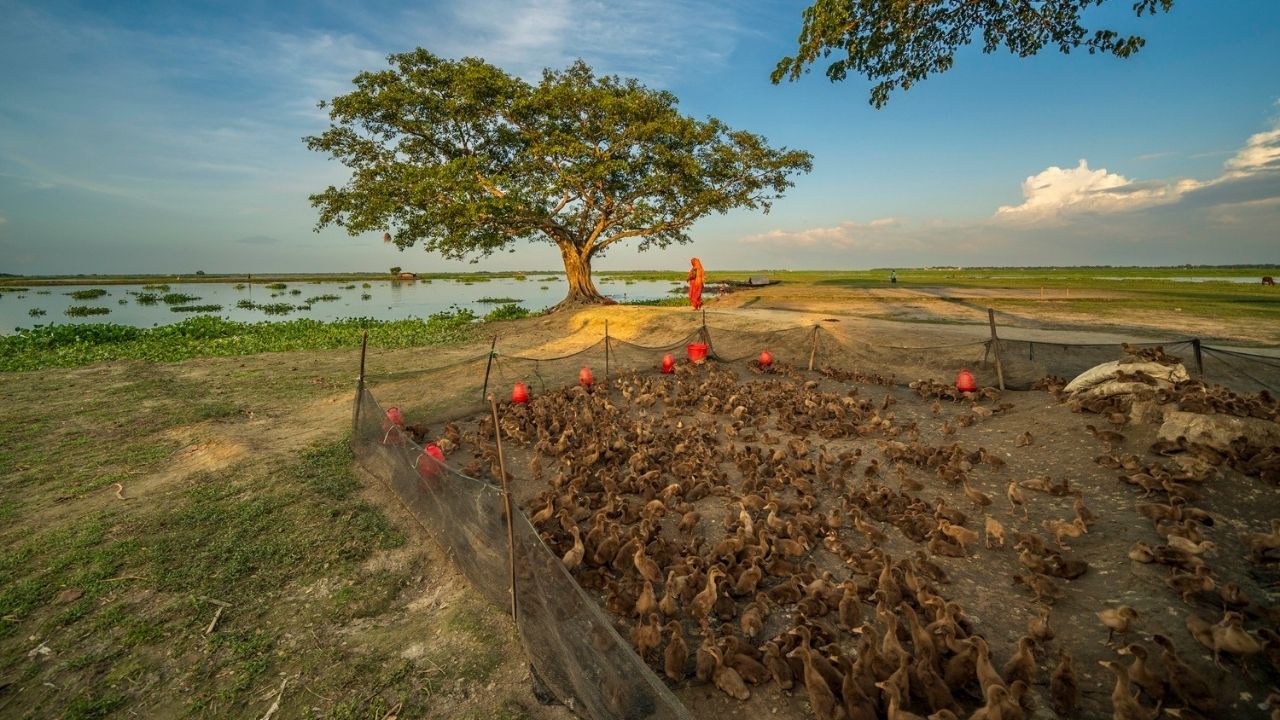



The use of modern incubators and electric machines has increased significantly in recent years. Yet across many parts of rural Bangladesh, duck eggs are still hatched using indigenous methods, techniques passed down through generations that continue to sustain livelihoods across the countryside.
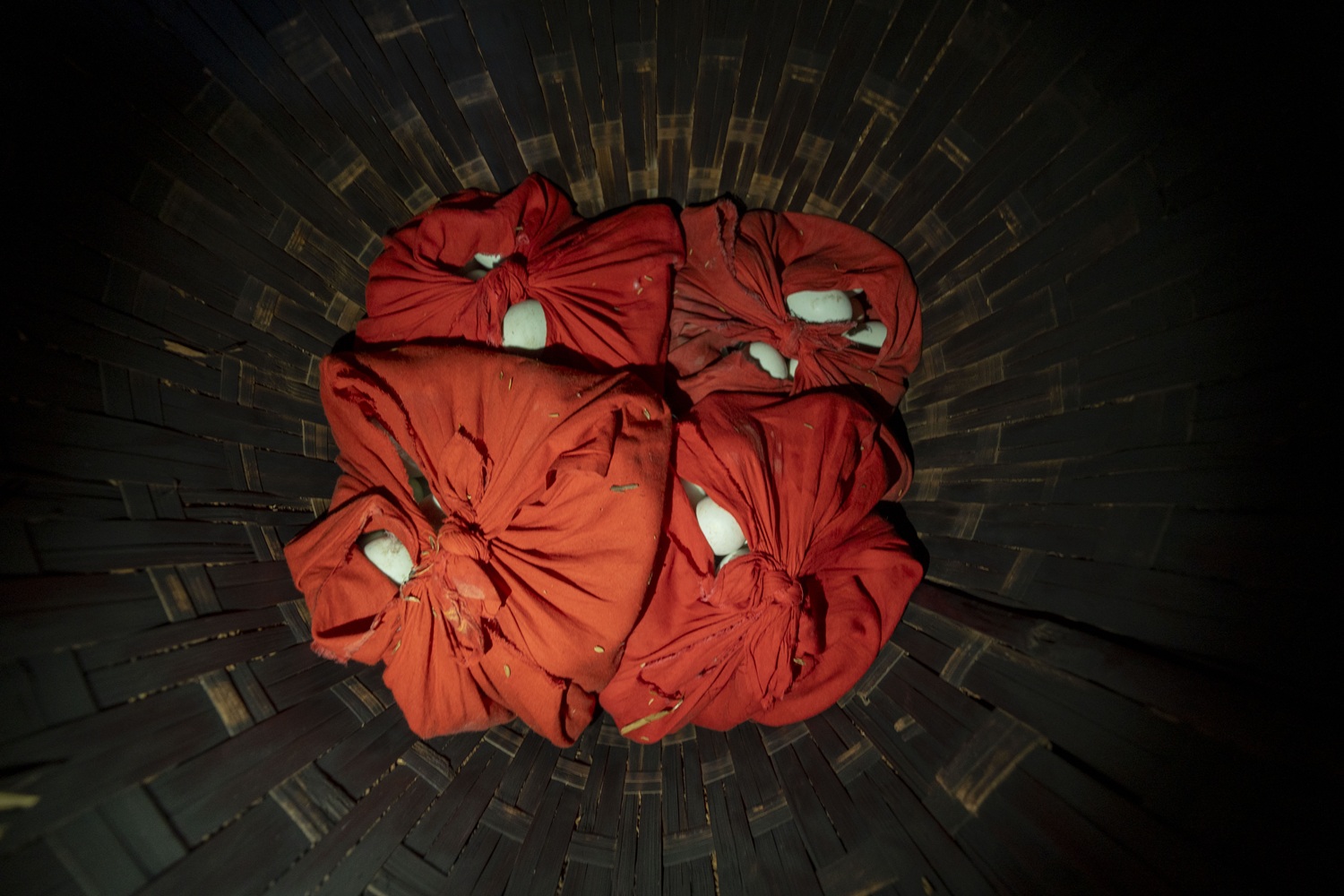
In Kishoreganj’s Tarail upazila, farmers running roughly 200 or more duck farms hatch their eggs using what is locally known as the kerosene method. The technique relies on the steady heat of a kerosene lamp, carefully managed by experienced farmers who have mastered its rhythms over years of practice.
The process begins with a set number of duck eggs collected and stored in a clean, dry space. Using wood, straw, cloth or other locally available materials, farmers then build a contained system in which heat from the kerosene lamp warms the surrounding air without ever touching the eggs directly.

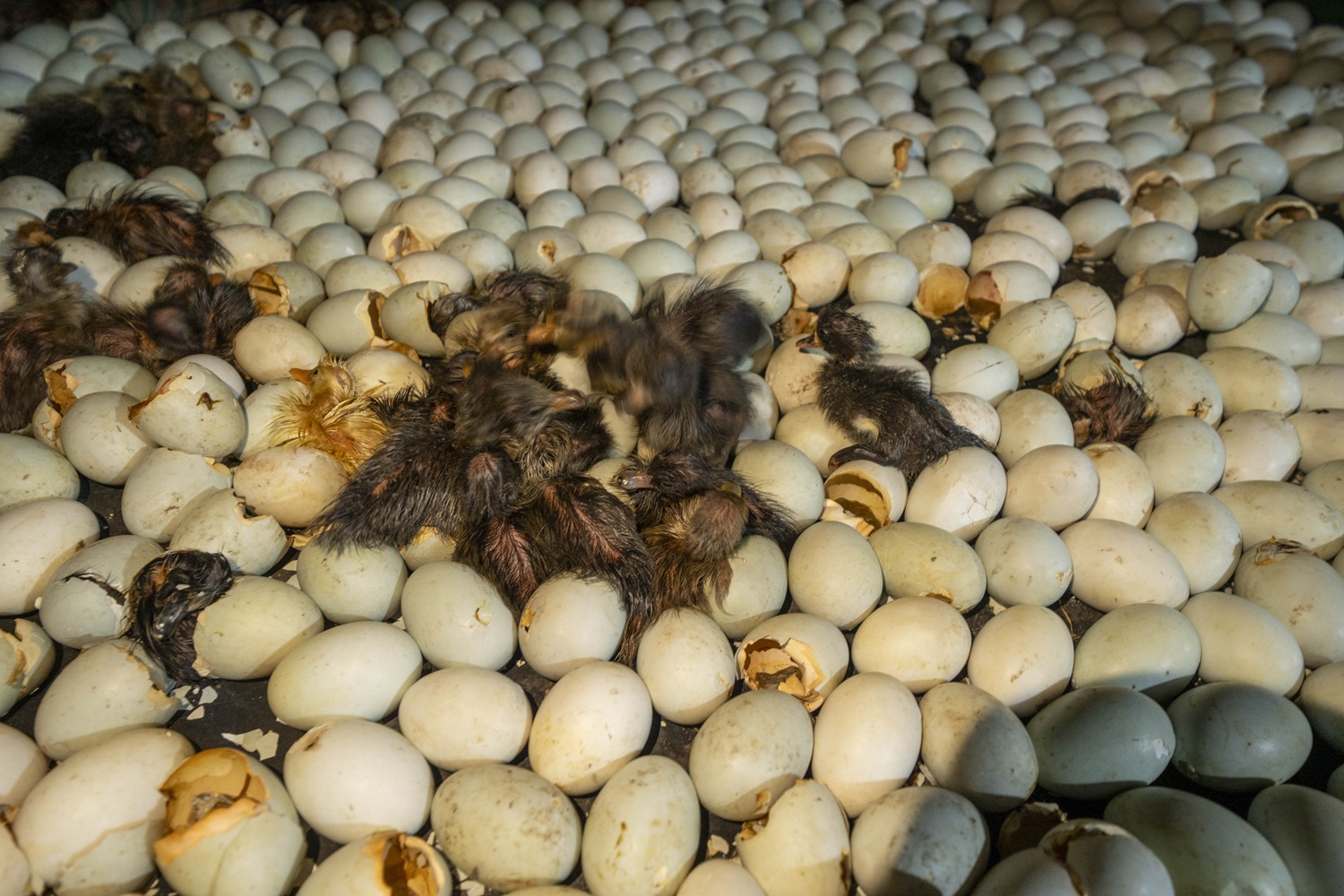
The eggs are arranged at a precise distance from the heat source, with temperature managed almost entirely by feel and experience to avoid extremes in either direction.
Farmers also work to maintain adequate moisture throughout, a factor every bit as critical to a successful hatch as heat itself. Managing that balance precisely, farmers say, is the single most demanding part of the process.


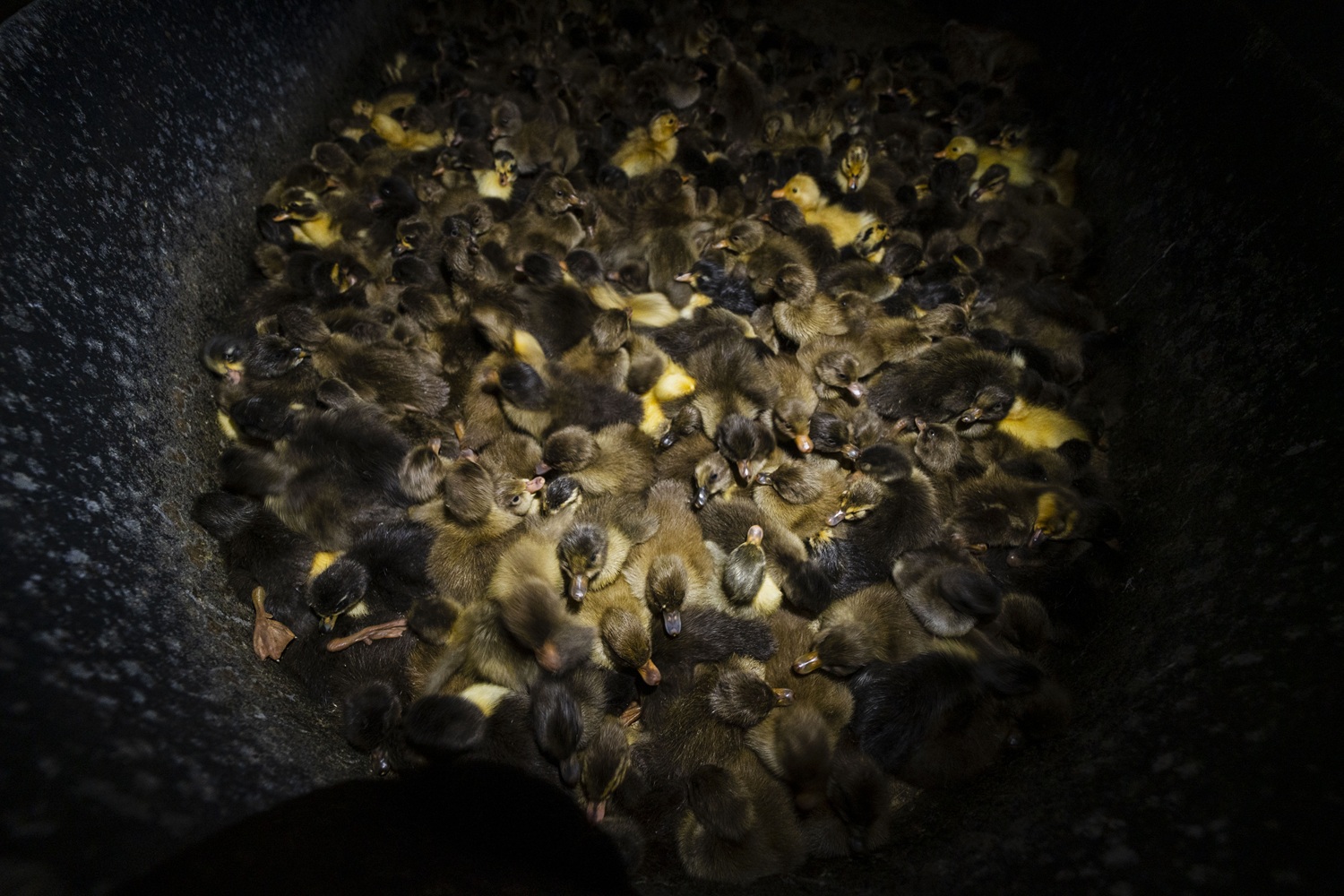
In recent years, frequent load-shedding has made life increasingly difficult for farmers who depend on electric incubators, with power cuts disrupting the tightly controlled conditions successful hatching requires and often causing significant losses.
For many in Tarail, the kerosene method has become the more dependable option, one immune to an erratic electricity supply.
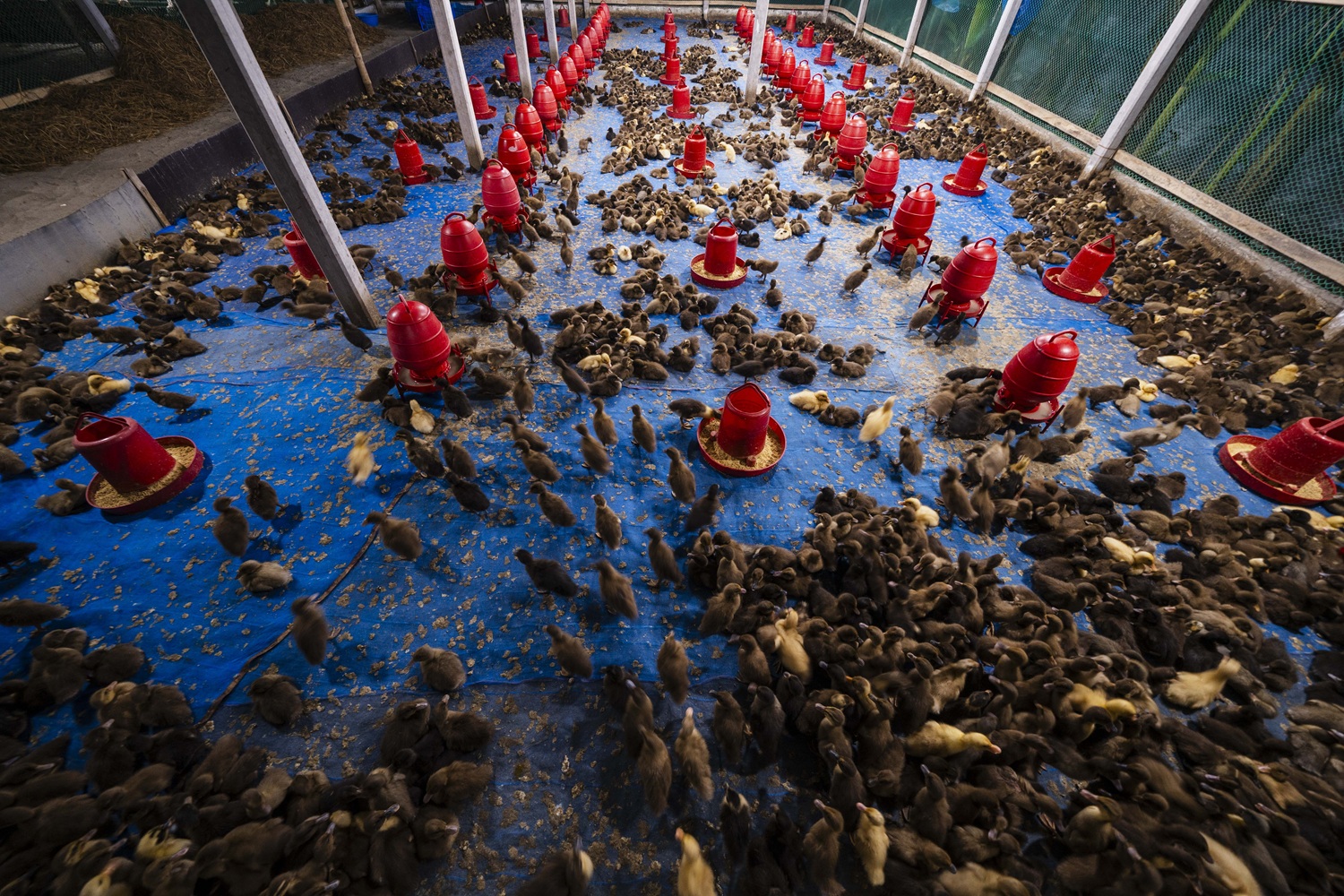
Even without electricity or modern machinery, the kerosene method stands as a striking example of what local knowledge, experience and long-established practice can still accomplish.
It is not merely a technique for hatching duck eggs, but a testament to the ingenuity and indigenous wisdom of rural Bengal, proof that resilience and resourcefulness often turn up in the most unexpected places, flickering quietly under a kerosene flame while the national grid goes dark.