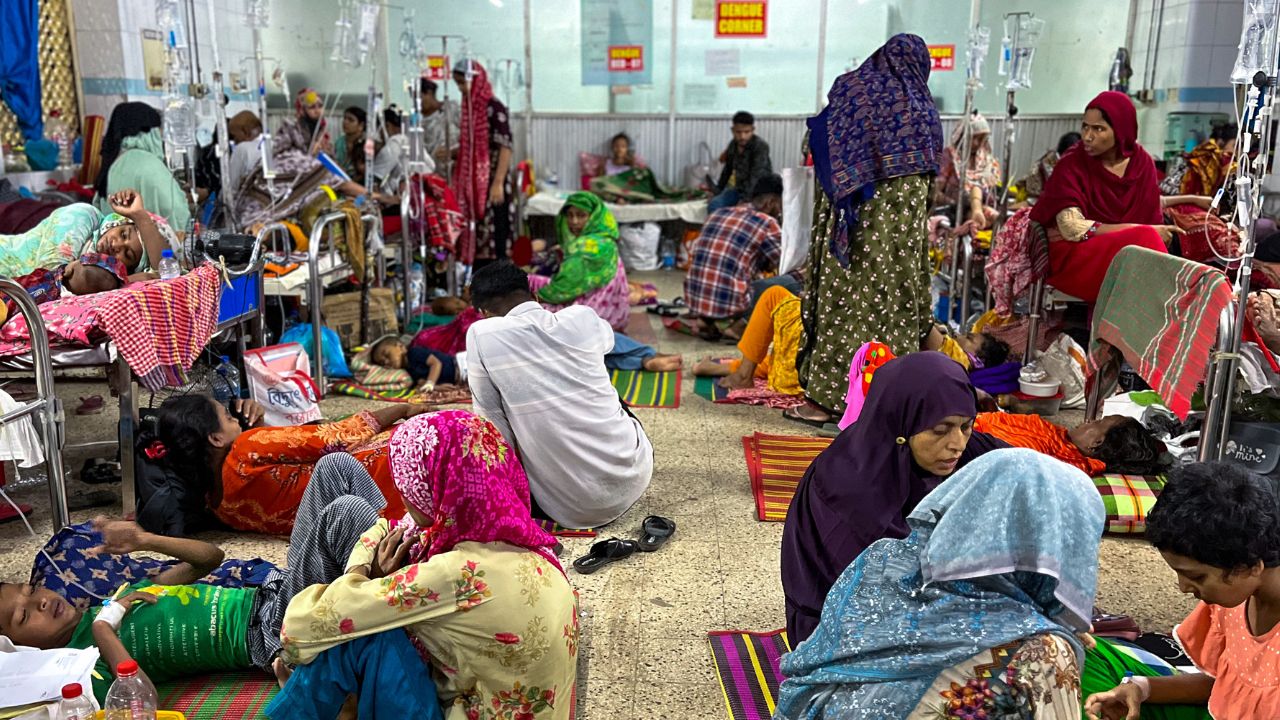



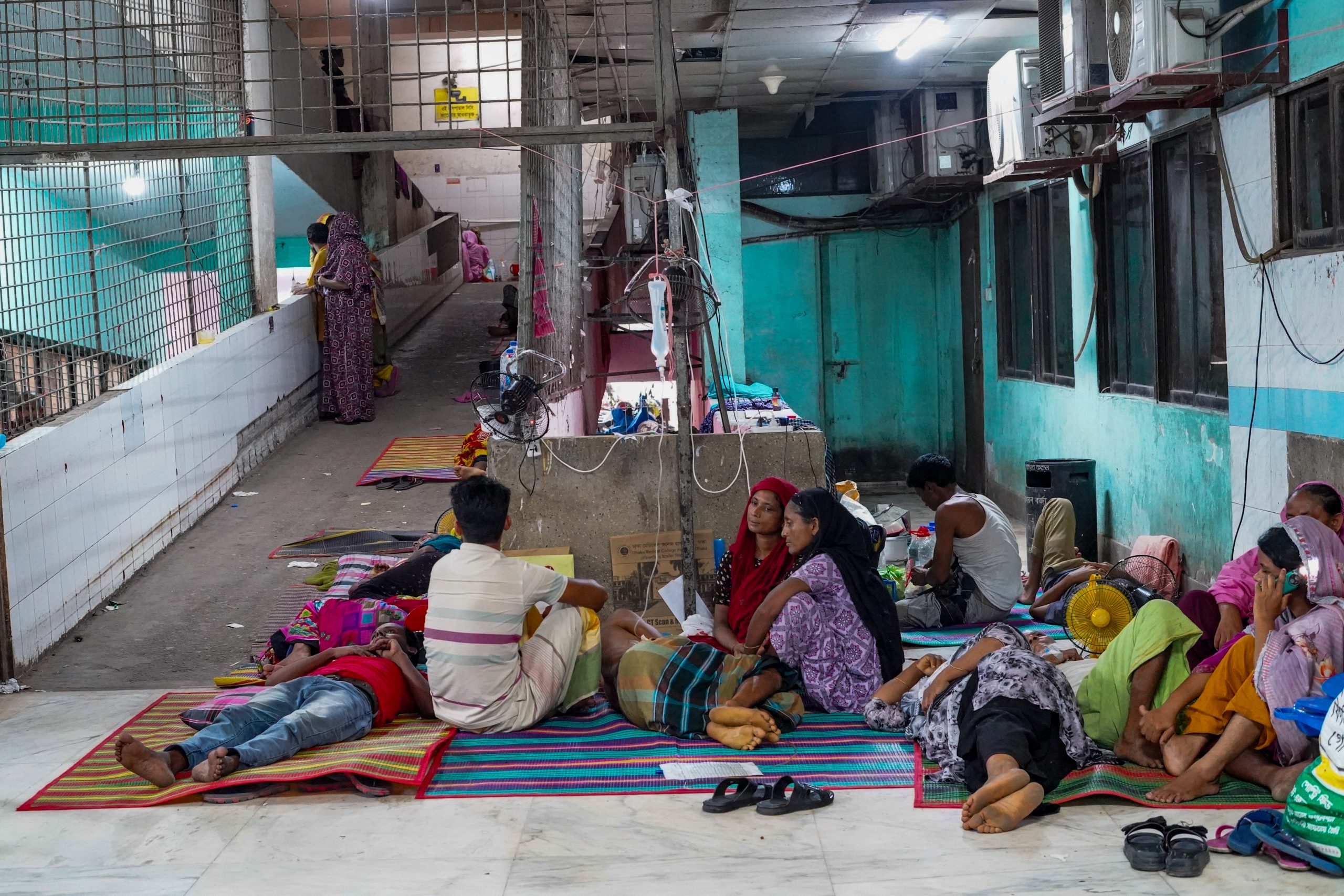
Mohammad Akbar Elahi, 52, arrived at Dhaka Medical College Hospital (DMCH) from Sabujbagh on Sunday morning with his wife, who needed treatment for a neurological condition. Unable to secure a bed in the ward, Akbar and his family were staying outside the ward in an unhygienic environment.
“Getting treatment is what matters most for us now. We will take the service even if we have to stay on the floor,” he TIMES of Bangladesh.
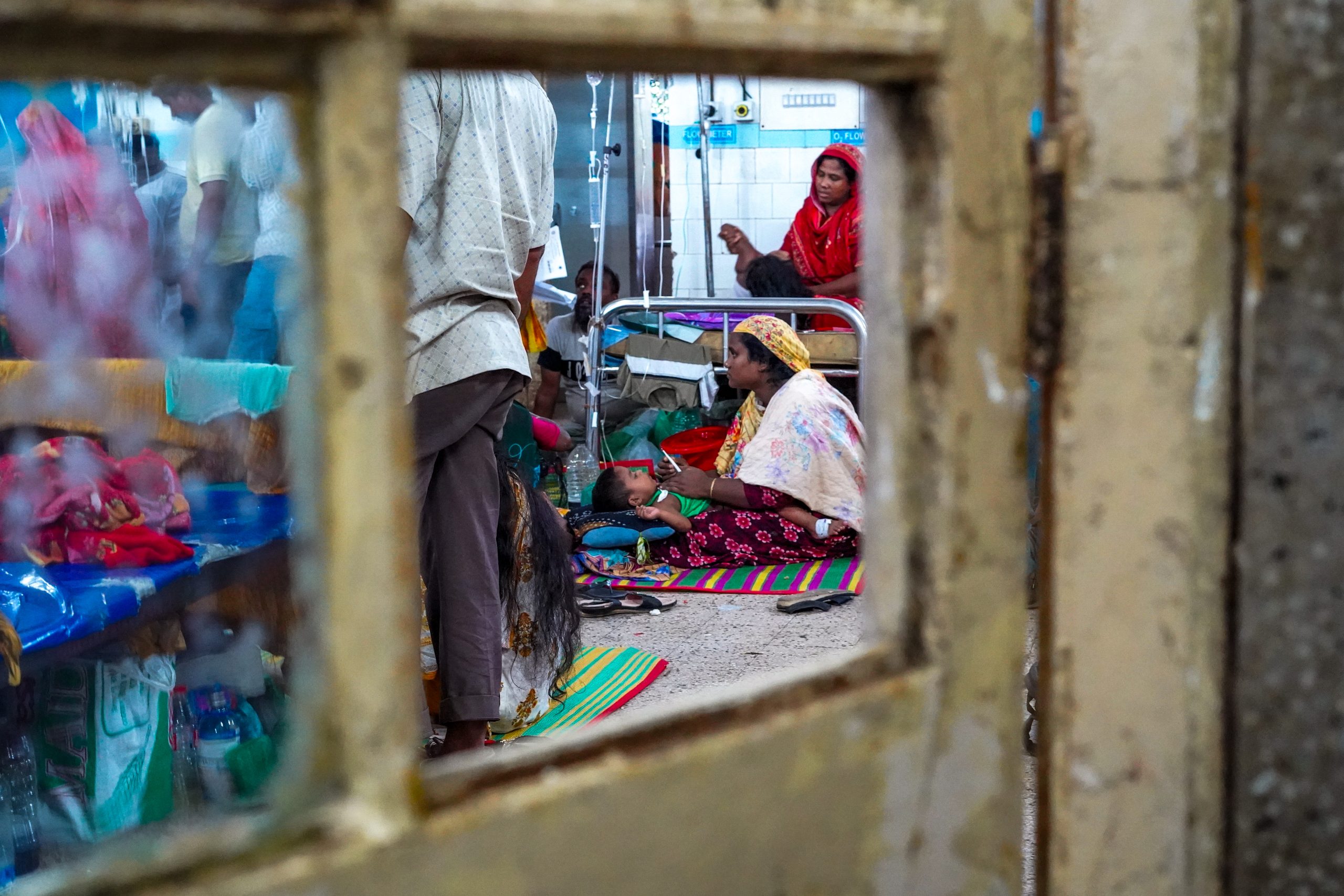
Akbar’s experience reflects a common scene at DMCH, one of the country’s busiest public hospitals, where patient numbers routinely exceed its capacity.
Hospital sources said DMCH currently has 2,600 beds but admits around 4,000 patients a day, with the number sometimes rising to 4,500.
A visit to the hospital found patients receiving treatment on floors, balconies, and beside stairways as available beds remained insufficient. Emergency services were also under severe pressure, with crowded corridors and triage areas filled with trauma patients.

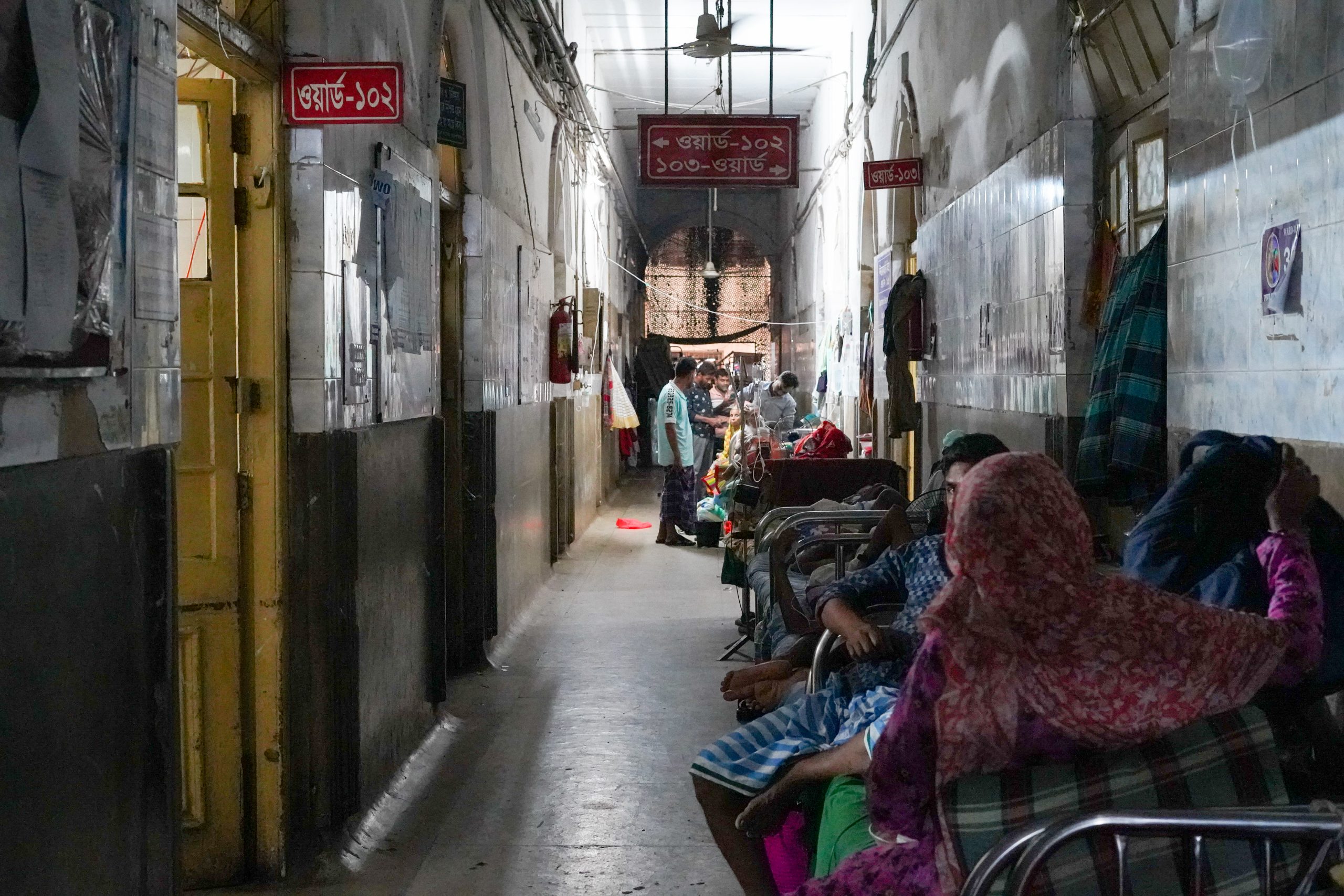
Relatives and medical staff moved through narrow, congested hallways as injured patients arrived on stretchers for immediate treatment.
Inside the main inpatient wards, beds were tightly packed to accommodate the continuing influx of patients, while healthcare workers provided intravenous fluids and other urgent care in limited space.
The government had earlier planned a mega project to upgrade DMCH to a 5,000-bed hospital, but the project did not move forward after the change in government. Government sources said the hospital is now planned to be upgraded to 4,000 beds.




A DMCH official, speaking on condition of anonymity, told TIMES that the hospital tries to provide healthcare to everyone. “When better options are available, we refer patients to other hospitals.
But given the current situation, DMCH needs to be upgraded to serve the growing number of patients,” the official said.
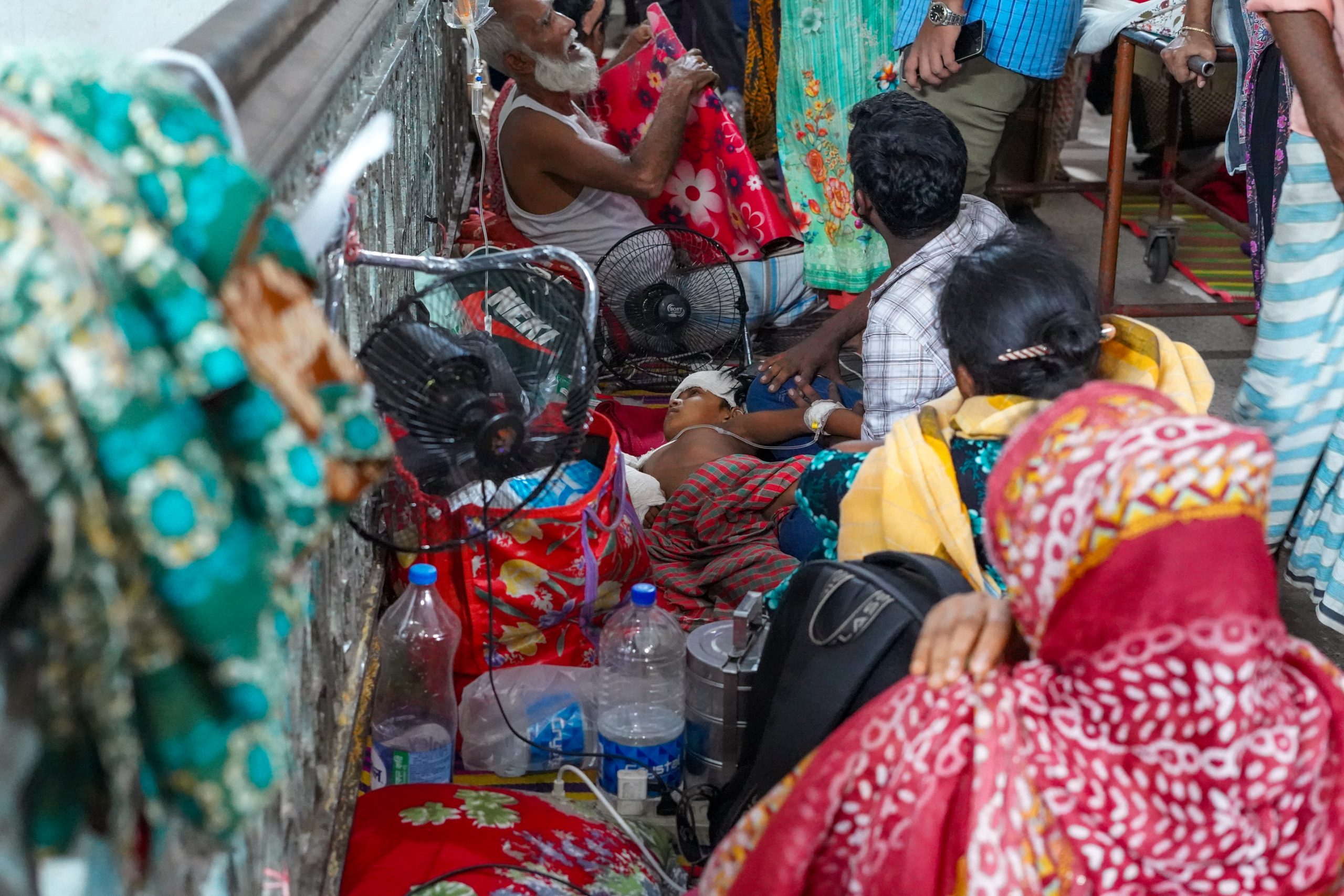
The pressure on DMCH is part of a wider problem in the public healthcare system. According to the Directorate General of Health Services’ Health Bulletin 2024, the average bed occupancy rate at 59 district hospitals was 178 per cent in 2024.
The rate was 164 per cent at government medical college hospitals and 111 per cent at upazila health complexes.
A 2025 study titled “The burden of hospital-acquired infections and antibiotic resistance in Bangladesh: current trends and policy implications” identified overcrowding, poor hospital hygiene, shortages of trained healthcare staff, weak environmental management, and inadequate monitoring as factors contributing to hospital-acquired infections in Bangladesh.
The study also identified irrational antibiotic prescribing, limited awareness, weak infection-control practices, and poor hygiene as key drivers of antimicrobial resistance. It recommended adopting the One Health approach, strengthening antibiotic stewardship, enforcing antibiotic-use guidelines, and improving infection prevention and control measures.
Public health expert and adviser to the Institute of Epidemiology, Disease Control and Research (IEDCR) Mohammad Mushtuq Husain told TIMES that strengthening primary healthcare services outside Dhaka is essential to reduce pressure on government hospitals such as DMCH.
Otherwise, he warned, patients from across the country will continue travelling to Dhaka in search of better treatment, further increasing the burden on already overcrowded government hospitals.
The government has revised its plan to upgrade all upazila health complexes, increasing their proposed capacity from 101 to 151 beds to strengthen healthcare services at the grassroots level.
Mushtuq Husain said much of the equipment in hospitals remains unused due to manpower shortages, while a lack of doctors and nurses continues to hamper service delivery.
Addressing these staffing shortages, he said, is equally important to ensure the effective use of existing facilities. For patients like Akbar and his wife, the system is already failing – and without urgent action, the crisis will only worsen.