A pioneer of contemporary Bangladeshi fashion, Humaira Khan has spent decades shaping the industry with timeless elegance, artistic individuality, and an unwavering commitment to craftsmanship. Through her labels Anokhi and later Anikini, she helped shape a new era of fashion in Bangladesh at a time when the profession itself was barely recognised.
For this Eid, the designer sat down with Times of Bangladesh to reflect on her creative journey, design philosophy, and thoughts on the future of Bangladeshi fashion.
TIMES: What first drew you to fashion?
Humaira Khan: I have always been connected to art in different forms, but fashion became personal because of my parents. They were both incredibly stylish people and influenced my sense of aesthetics from an early age. Later, after my matriculation, I was introduced to Chandni Chowk and local fabric markets, and that truly sparked my creativity.
TIMES: How would you describe your journey from those early days to becoming an established name in fashion?
Humaira Khan: My style has always been minimal, fluid, and individualistic. I never wanted to look like anyone else. I naturally leaned toward subtlety rather than loudness. Initially, I started creating outfits for myself, but during my years at Dhaka University, people began noticing my style. Slowly, orders started coming in. What began in a small room on Road 5 in Dhanmondi has now become a 36-year-long journey.

TIMES: Looking back, what fears or doubts shaped your path as a designer?
Humaira Khan: Honestly, when you are young and unaware of limitations, you are less afraid. I was simply curious and creative. I never felt the need to impress anyone. I only believed in moving forward and evolving with time.
TIMES: How would you define the identity of your brand?




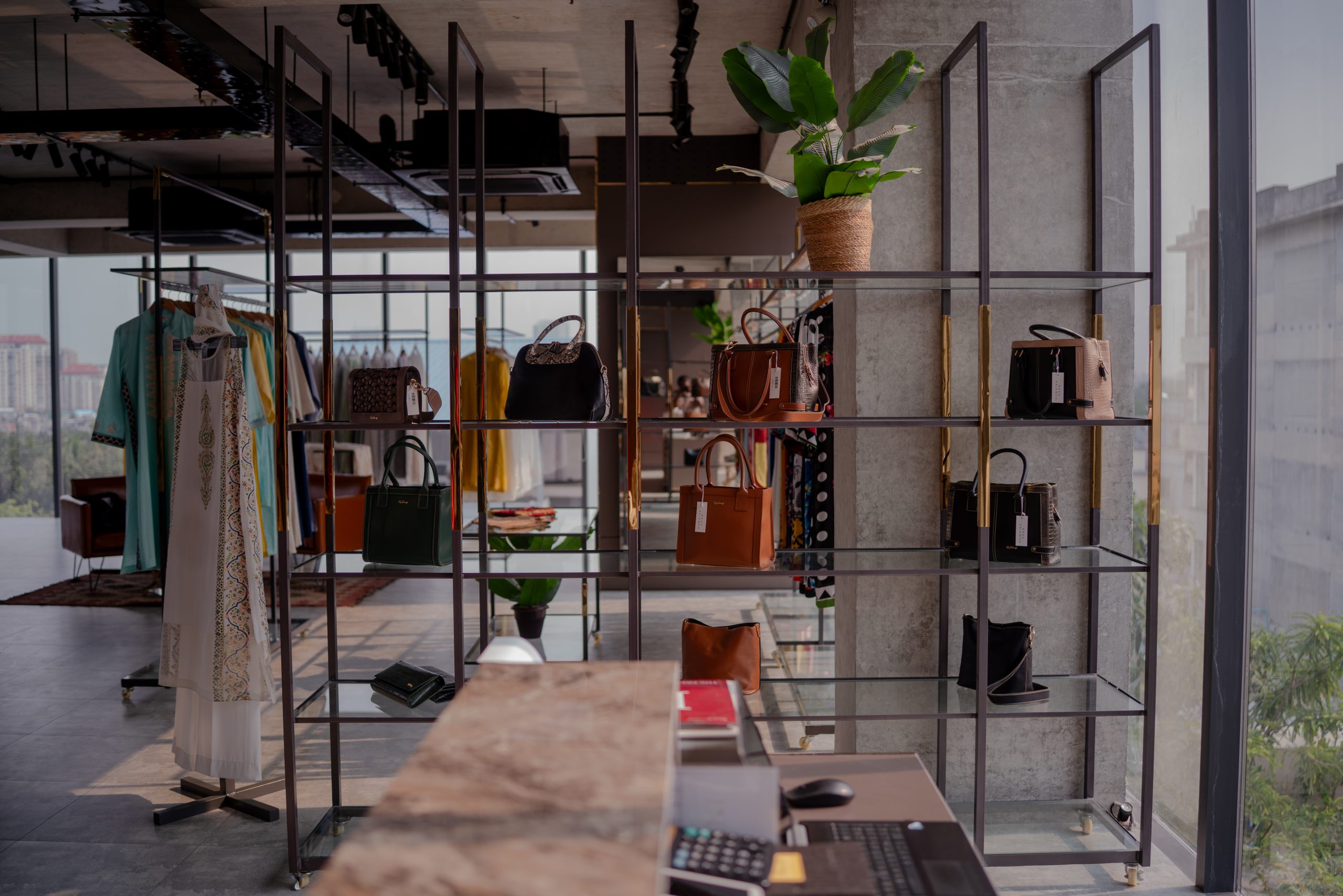
Humaira Khan: My brand is like water; it takes the shape of the woman wearing it. The clothing is not meant to define a person; instead, it highlights the individuality and personality of the wearer.
TIMES: What is the philosophy behind your designs?
Humaira Khan: I do not follow trends. My work is deeply rooted in family values, cultural heritage, and our social context, while also respecting religion. I believe fashion should enhance who you are rather than imitate someone else.
TIMES: Tell us about your Eid collection this year.
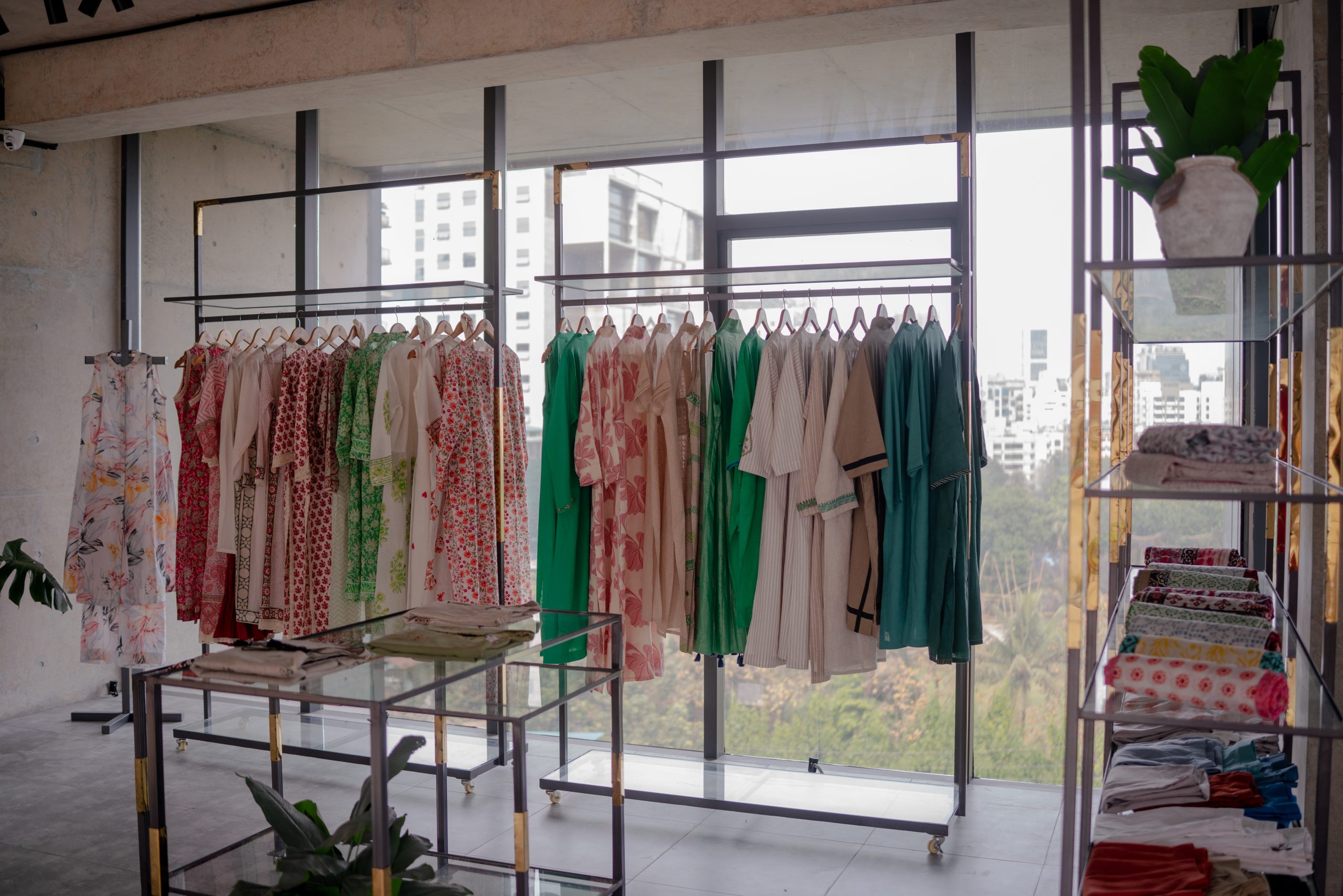
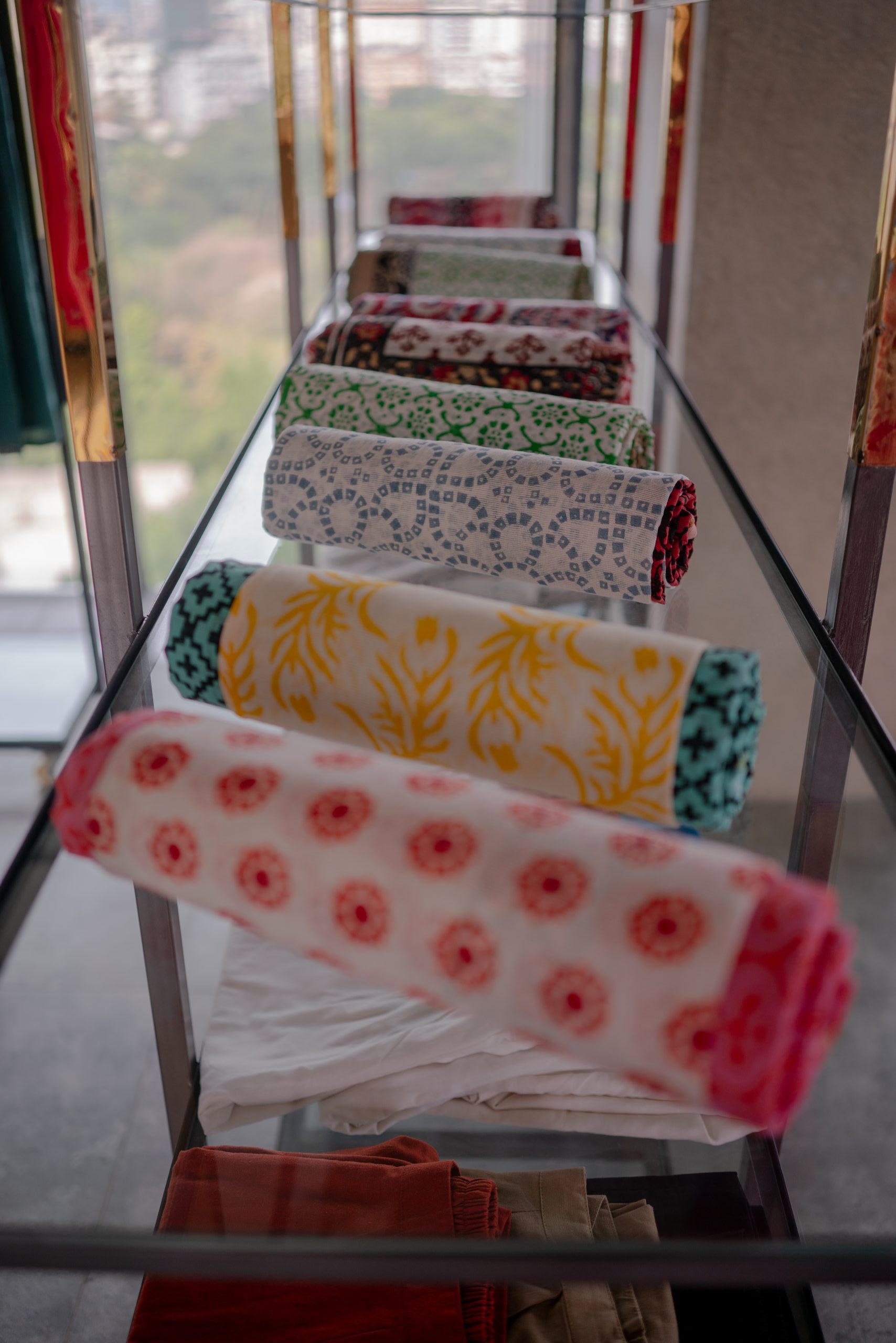
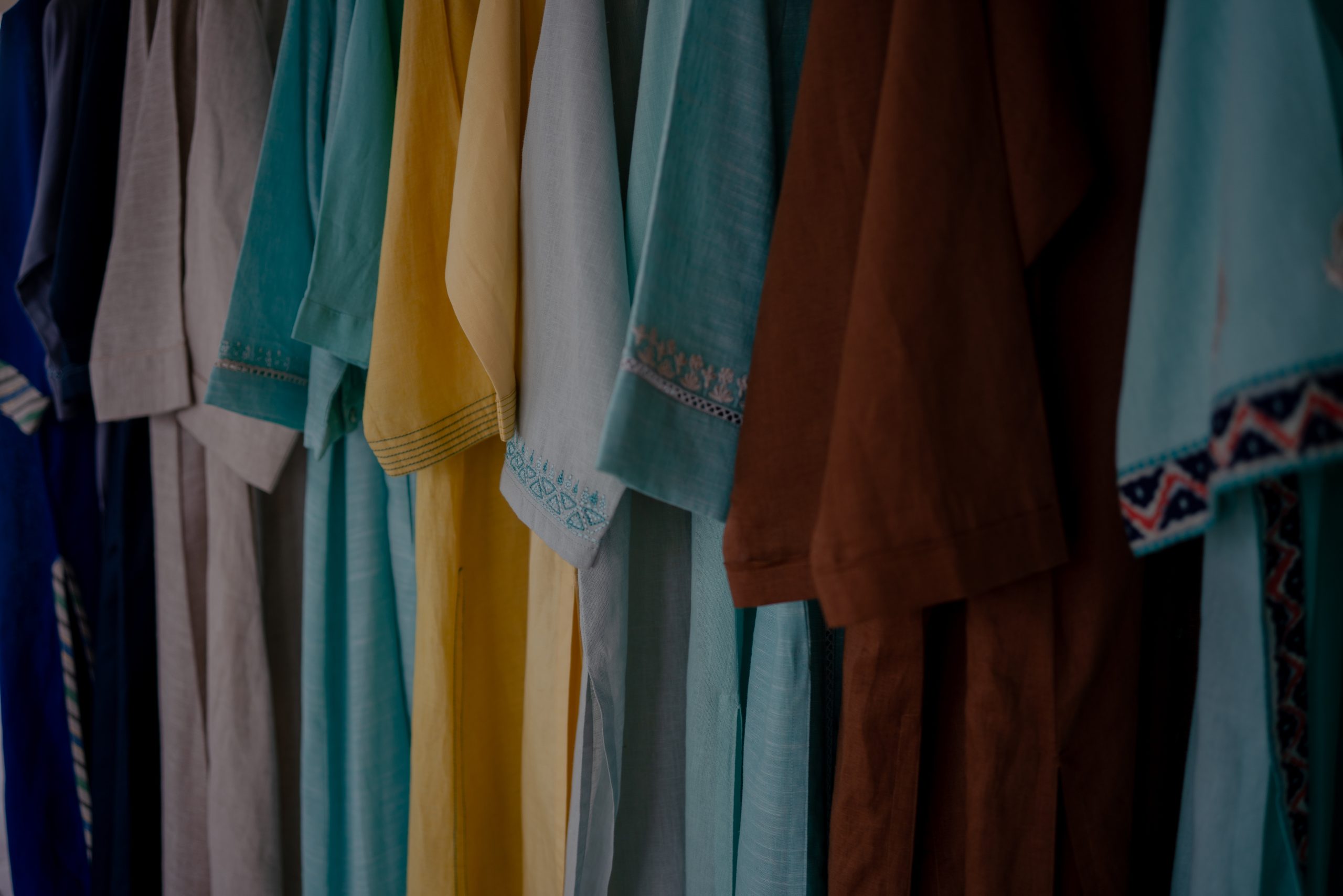
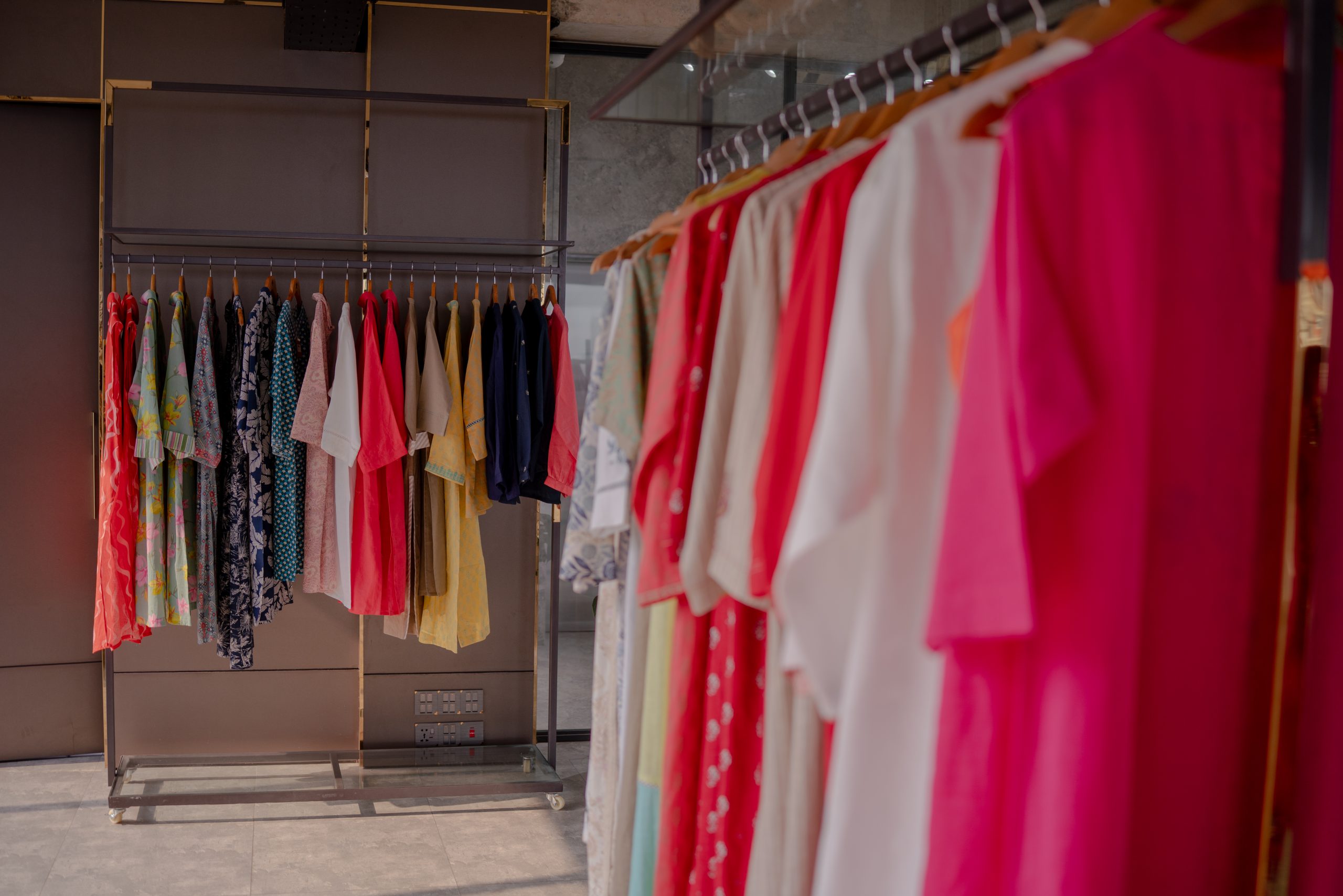
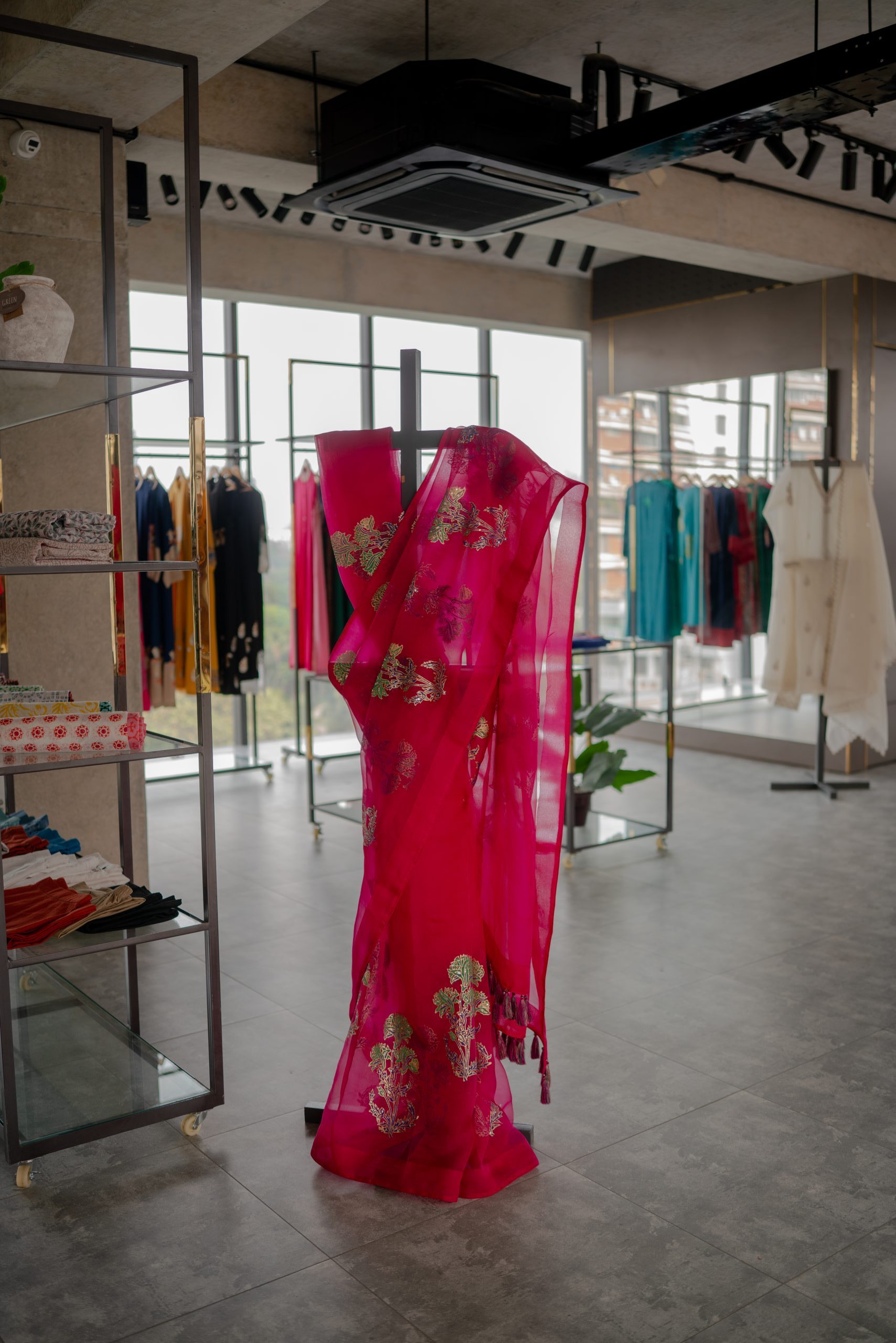
Humaira Khan: This Eid, we focused on shades of white and soft pastels. We used heirloom fabrics such as khadi, cotton, linen, and muslin, keeping the summer season in mind. The silhouettes range from classic cuts to Indo-Western styles, offering elegance while remaining comfortable.
TIMES: Your designs appeal to women across generations. How do you manage that balance?
Humaira Khan: Thankfully, we have been successful in connecting with different age groups. People from various generations find something that suits their personality and taste. If I had to compare my designs to food, I would say they are like sushi, refined, balanced, and appreciated differently by everyone.
TIMES: How do you handle creative pressure during Eid seasons?
Humaira Khan: I work very well under pressure. But whenever I experience a creative block, I pause for a while and observe my surroundings. I watch people, the weather, and changing pop culture. Inspiration often comes quietly.
TIMES: Your top styling tips for women this Eid?
Humaira Khan: Tie your hair neatly, accessorise delicately, and most importantly, dress confidently while staying comfortable.
TIMES: How do you view the current landscape of Bangladeshi fashion?
Humaira Khan: Earlier, I felt disappointed because although there was talent, there was very little unity and cohesive marketing within the industry. But now I see more Bangladeshis embracing their own identity instead of borrowing from others. That gives me hope for a stronger future.
TIMES: What message would you like to leave about preserving Bangladeshi fashion culture?
Humaira Khan: We need to create more culturally driven fashion and pay attention to our roots and surroundings. We should also support other local businesses and take our own fashion industry more seriously. That is how we preserve identity while moving forward.