Infants and young children from low-income families are bearing the brunt of measles infections, with doctors pointing to malnutrition, lack of breastfeeding and delayed treatment as key factors behind severe cases.
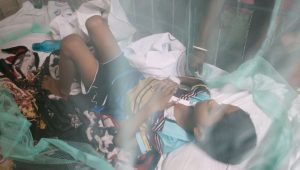
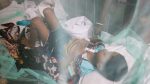
At the Infectious Diseases Hospital, two-and-a-half-month-old Sidratul Muntaha lies in a hospital bed — a victim of both a highly contagious virus and a series of systemic hurdles. Her journey to the paediatric ward was marked by initial hesitation and diagnostic failures in the private sector.
“At first, we noticed she was having a fever on and off, around 100 degrees Fahrenheit. We thought it might go away on its own,” said Mehedi Hasan, Sidratul’s father who is a small businessman.
After a private clinic failed to identify the illness, it was a digital intervention that finally led them to the right care. “I took a photo of the rashes and shared it with ChatGPT, which suggested it could be measles and advised going to a hospital. So, we brought her here.”

“We are following the doctors’ advice and giving her nutritious food. It is expensive, but we are willing to bear the cost no matter how it affects us financially,” he said.
Duty doctors at the DNCC Hospital and the Infectious Diseases Hospital confirm that the wards are almost exclusively filled with patients from lower-income backgrounds.
“As this is a government hospital, most of those coming here are from lower-middle and lower-income backgrounds. We rarely see even middle-class patients,” said duty doctors at DNCC Hospital.
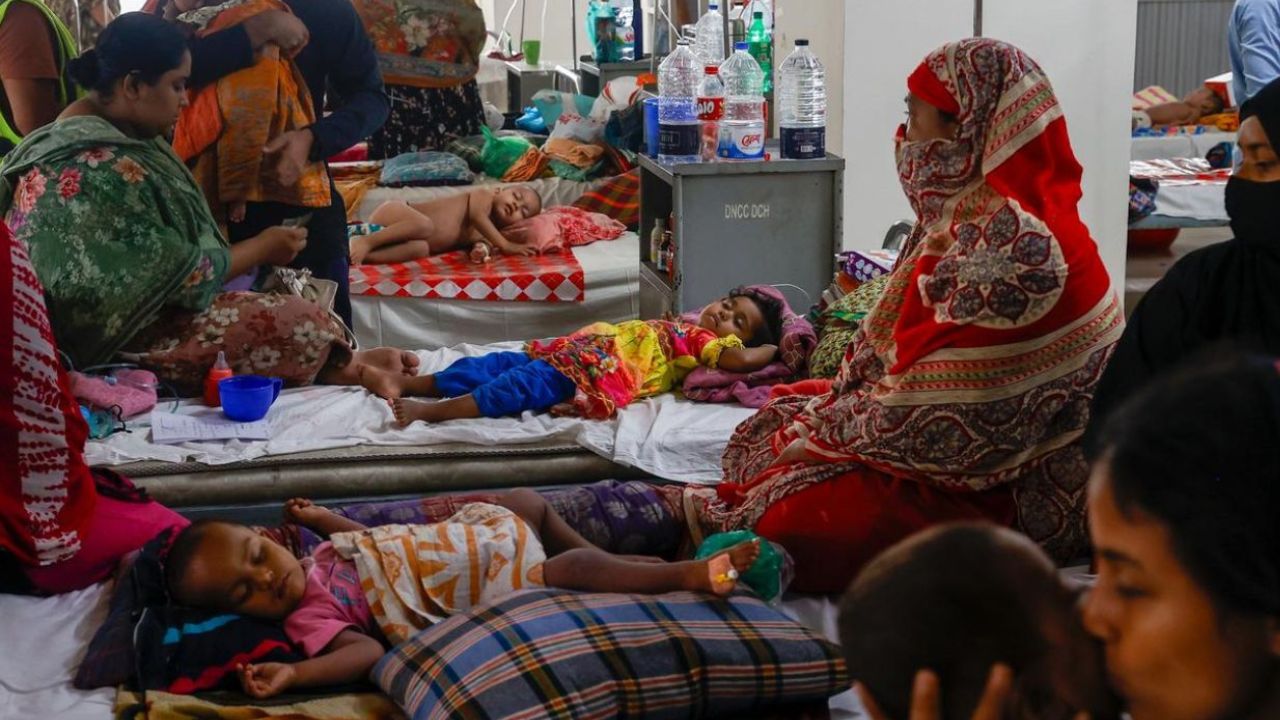


Sadia Jahan, a duty doctor at the Infectious Disease Hospital, noted that poverty-stricken families often lack awareness or means to seek early treatment.
“Many families tend to seek medical care at a later stage of illness rather than early on, which worsens the child’s condition,” she said, urging parents to seek help at the first sign of symptoms.
Experts say that the severity of the outbreak is inextricably linked to the nutritional status of the children. Professor Abu Torab Md Abdur Rahim of the Institute of Nutrition and Food Science at the University of Dhaka explained that the lack of breast milk prevents immune systems from developing properly.
“The problem is most acute among the poorest families, who often lack the financial means to provide alternative nutrition if breast milk is insufficient,” Rahim said. He added that these deficiencies have lasting consequences on disease resistance and cognitive development.
Statistics from Unicef Bangladesh support these clinical observations, revealing that one in eight children in the country suffers from malnutrition. Furthermore, 43.4 percent of newborns are not breastfed, a figure often driven by the necessity of working mothers in low-income brackets to return to work early.
The situation remains dire for many. Sabikunnahar Sohana, a 14-month-old, was rushed to DNCC Hospital from Cumilla after her condition became critical following a persistent high fever.
For Sidratul and others like her, recovery involves a gruelling regimen of antibiotics, saline, and supportive care to manage throat pain and mouth sores that make feeding nearly impossible.
As doctors continue to fight the physical symptoms of the virus, the underlying issues of poverty and nutritional insecurity remain the silent drivers of this paediatric crisis.