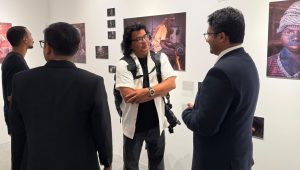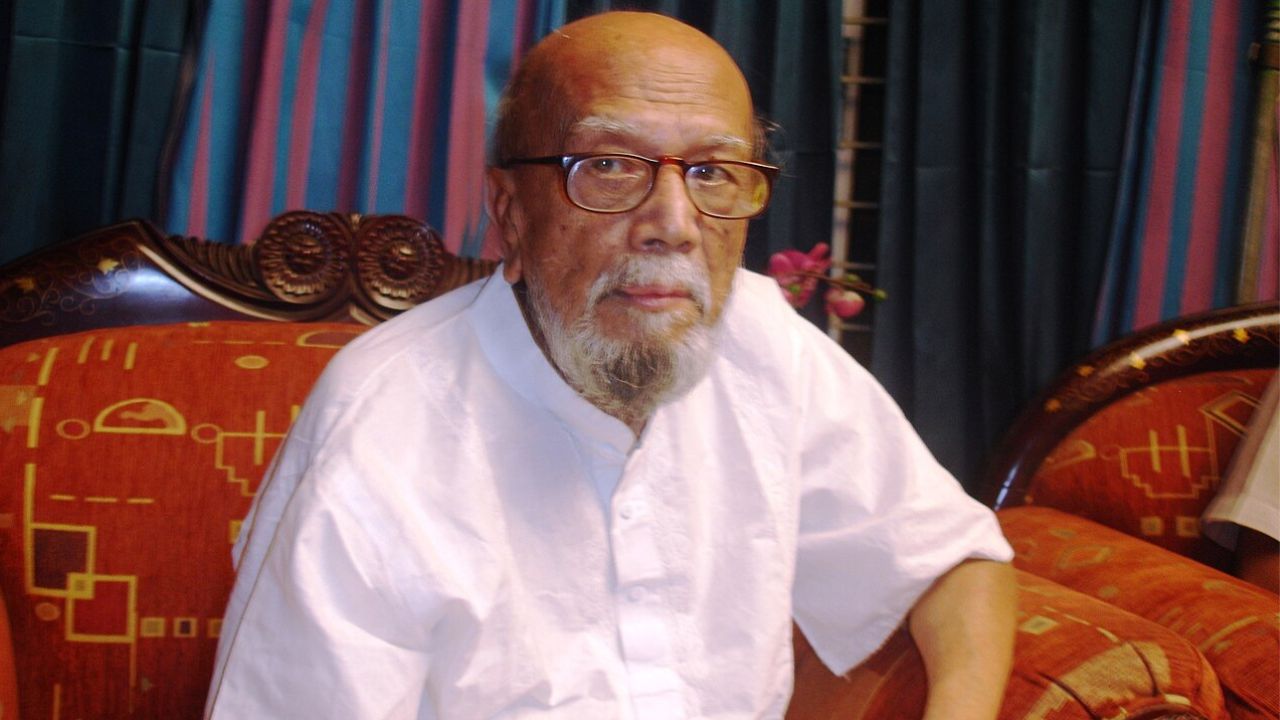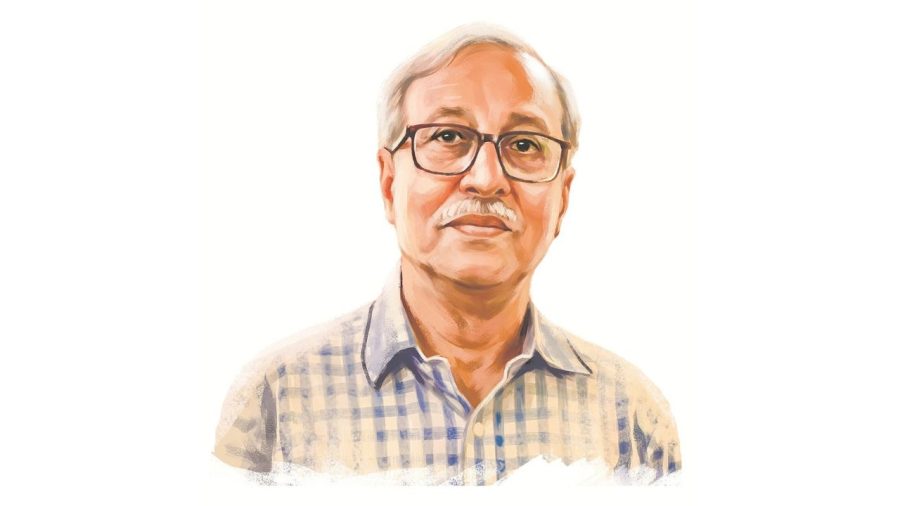



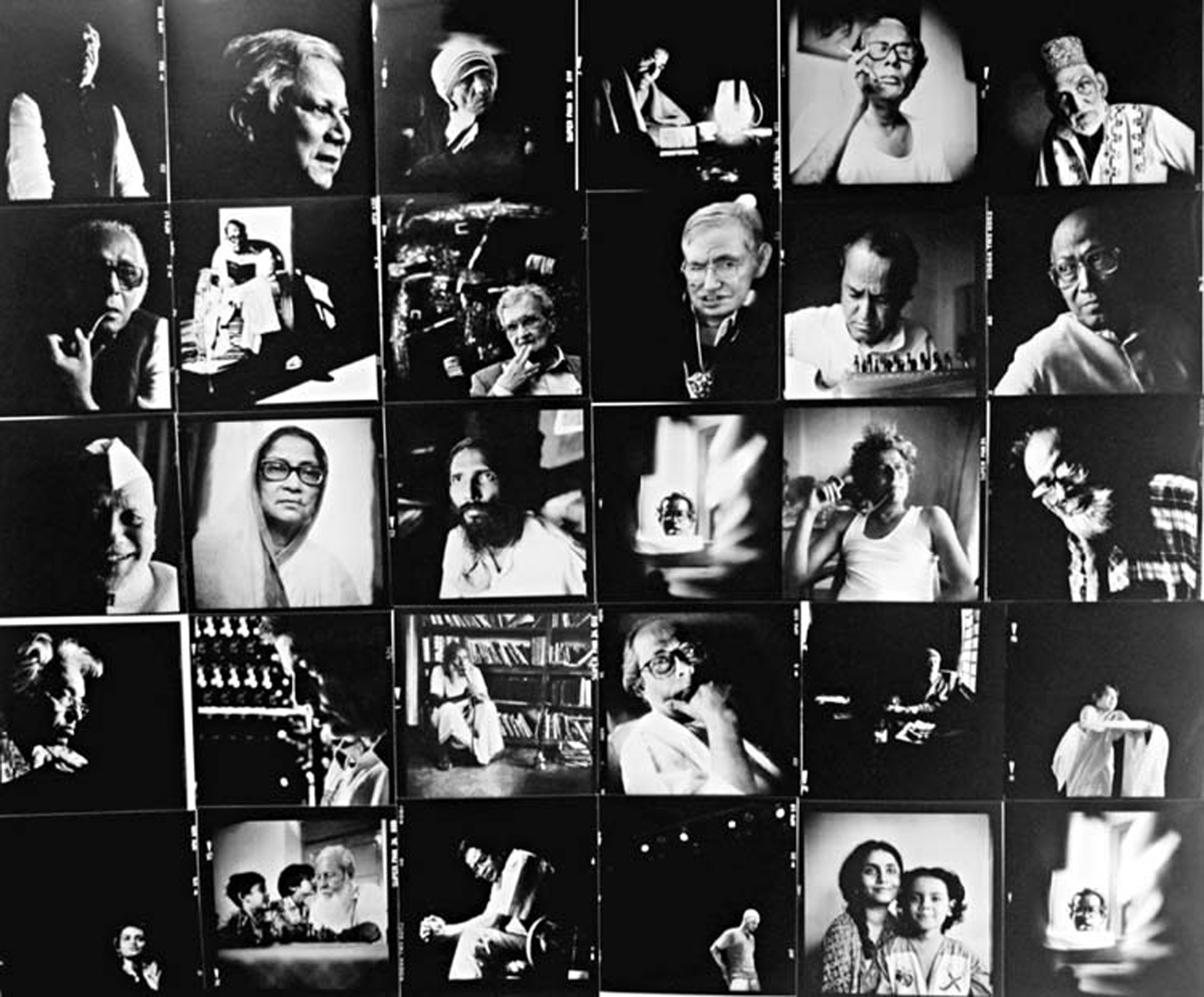
For more than five decades, Nasir Ali Mamun has captured the faces that shaped Bangladesh and the world. From poets and artists to political leaders, scientists and global personalities, his portraits have preserved not only appearances but also the emotions, stories and histories behind them. Known as the ‘Poet with the Camera’, the Ekushey Padak-winning photographer believes every image carries a language of its own.
In this exclusive conversation with Daily TIMES of Bangladesh, the eminent photographer reflects on his extraordinary journey, the philosophy behind his portraits and his dream of preserving Bangladesh’s visual heritage.
Here’s Nasir Ali Mamun’s reflections and journey:
Being known as the ‘Poet with the Camera’ is an immense honor rather than simply recognition or responsibility. Poet Shamsur Rahman dedicated a book to me with this title, and later Al Mahmud also used the same expression. Perhaps they found poetry in my photographs. A photograph is not just an image; it has sentences, words and metaphors. Poetry creates imagery through language, and photography creates imagery through light, emotion and composition.
I started my journey in 1971, and I am still actively working. In 2026, when world photography completes 200 years, being active for 56 years is one of the biggest milestones of my life. But my greatest achievement is not only my photographs. It is an opportunity to meet extraordinary people from different fields and learn from them. The people I photographed and the audiences who viewed my work have been my greatest teachers.

The people I photographed were already part of history. They represented different chapters of our society. When they sat before my camera, I tried to see beyond their public identity. I looked for the human being within them. A photograph truly begins its life after it is taken. Years later, when people look at those portraits, they are not only seeing a face – they are standing before a moment of history.
I learned from everyone I photographed. People like Maulana Bhashani, Jasimuddin, SM Sultan, Shamsur Rahman, Al Mahmud and Dr Muhammad Yunus enriched my understanding of life. One unforgettable experience was photographing Stephen Hawking. Despite his physical limitations, his spirit was extraordinary. When he looked into my camera and smiled, I realised that photography is not about the body – it is about the soul and the human spirit.
Human eyes are like mirrors. When I look into someone’s eyes, I try to understand their inner world. Through years of experience, I learned to observe expressions, silence and emotions. Sometimes a conversation brings out a moment, and that moment becomes the portrait.


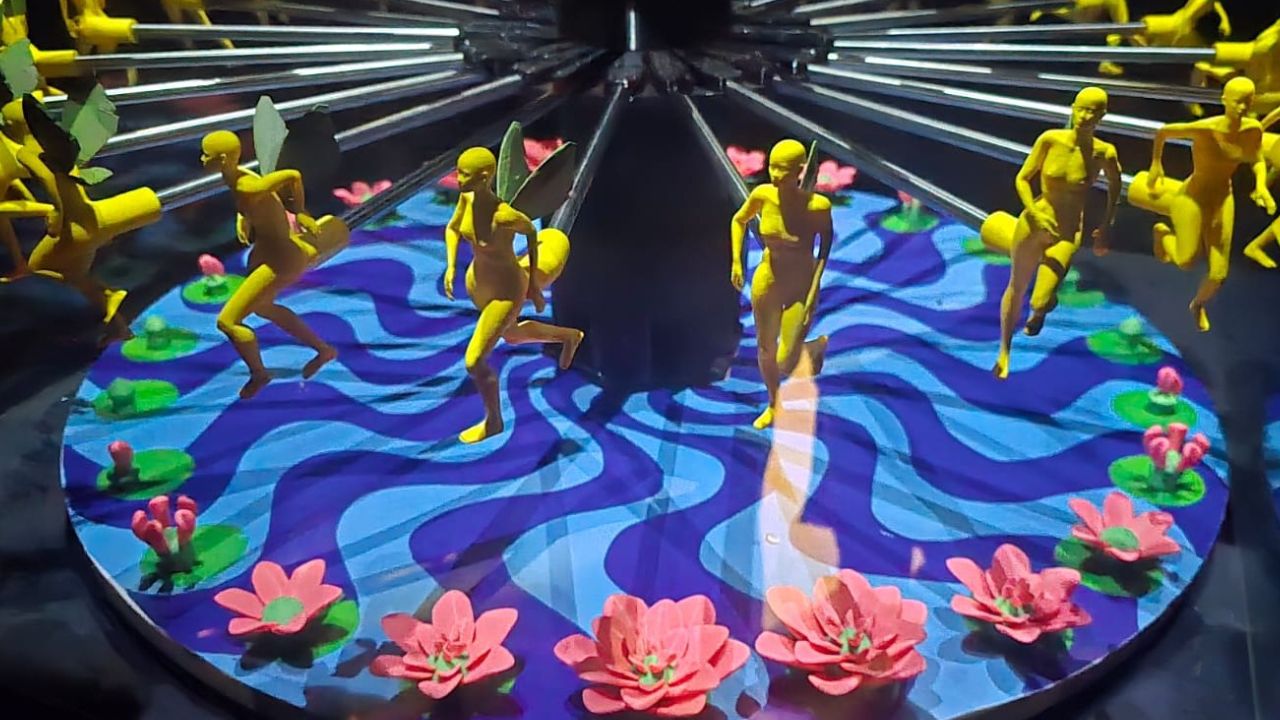
Today’s generation understands images very well. They are intelligent and technologically advanced. But one challenge is impatience. When I started, photography required film, darkrooms and patience. Every photograph involved a long process. Technology makes photography easier, but art requires dedication, observation and devotion. A meaningful photograph is not created only by pressing a button.
Of course. An artist must always remain dissatisfied. When I look at my old photographs, sometimes I think I could have used a different light, angle or composition. This feeling keeps an artist searching. Without that hunger, creativity cannot survive.
A photographer does not only take pictures; a photographer preserves memory. Written history is important, but visual history has a unique power. A photograph can take people directly into a particular time and place. Cameras may change, but meaningful images will continue to speak across generations.
Every person has a unique identity, and my photography also has its own identity. A signature is not something written with a pen. It means a style and a way of seeing. I continue exploring new ideas, but I do not want to lose the essence that defines my work.
When I photographed artists and writers in the 1970s and 1980s, many carried out struggles and uncertainties. Their faces reflected the realities of a newly independent country. As society changed, people’s expressions and emotions also changed. A photographer is always connected with society, and those transformations naturally become part of photography.
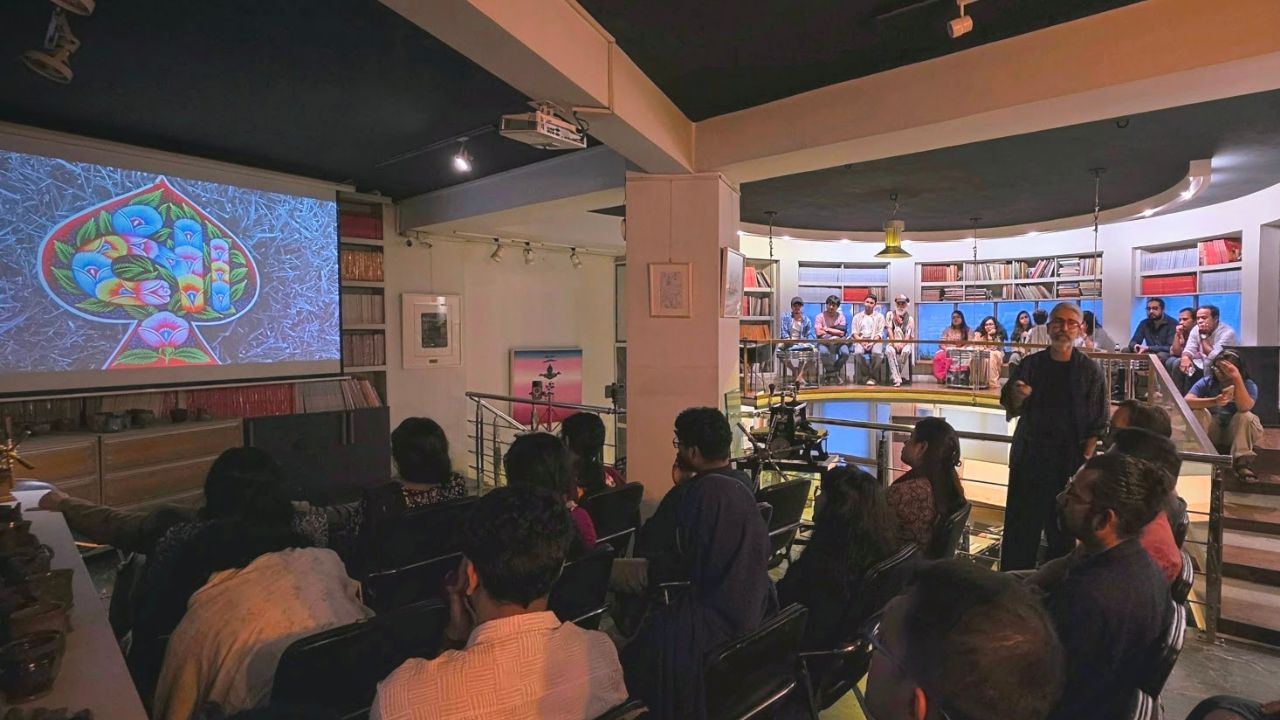
There are countless photographs that remain unseen. Even after selecting my best works, only a small portion of my collection has been exhibited. Many images are still waiting to tell their stories. I hope future generations will discover and understand them.
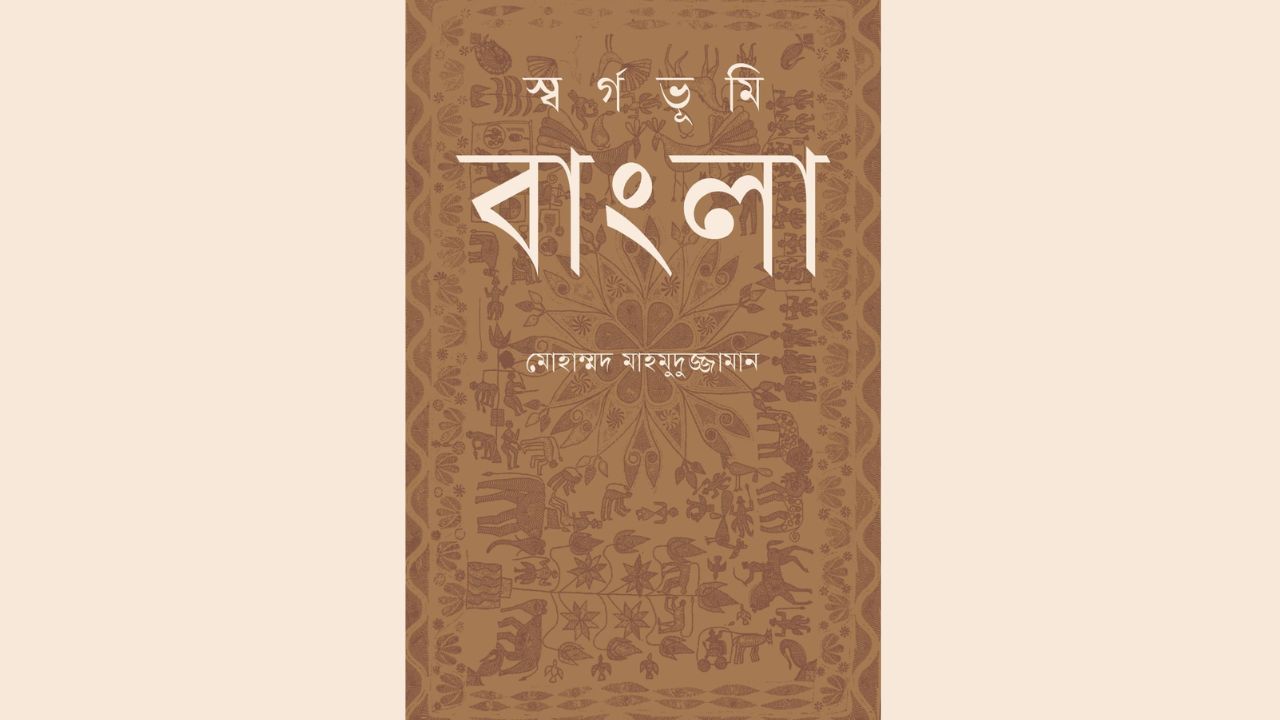
PHOTOSEUM is not only a photography museum; it is a museum of visual history. It will preserve photographs, negatives, letters, manuscripts, diaries and audio-visual materials related to important people and moments of Bangladesh. I believe this could become South Asia’s first image-based museum and a place where future generations can understand our history through visuals.
A national honour is recognition for a lifetime of dedication. I am grateful to the government, my audience and everyone who appreciated my work. An artist needs respect and recognition because, despite dedication and passion, an artist is still a human being. Without appreciation, frustration can grow.
Photography is not only about recording reality. It is about understanding time. A camera is not just a machine. When a photographer develops a deep relationship with the camera, it becomes a companion. That connection helps create meaningful images.
Education and dedication are the most important things. Remain committed to your passion. Today’s technology has created the greatest university in history. Your phone, computer and internet can teach you many things; but never surrender your curiosity and imagination to technology. Every curious person carries a zeal. To the aspiring photographers, my suggestion is that you do not hand your soul over to corporate tycoons such as Mark Zuckerberg, Elon Musk or anyone else. Use technology as a tool but keep your creativity and freedom of thought in your own hands.