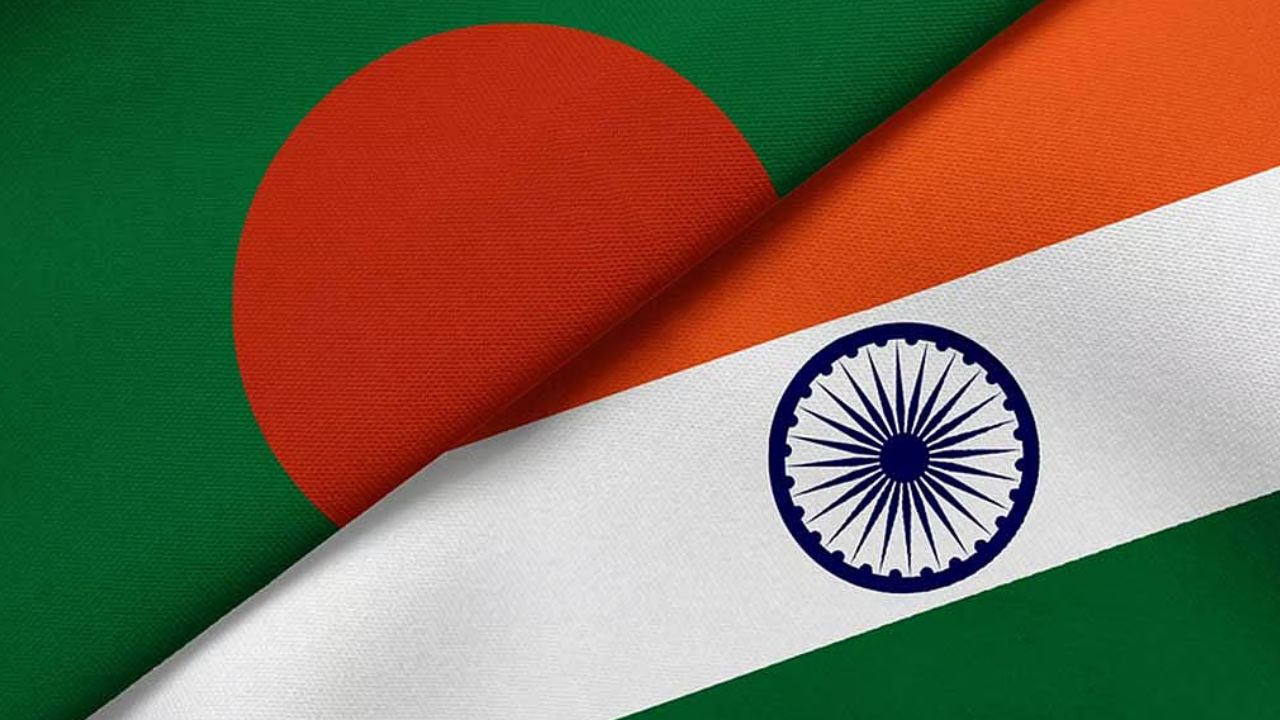
India has not budged on the extradition of ousted prime minister Sheikh Hasina, with New Delhi continuing to signal reluctance to hand her over to Bangladesh.
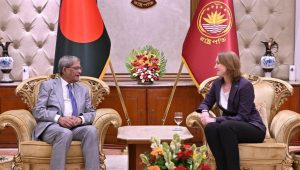
The issue was raised again during a meeting between Foreign Minister Khalilur Rahman and his Indian counterpart S Jaishankar on 8 April in Delhi.
According to a press release from the Ministry of Foreign Affairs, Dhaka reiterated its request for the extradition of Hasina and former home minister Asaduzzaman Khan Kamal, both sentenced to death for crimes against humanity by the International Crimes Tribunal.
However, the statement made no mention of India’s response—an omission that underscores the sensitivity of the issue.
On the other hand, Bangladesh expressed optimism over the extradition of the suspected killers of Inqilab Moncho organiser Osman Hadi, who were arrested in India.
The press release said Khalilur thanked the Indian government for apprehending the suspects and noted that both sides agreed the individuals would be returned to Bangladesh in accordance with the extradition treaty between the two countries.

Bangladesh formally sought the extradition of Hasina and Kamal in November 2025 following their convictions over the crackdown on protesters during the July 2024 uprising, which reportedly left more than 1,400 people dead.
Although the two countries signed an extradition treaty in 2013, later amended in 2016, India has maintained that the matter remains under legal review.
Indian Foreign Secretary Vikram Misri previously described the issue as a “judicial and legal matter”, while observers suggest New Delhi is unlikely to proceed, citing concerns over political motivations.



For the ruling BNP, however, the extradition of Hasina carries significant political weight, reflecting strong expectations among its support base that she should face justice in Bangladesh.
Hasina fled to India following the uprising on 5 August 2024, and Kamal later took shelter there as well.
While both Dhaka and New Delhi have signalled a willingness to maintain dialogue, the unresolved extradition issue, lingering mistrust and lack of clarity on key bilateral concerns suggest relations remain in a delicate phase.
The coming months will be crucial in determining whether the two neighbours can move beyond political sensitivities towards a more stable and cooperative partnership.
Trust deficit clouds engagement
The visit took place against the backdrop of a deepening trust deficit between the two neighbours. In Bangladesh, there is a growing perception that India disproportionately favoured the Awami League during its long tenure in power and may continue to prioritise its own strategic interests over Dhaka’s concerns.
Conversely, Indian policymakers are seen to have invested heavily in relations with the Awami League over the past 17 years, with limited engagement with other political forces. This legacy now complicates efforts to rebuild a balanced and sustainable relationship.
Notably, official statements from both sides following the visit offered little indication that these underlying concerns were substantively addressed.
Stalled sectoral cooperation
Beyond political tensions, sectoral cooperation between the two countries appears to have slowed significantly since the change of government in Bangladesh. Over the past 20 months, bilateral engagement has remained limited, with several joint initiatives stalled.
Dhaka’s statement focused mainly on energy cooperation, driven by immediate needs, while avoiding broader areas of collaboration. In contrast, India’s Ministry of External Affairs signalled willingness to revive engagement, noting both sides agreed to explore proposals through existing bilateral mechanisms.
This suggests platforms such as the Joint Consultative Commission could be reactivated in the near future.
Mixed signals on future engagement
Despite ongoing diplomatic exchanges, the trajectory of Bangladesh-India relations remains uncertain. The pace of progress is unclear.
Traditionally, the first bilateral visit of a newly elected Bangladeshi prime minister to India signals strong political intent. The absence of such an announcement suggests both sides may prefer a cautious, gradual approach.
Key issues, including water sharing—particularly the Ganges Water Treaty—and border management, were notably absent from public discussions, despite their longstanding importance.
In a letter dated 16 February, Indian Prime Minister Narendra Modi expressed interest in expanding cooperation in trade, connectivity, energy and cultural exchange. However, the absence of references to contentious issues such as water sharing and border security reflects the cautious tone shaping current engagement.