Amnesty International has cautioned that Bangladesh may see further serious human rights violations unless Meta takes timely and effective action to address harmful content circulating on Facebook.
Alia Al Ghussain, head of Big Tech Accountability at Amnesty International, said, “Bangladesh is not yet in a human rights crisis, but the warning signs are visible. The combination of cross-border harmful content, political tension, sectarian narratives, and algorithmic amplification creates a volatile environment that could put freedom of expression and the rights of minority communities at risk.”
Ahead of the 12 February parliamentary elections, Amnesty and other observers noted a surge in dangerous online material, some originating outside Bangladesh. This included misleading and inflammatory posts targeting political parties and minority groups, as well as sectarian narratives that deepen divisions between communities.
Media reports suggest much of this external content came from India. Such material, Amnesty warned, could fuel discrimination, sectarian strife, and violence, particularly against minorities.

Recent incidents, including attacks on Bangladeshi media outlets, echo patterns seen in other countries where online incitement, disinformation, and harassment campaigns have spilled into real-world violence.
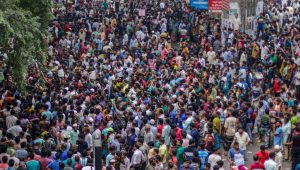
On 18 December 2025, violent mobs attacked the offices of The Daily Star and Prothom Alo. Investigations by The Daily Star and fact-checking group Dismislab found that threats against the outlets had circulated on social media for months. Posts branded them as “Indian agents” and “anti-national forces,” with calls to burn and attack their offices.
Investigators concluded there was a direct link between online incitement and the mob violence. Authorities in Bangladesh reportedly warned Meta about delays in removing posts that encouraged attacks, raising concerns about public safety and risks to minority communities.



Amnesty said that these are not isolated events. International reports have previously highlighted how online disinformation, often exaggerating sectarian violence and sometimes originating from India, has heightened fear and tension among minorities.
“The risk is clear that online harms do not remain in the digital space. They can shape public perception, inflame tensions and enable real-world violence and unrest,” said Alia Al Ghussain.
“This is a moment for prevention and taking responsibility for the power that social media companies wield in this space. The world has seen too often how harmful online content can evolve into real-world violence. There is still an opportunity to stop that trajectory in Bangladesh, and it is up to Meta to take action now.”
Amnesty pointed to Facebook’s role in past crises, including violence against the Rohingya in Myanmar and abuses during Ethiopia’s Tigray conflict, warning that Bangladesh is at a critical juncture where Meta’s timely intervention could prevent escalation.
Meta’s Business Model and Responsibility
Amnesty also criticised Meta’s surveillance-driven business model, which prioritises engagement and can amplify sensational or divisive content. Even lawful material, when algorithmically boosted, can pose human rights risks.
The organisation has previously urged platforms to adopt emergency safeguards in conflict-prone contexts. Meta itself has acknowledged the need for “break the glass” measures in high-risk situations. Amnesty argued that the current warning signs in Bangladesh demand urgent application of such safeguards.
On 10 February, Amnesty wrote to Meta asking what steps it would take to prevent Facebook from becoming a human rights risk during the elections, including how it assesses threats to vulnerable groups and whether it had identified cross-border content affecting Bangladeshi users. Meta responded that it could not reply within the two-week deadline.
Under international standards, companies are obliged to respect human rights by proactively preventing and mitigating harms linked to their operations. This responsibility exists independently of state regulation and requires ongoing risk assessment, transparency, and effective safeguards.
Amnesty has also requested Meta provide data on harmful content targeting minorities, details of enforcement actions, Bangla-language moderation capacity, and whether emergency measures were deployed ahead of the elections.