


Bangladesh’s first children’s film, ‘Emiler Goenda Bahini’, set a precedent, but since its release in 1986, only a handful of children’s films have followed and most have struggled to capture the hearts of young audiences.
‘Dipu Number Two’ is a rare exception. It remains arguably the most beloved children’s film in Bangladesh, distinguished not only by its popularity but also by its production quality.
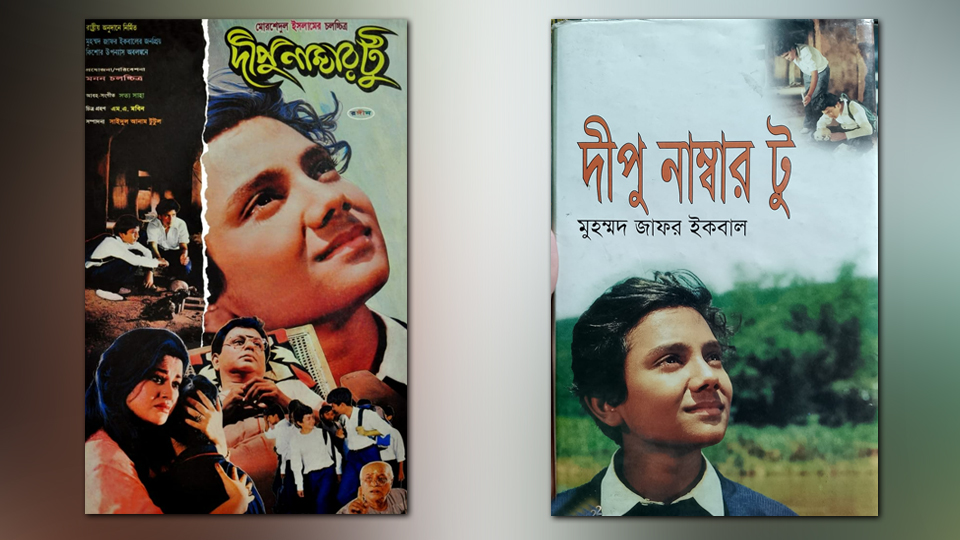
The story of Dipu Number Two originated as a juvenile novel by Muhammed Zafar Iqbal, published in the Eid issue of Kishore Bangla in 1981 and released as a book in 1984. On December 13, 1996, Morshedul Islam adapted it for the screen.

Zafar Iqbal has described how the character of Dipu emerged from his own loneliness. “When I was completing my Ph.D. in Physics in the US, I was completely alone. There wasn’t a single person who spoke Bengali. The intense pressure of study, the grey skies of Seattle, the drizzle, the bitter cold, all combined to create a very depressing environment. To cope with the loneliness, I imagined a teenager. I named him Dipu. When I was sad, that teenager would keep me company.”



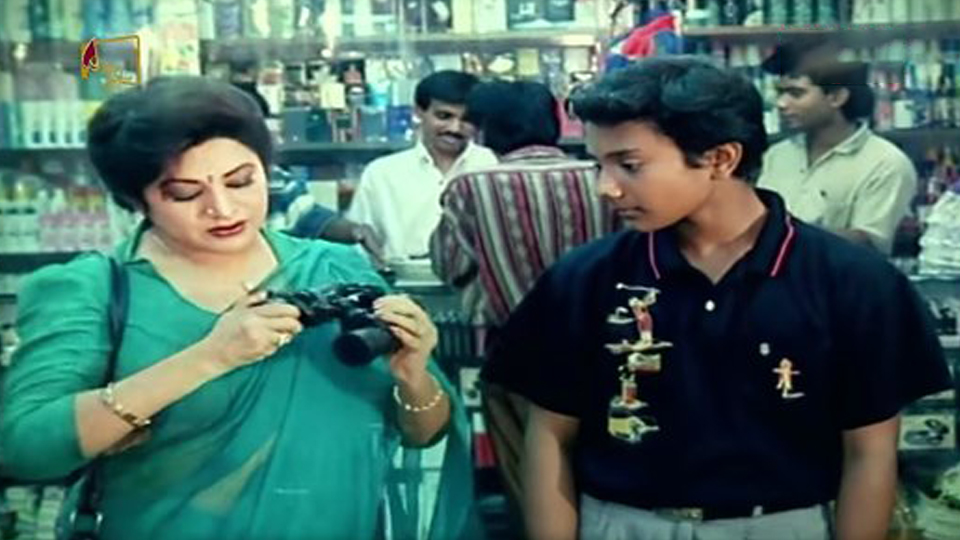
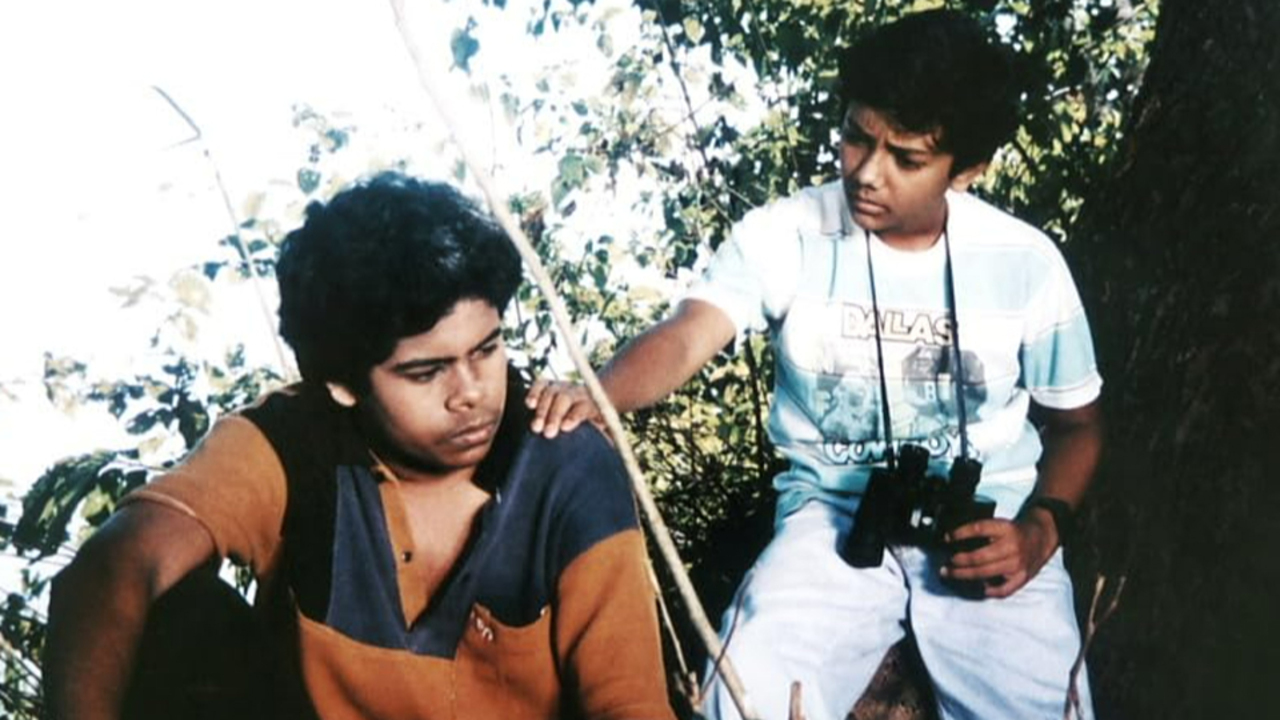
In the story, Dipu is a lonely boy due to family circumstances. He lives with his father, as his mother is absent. His father dislikes staying in one place for more than three months, yet Dipu remains in each location for a year, requiring him to change schools annually. At his new school, he befriends the mischievous Tariq. One day, while exploring a forest with friends, they encounter a dangerous trafficking gang, a moment that injects suspense into the narrative.
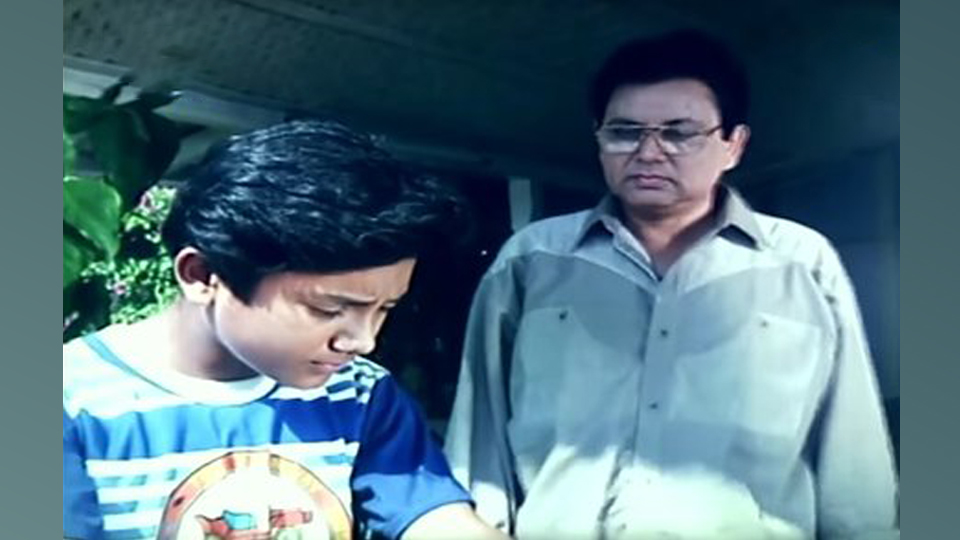
The film was initially meant to be directed by the late Saidur Rahman Tutul. In a 2018 interview, Tutul revealed that when Morshedul Islam took on the project, he himself handled the editing. Beyond Islam’s masterful direction and editing, the film’s timeless appeal owes much to Satya Saha’s evocative music and the performances of legendary actors including Bulbul Ahmed, Babita, Abul Khair, Golam Mustafa and Dolly Zahur.
At the 1996 National Film Awards, Dipu Number Two won two honours: Best Child Actor for Arun Saha and Best Supporting Actor for Bulbul Ahmed.
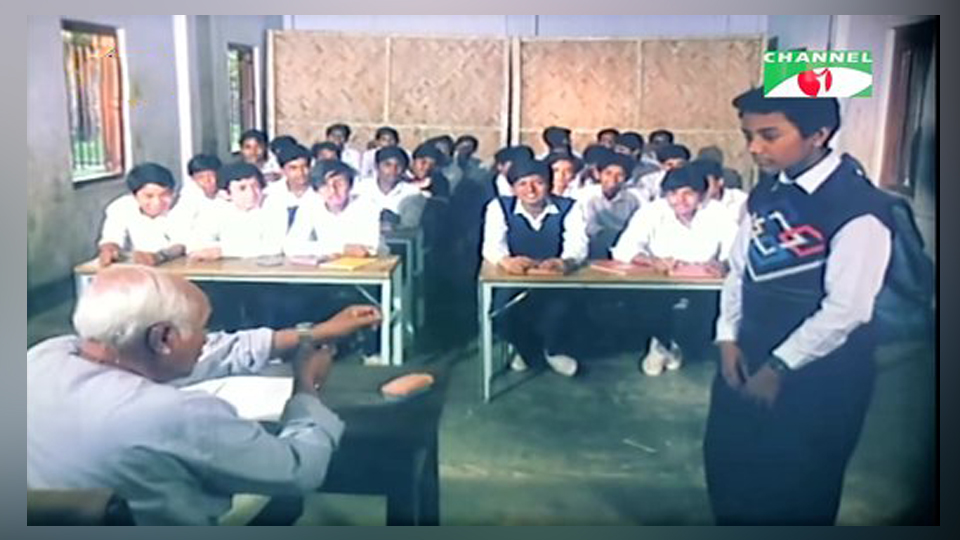
The characters Dipu and Tariq, portrayed by Arun Saha and Shuvashish, remain etched in the audience’s memory. The end of their friendship, caused by Dipu’s school transfer, is a poignant moment no teenager easily forgets. The tensions, pride and stubbornness of Dipu, along with his mother Mrs Rowshan’s love, remind society of the unconditional and essential role of a mother’s care.
As a film, Dipu Number Two childhood experiences: school life, minor quarrels, the thrill of play, the courage to attempt the impossible and the rediscovery of parental love. It is, ultimately, a story that stays with us forever: a memory, a feeling, a part of growing up.