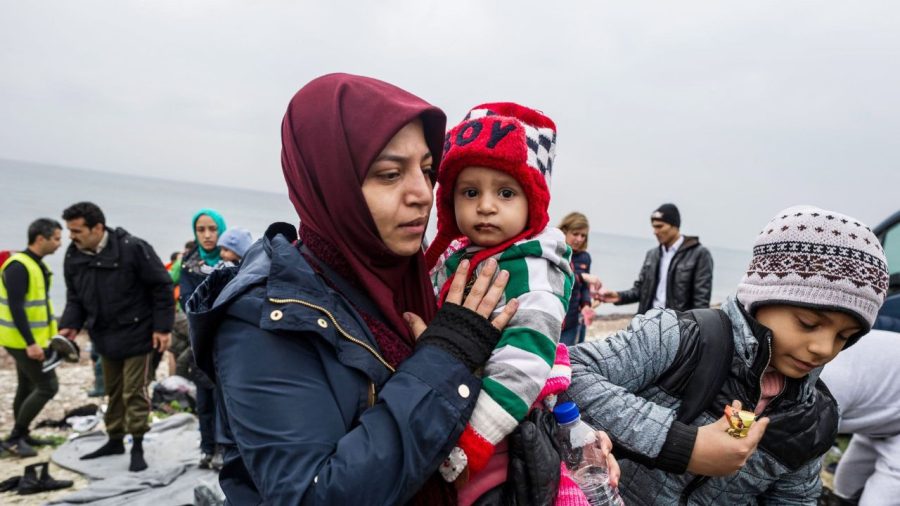

Asylum applications submitted by Bangladeshi nationals in European Union and associated countries (EU+) rose by 13 per cent in the first half of 2026, bucking an overall declining trend across the bloc.
According to the 2026 Mid-Year Review of the Latest Asylum Trends published by the European Union Agency for Asylum (EUAA) on Thursday, Bangladeshis lodged 20,000 applications between January and June 2026, maintaining their position among the top applicant nationalities.
However, the prospects of obtaining international protection remain extremely slim for Bangladeshi applicants. Under the Asylum Procedure Regulation, which began to apply on 12 June 2026, mandatory border and accelerated examination procedures are enforced for applicants from nations with an EU average first-instance recognition rate below 20 per cent.
In the first half of 2026, the first-instance recognition rate for Bangladeshi applicants, alongside groups such as Venezuelans and Egyptians, stood at less than 5 per cent.
Nearly 56 per cent of all EU+ asylum applications during this period were submitted by citizenships subject to these accelerated procedures, which also included Turks who had an 18 per cent recognition rate.

In addition, Bangladeshi nationals accumulated one of the largest backlogs of unresolved claims in the region. By the end of June 2026, 36,000 applications from Bangladeshis remained pending at first instance.
Overall, Venezuelans recorded the highest pending first-instance caseload at 129,000, which rose sharply by 14 per cent, followed by Syrians (76,000), Colombians (64,000), Peruvians (38,000), and Bangladeshis (36,000).
Overall EU trend declines
Across the EU+ as a whole, member states received approximately 332,000 applications for international protection in the first six months of 2026, a 17 per cent drop compared to the same period in 2025. This marks the lowest first-half total recorded since 2021, extending a downward trajectory observed since late 2024.




The EUAA attributed the overall decrease to shifting applicant demographics linked to a fragile political transition in Syria, as well as enhanced cooperation between the EU and countries of origin and transit.
The recent escalations of hostilities in the Middle East have not translated into an increase in asylum applications in the EU+.
Among other leading applicant nationalities, Afghan applications fell by 7 per cent year-on-year to 39,000, following a surge in late 2025 largely driven by repeated applications from Afghan women already in the EU+.
Venezuelan applications decreased by nearly a third to 33,000, with 93 per cent of those claims lodged in Spain.
France received the largest share of applications in the EU+ with 69,000 claims, representing one-fifth of the total. It was closely followed by Italy (66,000), Spain (55,000), and Germany (55,000).
Together, these four countries accounted for around three-quarters of all applications, representing a slight recession from the four-fifths share in previous reporting periods. Greece recorded the highest number of claims per capita, receiving 23,000 applications—around 1 for every 400 residents.
Recognition rates and backlog
The overall EU+ recognition rate at first instance stood at 31 per cent during the first half of 2026, with authorities continuing to grant refugee status more frequently than subsidiary protection.
Across all EU+ countries, pending cases at first instance dropped by 8 per cent year-on-year to around 770,000 at the end of June 2026. When combining all administrative and judicial instances, total pending cases were estimated at 1.18 million.
Older cases pending for more than six months represented 73 per cent of the total backlog, up from 68 per cent a year earlier.
The EUAA noted that data from the 2026 Mid-Year Review serves as the final dataset under the EU’s previous asylum rules before the application of the new Pact on 12 June 2026.