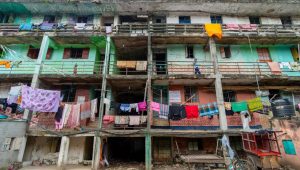

Once an omnipresent wake-up call and the tireless sanitation crew of the capital, Dhaka’s crow population is quietly thinning out. For generations, the ubiquitous house crow and the larger jungle crow have defined the city’s dawn skyline, nesting by the hundreds in leafy canopies and cleaning up the overflow of urban living.
Today, across traditional hubs like Old Dhaka, Dhanmondi, and the Dhaka University campus, the once deafening evening roosts have shrunk into sparse, scattered clusters.
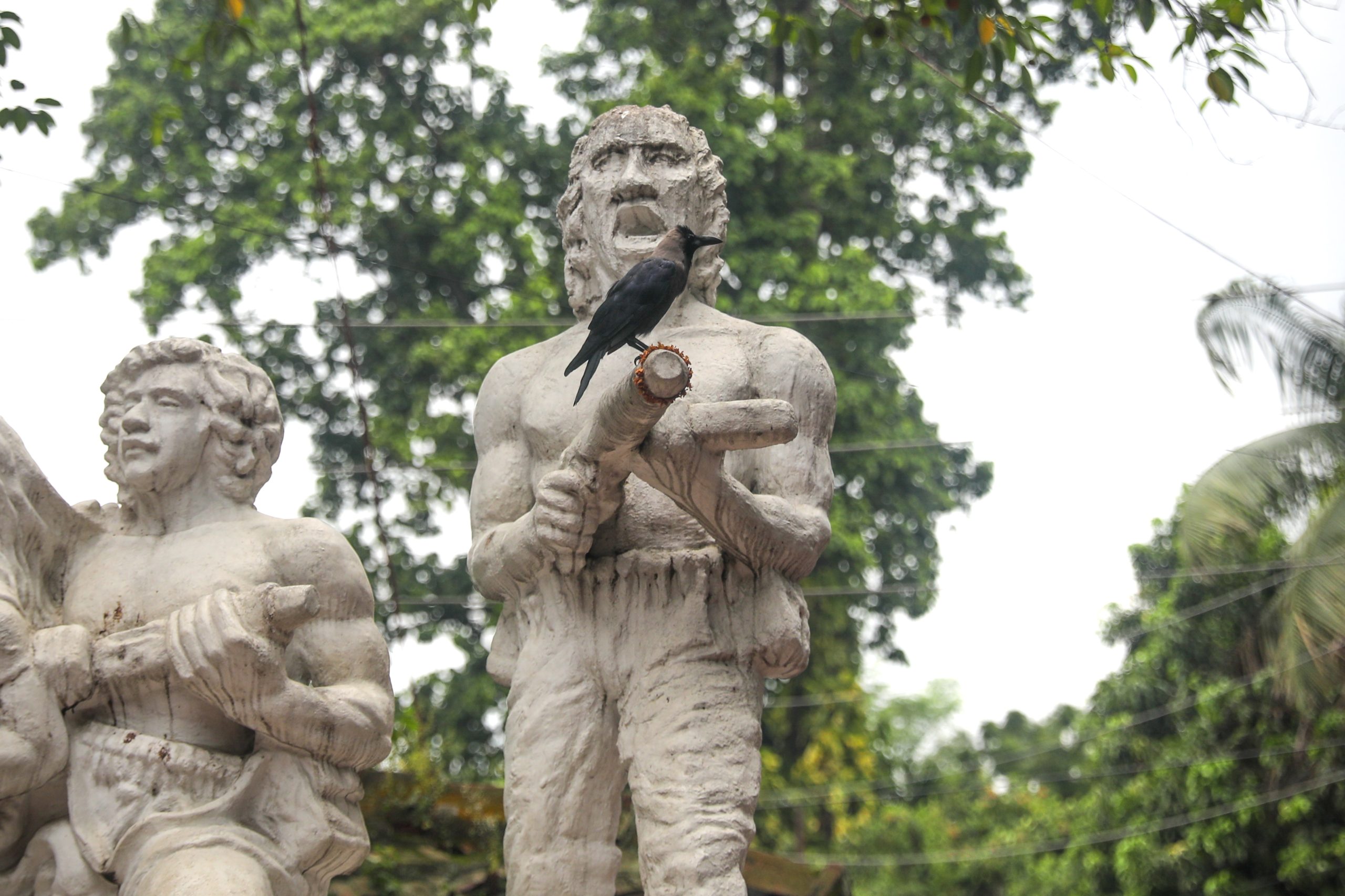
Behind this silent exodus lies the relentless march of urbanisation. As mature banyan, neem, and rain trees are felled to make way for high-rise developments and elevated expressways, the birds are stripped of essential nesting habitats.

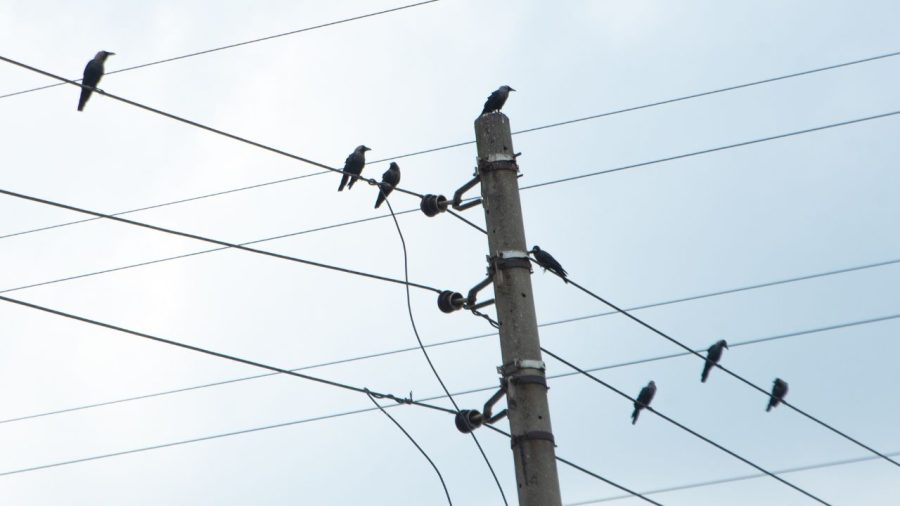
The replacement of leafy avenues with glass facades, high-voltage overhead cabling, and an intensifying network of mobile telecommunication towers has transformed Dhaka’s airspace into a hazardous obstacle course, disorienting the birds and causing frequent fatal collisions.
The crisis extends to their food web. While crows are renowned for their adaptability and scavenge aggressively in waste bins, riverbanks, and open markets like Karwan Bazar, the city’s waste has become increasingly lethal.



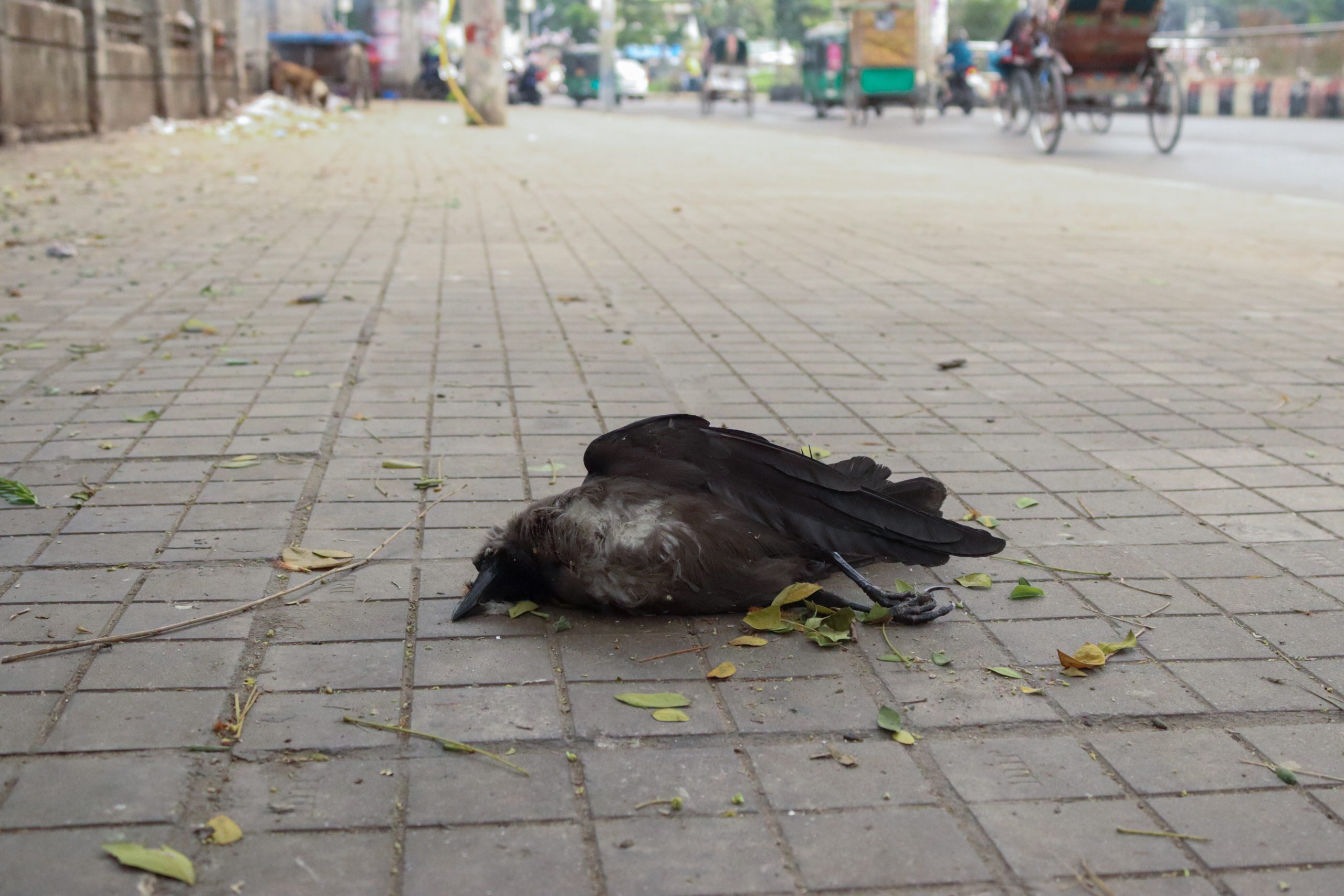
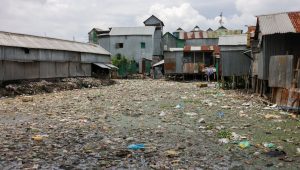
The ingestion of microplastics, chemical-laden food waste, and pest-control poisons has led to widespread mortality. Carcasses of adult crows found on concrete footpaths without visible trauma point directly to environmental toxicity and water pollution along degraded waterways like the Buriganga.
The disappearance of the crow carries severe ecological consequences for a mega-city already struggling with municipal waste management. As natural scavengers, crows consume organic refuse, dead rodents, and market offal before pathogens can spread.
Their dwindling presence leaves a critical gap in the urban food chain, creating fertile ground for disease outbreaks and unchecked pest populations.
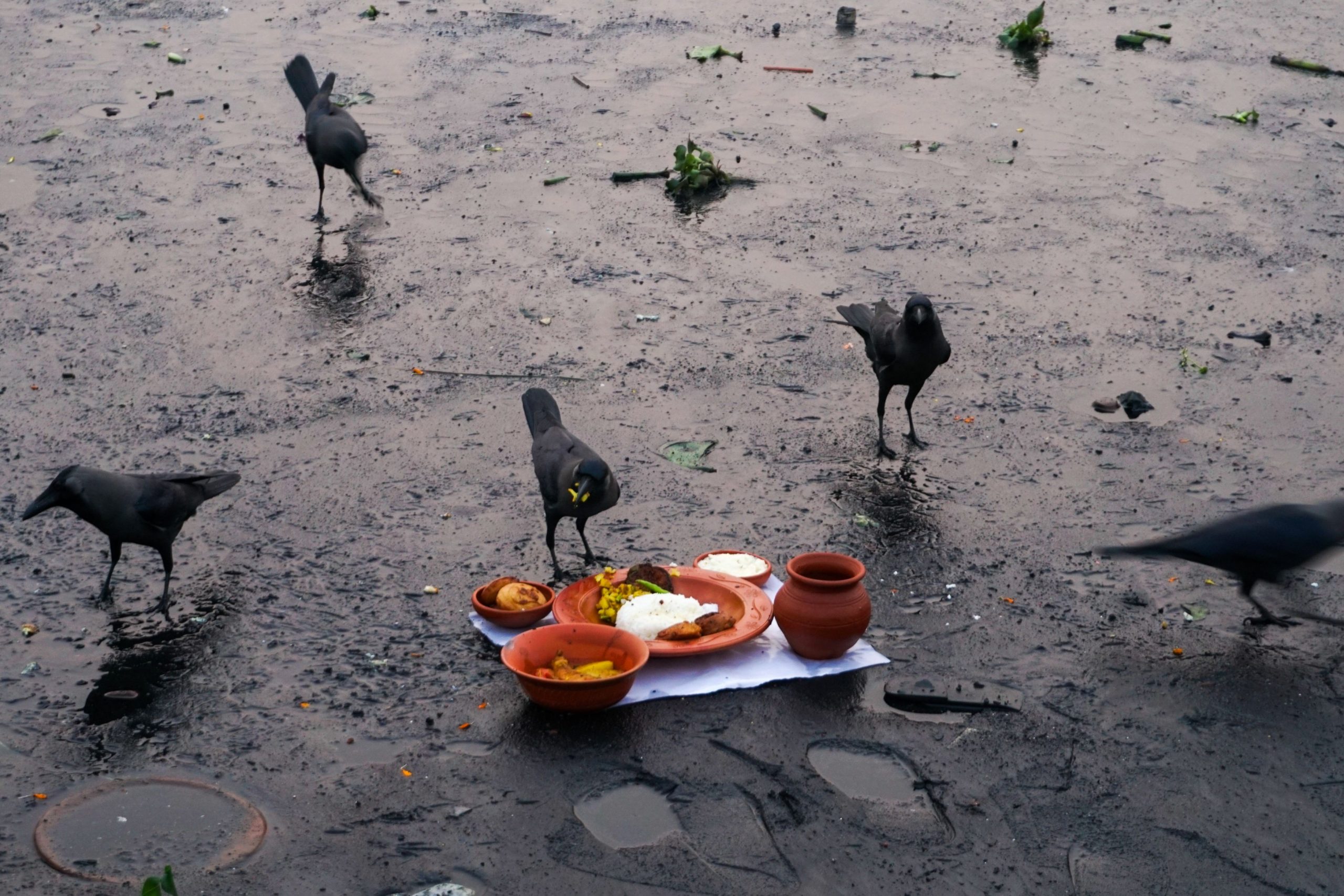
Unless urban planners prioritise green corridors, preserve mature heritage trees, and curb hazardous environmental pollution, Dhaka risks losing its most resilient feathered residents. The vanishing caw of the crow is more than the loss of a familiar bird; it is a stark ecological warning that the capital is becoming uninhabitable for the very creatures built to survive alongside us.
For a city that often measures its progress in concrete and glass, the silence of the crows is a reminder that some losses cannot be paved over.