Winter arrives quietly in Dhaka, but the air turns heavy. A grey haze settles over roads, rooftops and neighbourhoods. Pollution levels rise sharply during these months. Air Quality Index (AQI) readings regularly cross safe limits, pushing the city into “unhealthy” and “very unhealthy” zones. For millions, breathing clean air becomes a daily struggle.

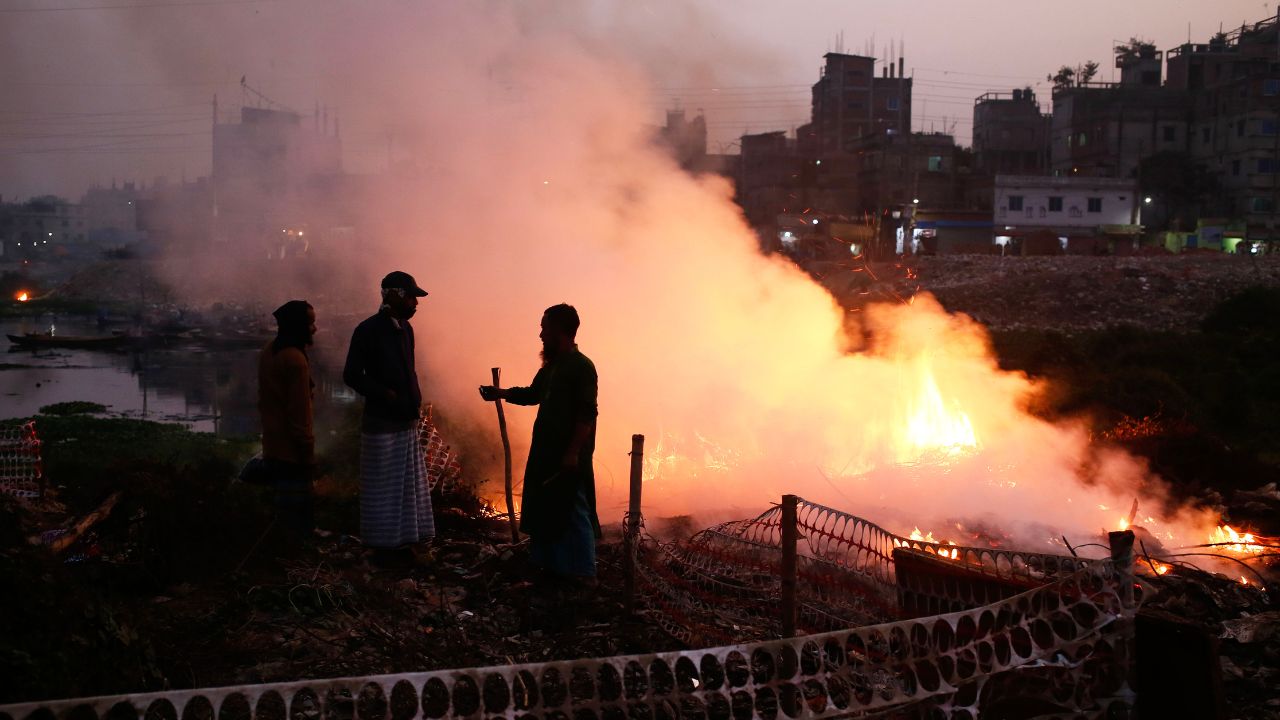
Dry winter air and the absence of rain trap pollutants close to the ground. While traffic and construction are familiar culprits, one serious contributor often goes unnoticed: open burning of waste. Piles of trash are burned on roads, near homes, schools, at landfill sites, everywhere. People burn plastic bags, packaging, tyres, and mixed household waste. This is done to reduce waste volume or simply because proper disposal is lacking.

Burning waste is illegal under the Air Pollution Control Rules, 2022. The law clearly bans burning on roads and open spaces. Violations can lead to a fine of Tk 2,00,000 or even two years of jail time. But enforcement is weak and irregular.


When plastic and other waste burn, toxic chemicals go into the air. These include dioxins, carbon monoxide, sulphur dioxide, heavy metals and more. These substances are not just dusty smoke. They are poisonous gases that damage the lungs and vital organs.



Open burning releases toxic smoke. Fine particles can travel deep into the lungs. These particles are tiny and invisible, but they are incredibly damaging. Health specialists explain that high exposure increases inflammation in the airways. It also makes the lungs more vulnerable to infections and diseases like asthma and bronchitis.
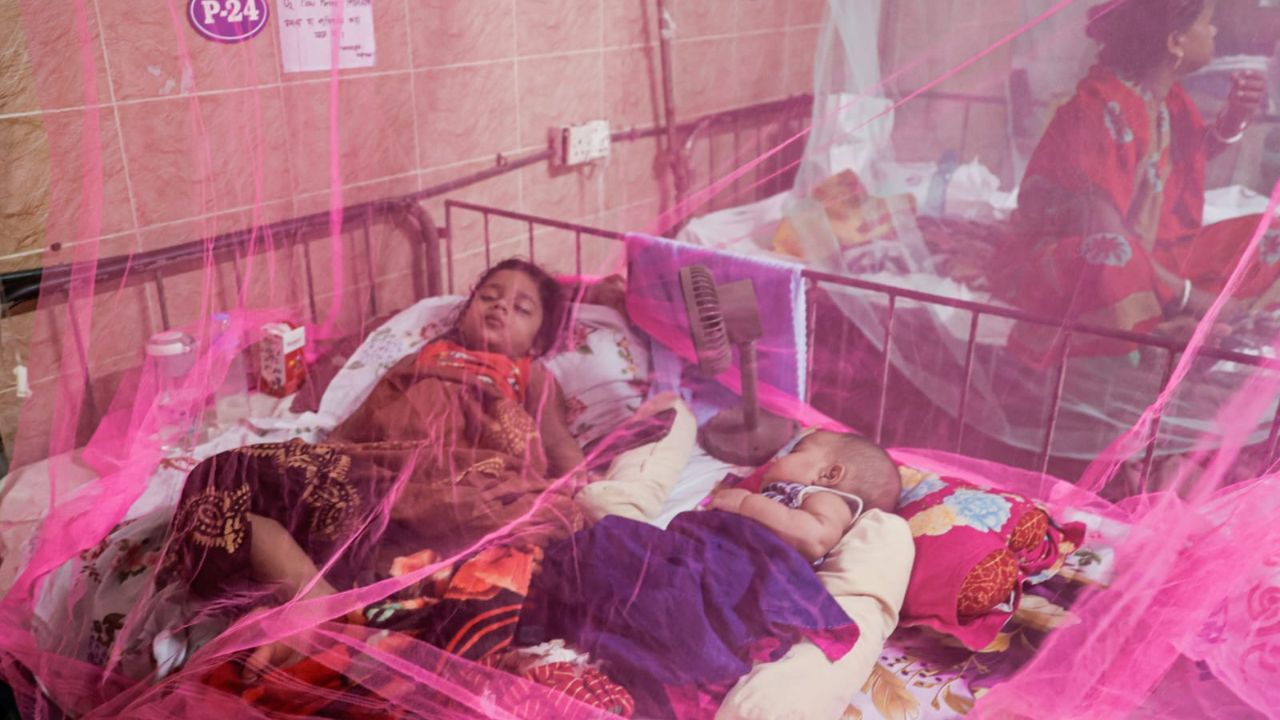
Children and the elderly are especially at risk. For them, even short exposure can trigger coughing, wheezing, and shortness of breath. Doctors say that high pollution can worsen chronic conditions like COPD and heart disease. Studies show that air pollution is linked to higher rates of hospital visits for respiratory problems during winter peaks.
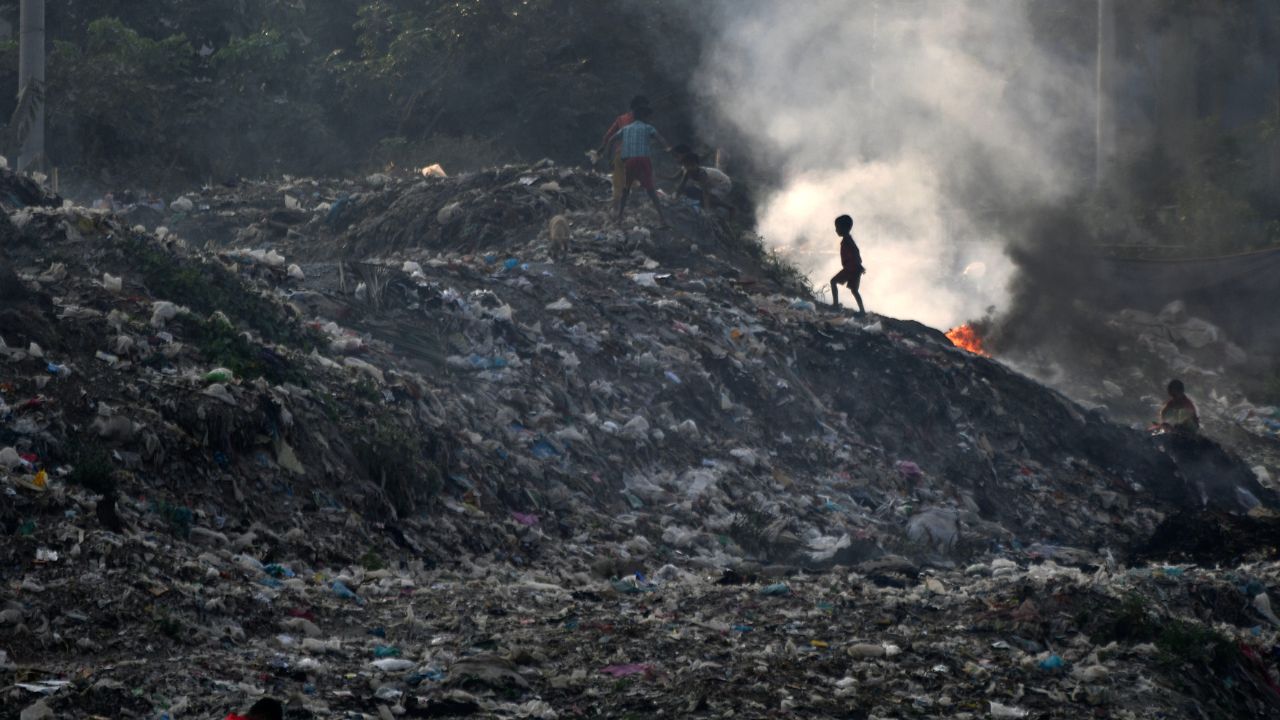
A World Bank report shows air pollution is linked to tens of thousands of premature deaths every year. Dhaka, with its dense population and mixed sources of pollution, bears one of the heaviest burdens. Yet burning waste continues. Landfills at Aminbazar and Matuail still smoke daily. People burn waste in open spaces like it’s nothing.
Stopping open burning won’t fix all of Dhaka’s air problems. But tackling it is a low-hanging step. Enforcement of laws, better waste management and public awareness could make a big difference. For now, Dhaka breathes fire and smoke with serious consequences for every resident.