


Arrogance and unchecked power cost him his ministry.
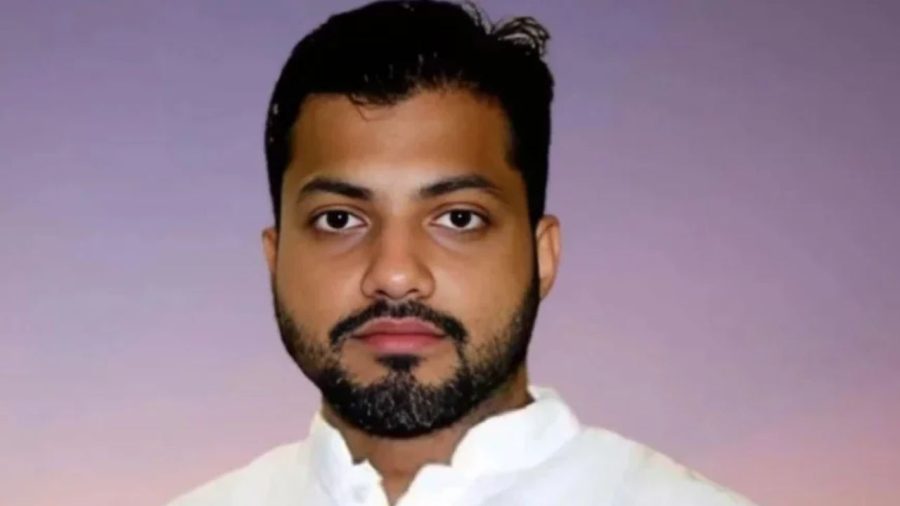
Eight months after joining the cabinet, Ishraque Hossain has stepped down as State Minister for Liberation War Affairs, within 24 hours of Prime Minister Tarique Rahman asking him to go. He loses the ministry, forced out in the face of public outcry, but remains MP for Dhaka-6.
The question is whether the fall will teach him restraint.
The early signs are not encouraging. His tone at the chaotic press conference where he announced his resignation suggests he has not absorbed the blunder. He may simply find new ways to flaunt his power, because showing off is what Ishraque does best.
The trigger for his exit was a video, widely shared on social media on Saturday, showing him carrying a firearm during an anti-drug raid in Dhaka’s Gendaria. But the raid was not an aberration.

The rise of 39-year-old politician from the streets of Old Dhaka to the cabinet has been overshadowed by a series of controversies.
After losing the 2020 Dhaka South mayoral election to Awami League’s Sheikh Fazle Noor Taposh, Ishraque fought a long legal battle.




In March 2025, after the July uprising had reshaped politics, an election tribunal declared him mayor. The oath-taking then became a standoff with the interim government. His supporters besieged the city corporation headquarters, padlocked its gates and disrupted civic services, while Ishraque threatened to swear himself in and take the mayor’s chair. His backers called it strength. Much of the public saw needless hardship, and even party colleagues questioned his maturity. He never took the chair, and he did not appear to take the lesson either.
There have been other episodes that tell the same story.
When he saluted alongside the three service chiefs at the National Martyrs’ Memorial, social media mocked him. His Facebook reply, insisting the hand was his and he would salute whenever he wished, showed defiance, not reflection.
At a July uprising commemoration, with NCP leaders already angry over a documentary, he challenged protesters on what they had done for the martyrs. Tension rose until the home minister and others stepped in. Each time, his instinct was to assert rather than de-escalate.
The firearm at Gendaria was the logical endpoint. A revolver-wielding minister joining an armed raid, taking the law into his own hands, ignored the limits of his office. It was a vivid display of showing off power, immaturity and arrogance, and a failure of foresight. A man who repeatedly met criticism with defiance had little reason to expect a different outcome.
Whatever Ishraque takes from his fall, the resignation sends a message to others.
Analysts see Tarique Rahman telling the party and cabinet that neither party identity nor political lineage will shield ministers from accountability. That matters because Ishraque embodied inherited advantage. His father, Sadeque Hossain Khoka, was a powerful BNP leader, minister and mayor of undivided Dhaka, and Ishraque built his career on the base Khoka left behind. Removing him shows dynastic credentials confer no immunity. It also answers public expectations that have risen since Sheikh Hasina’s authoritarian rule fell in 2024: citizens want politicians to abandon force, abuse of authority and self-promotion.
Still, the resignation is not a full answer. Whether the law was broken at Gendaria needs impartial investigation, and the police role and local allegations demand transparency. The drive against drugs remains urgent and must not be discredited by this episode.
So, the question stands. Ishraque has lost his ministry, not his seat or his following, and the incentives to change are weaker than the habits that brought him down. The real test is whether this fall instils restraint in him and whether his removal becomes a standard rather than an exception.
M Abul Kalam Azad is Acting Editor of Daily TIMES of Bangladesh.