


Bangladesh’s balance sheet at the 81st United Nations General Assembly contains a clear diplomatic achievement alongside a harder question: how much of her increased visibility will translate into tangible improvements in people’s lives?
The strongest institutional gain was secured before world leaders gathered in New York.
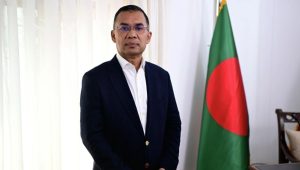
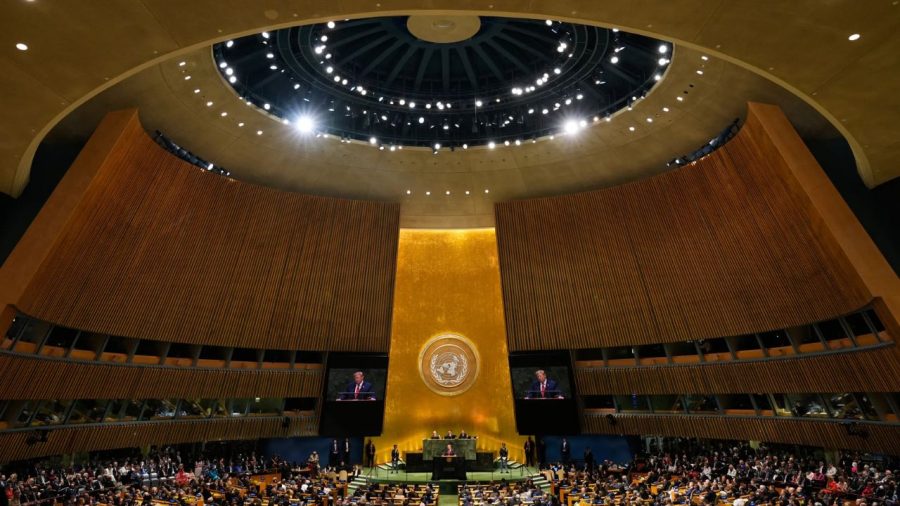
On June 2, Bangladesh’s Foreign Minister Dr Khalilur Rahman was elected president of the General Assembly’s 81st session, receiving 99 votes against the Cypriot candidate’s 91.
His presidency began in September, giving Bangladesh a prominent association with the leadership of the world’s most representative diplomatic forum.
That distinction carries responsibility as well as prestige.
The Assembly president serves the entire membership.
Bangladesh can benefit from the recognition surrounding the appointment, but the office cannot be treated as an instrument for securing national concessions.

Its value lies in facilitating dialogue, building trust and demonstrating diplomatic competence.
For Bangladesh, unarguably, the most urgent test remains the Rohingya crisis.
At a high-level event on September 23, Prime Minister Tarique Rahman proposed five measures covering a credible repatriation roadmap, an end to violence in Rakhine State, predictable humanitarian assistance, accountability and regional cooperation against cross-border criminal networks.
The proposal brought Bangladesh’s demand for a durable solution into renewed diplomatic focus.
Yet, a proposed roadmap is not an agreed timetable.



The reporting reviewed for this assessment doesn’t establish that the gathering produced an enforceable repatriation arrangement or secured the conditions necessary for safe return.
The continuing presence of nearly 1.2 million Rohingya refugees in Bangladesh illustrates the distance between diplomatic attention and resolution.
Engagement with the UN leadership was another useful outcome.
Prime minister Tarique Rahman’s September 24 meeting with UN Secretary General Antonio Guterres addressed the Rohingya crisis, climate change, development and Bangladesh-United Nations cooperation.
Such access creates opportunities for sustained negotiations.
The published account, however, describes discussions and commitments to cooperation rather than a quantified package of new assistance.
Economic diplomacy presents a similar distinction.
In his national statement, PM Tarique Rahman sought continued financing, market access, technology transfer and capacity building support for Bangladesh’s transition out of the least developed country category.
He also called for stronger climate finance and adaptation support.
These were significant priorities placed before the international community; the speech per se did not establish that those benefits had been secured.
The analytical conclusion, therefore, is mixed.
Bangladesh strengthened her diplomatic profile, articulating her priorities, while the material outcomes remain to be demonstrated.
That is an unfinished agenda, rather than proof that the visit achieved nothing.
The next measure of success should be public and practical.
Discussions that became written commitments, received funding and, projects which are being implemented.
For the Rohingya, it means credible protection plus a voluntary, sustainable route home.
For Bangladesh’s economy, it means usable financing, dependable trading opportunities and investment that creates jobs.
New York provided Bangladesh with a prominent platform.
The lasting achievement will depend on what her diplomacy delivers after the delegations leave.