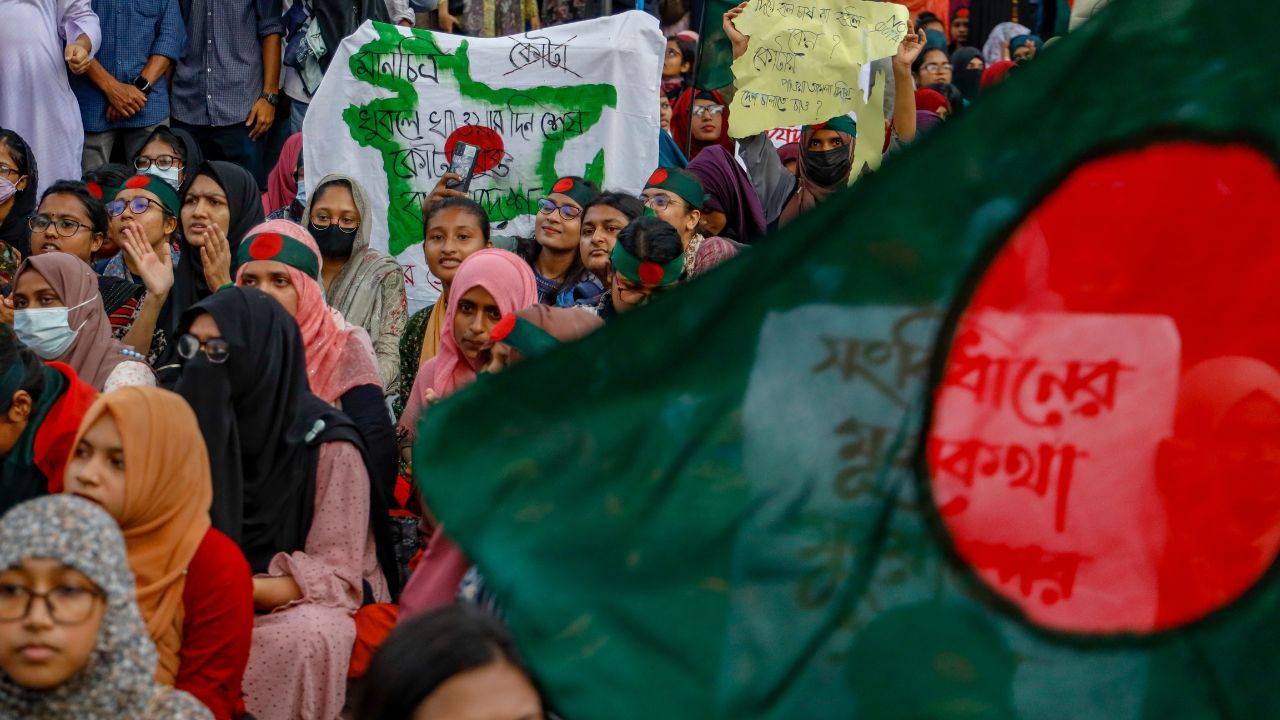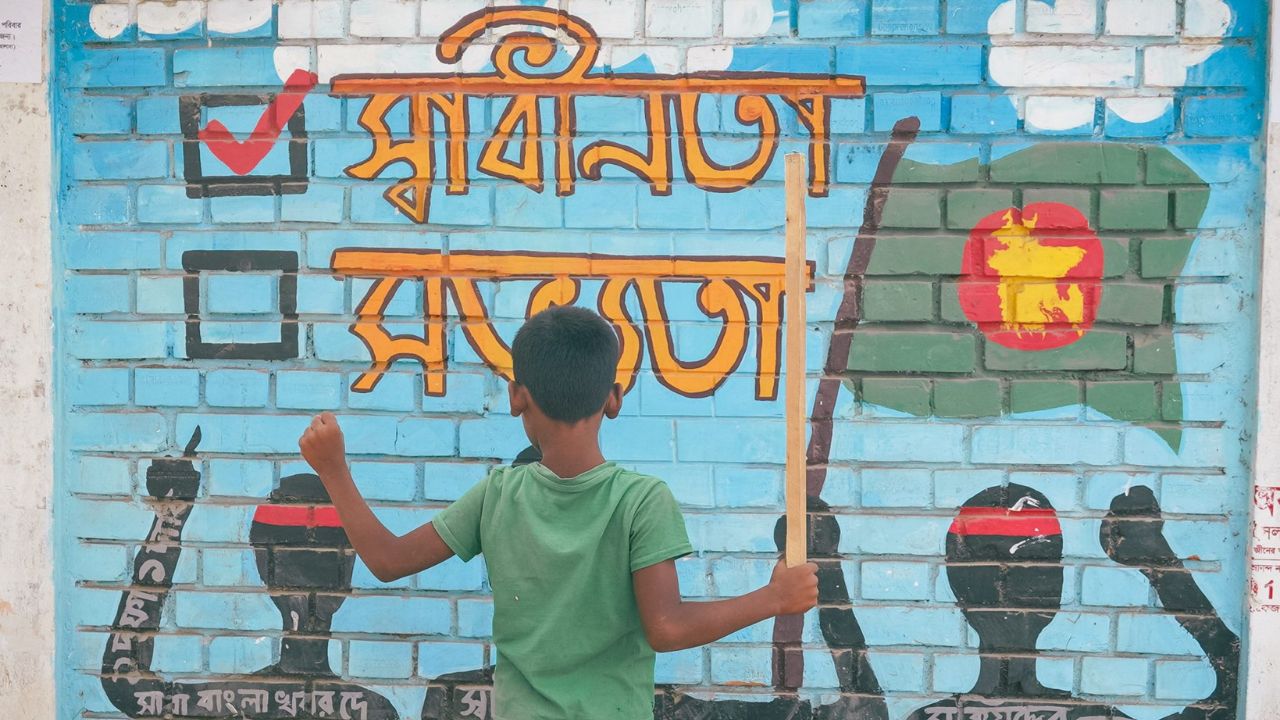
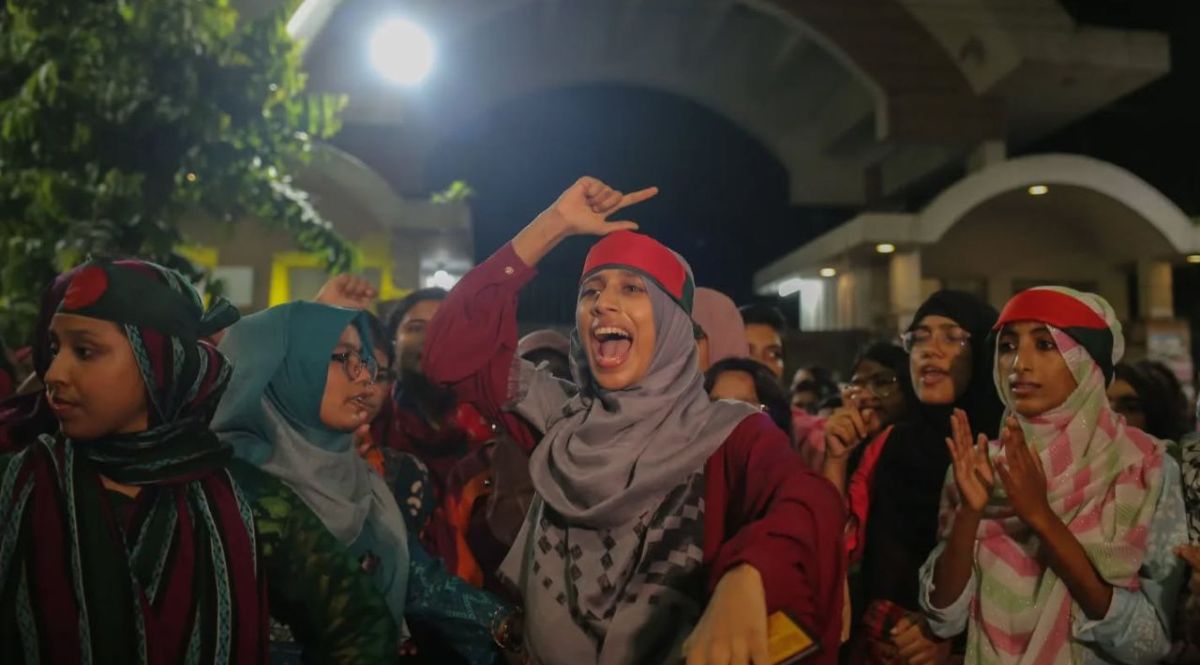

Two years have passed since Bangladesh’s July mass uprising ousted Sheikh Hasina from power. Five women who took to the streets during those historic weeks told TIMES that the expected change for which they risked everything has not been achieved.
Instead, they describe a shared experience of neglect, insecurity, disappointment and harassment that has followed them long after the celebrations of the mass uprising ended.
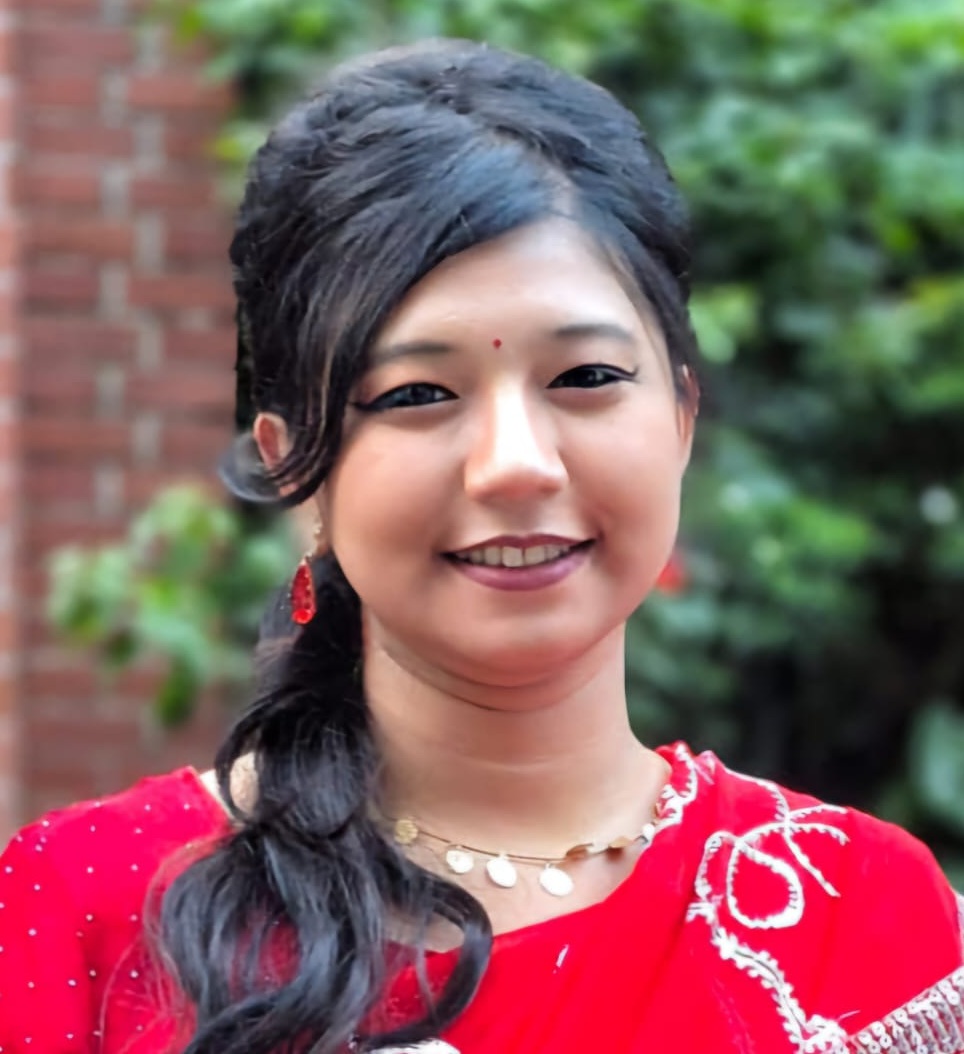
Dibanasita Hossain Dipti, a student at Government College of Applied Human Science; Swarupa Akhter, a student at Dhaka Arts College; Farhana Islam, whose speeches during the movement drew wide attention; Ritu Akter Samia, a student at Barishal University; and Afifa, a student at the University of Liberal Arts Bangladesh, each took part in the uprising for reasons unrelated to personal gain.
Two years on, all five women said they have watched the movement’s aspirations fade away, with Dipti describing it as a guise of “July business”, while others see it as a simple transfer of power that never delivered the reforms they had hoped for.
During the interviews, the women shared their experiences.
On 15 July, an attack on Dhaka University students prompted Dipti, who until then had only taken part in limited programmes in the Nilkhet area, to become actively involved in the movement.

During a programme in Dhanmondi on 18 or 19 July, police surrounded around 20 to 22 students, including Dipti. She was beaten with batons and escaped detention with the help of a rickshaw puller.
Amid victory celebrations in Dhaka on 5 August, Dipti learned, after returning from festivities at Shahbagh, that her nephew, Din Islam, had been shot in the Jatrabari area. He was later confirmed to have died from bullet injuries to the chest, arm and leg, and his name is included in the official list of martyrs.
During the final five to six days of the movement, Swarupa, who worked at BDR Shimanto Sambhar Market alongside her studies and had not previously participated regularly, became actively involved.
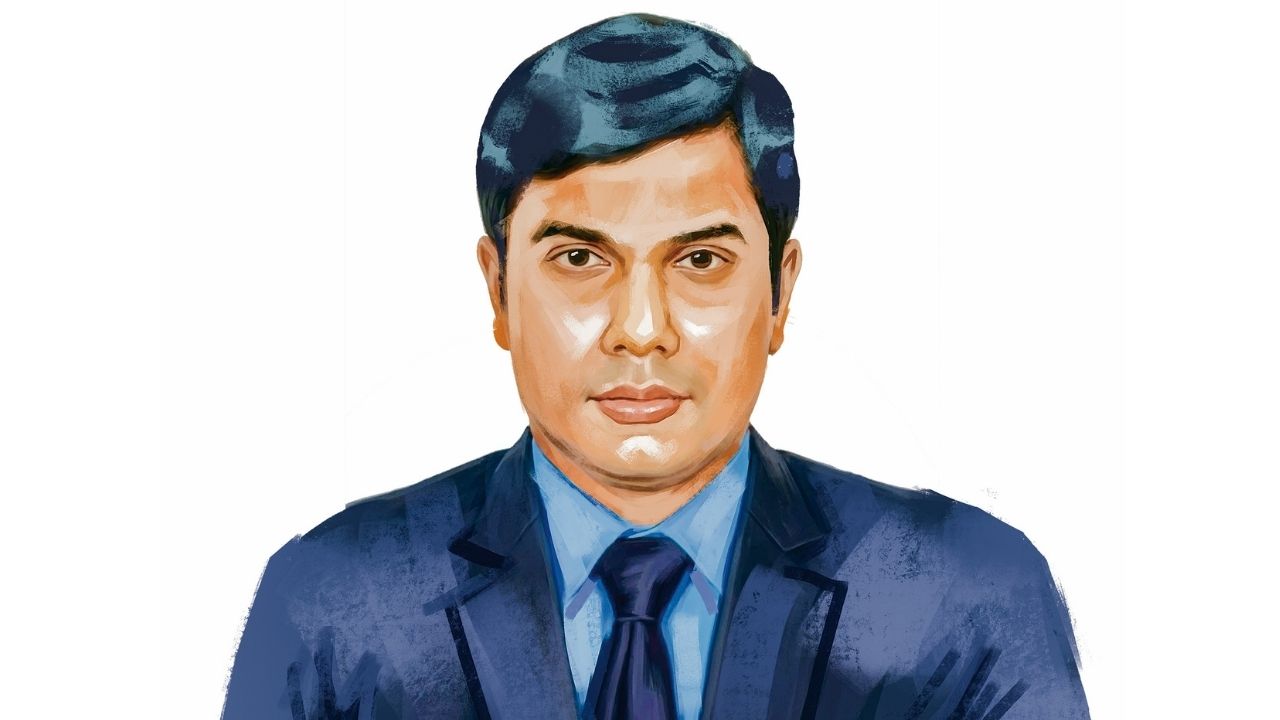

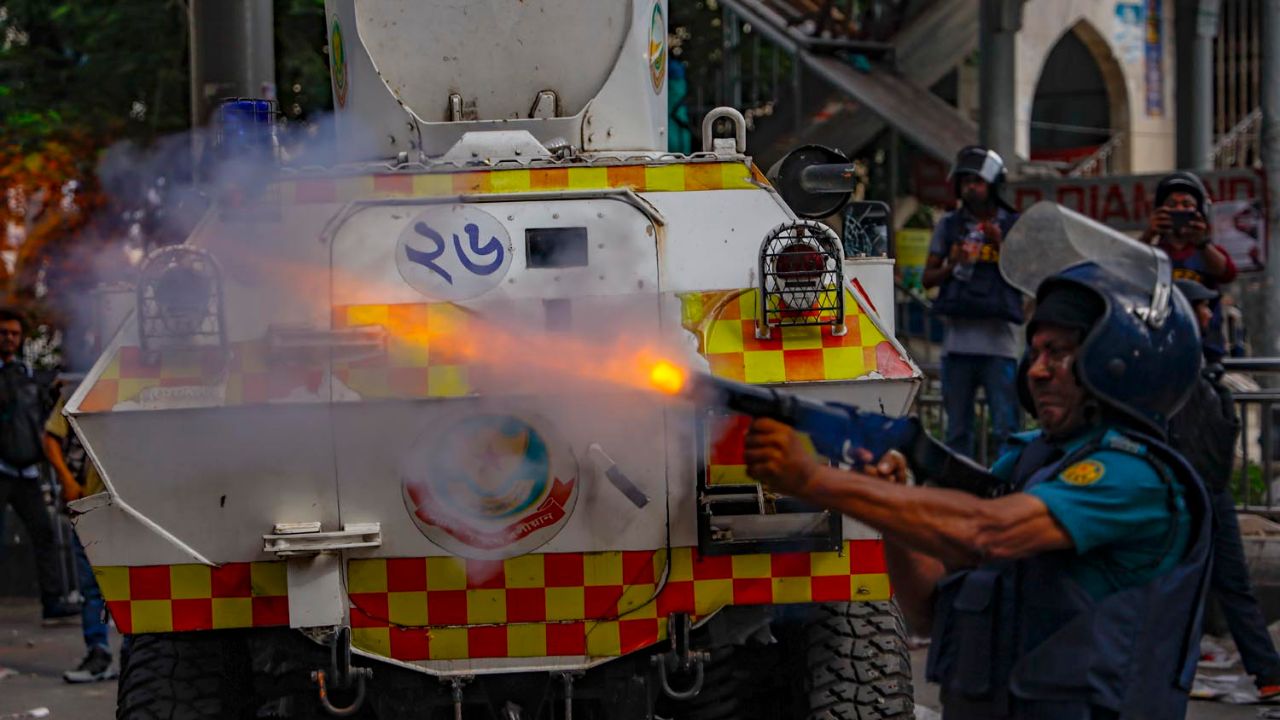

On 5 August, when Sheikh Hasina resigned, Swarupa was detained by police at Shahbagh intersection around 10am. She alleged that she had been physically and mentally tortured in custody. She also alleged that officers mocked her hijab and attempted to label her a member of Shibir.
Another active protester of the July uprising, Farhana, said she sought to remain involved in post-uprising activities and contribute to the reform process. However, she was not allowed to do so.
The frustration of the women of July
All five women describe a widening gap between those who bore the risks during the uprising and those who now hold influence.
Dipti said students played the central role in the July movement, but the genuine sacrifices of participants have since gone unrecognised.
Many who were on the streets, she said, are now sidelined, while some who were largely absent from the movement now sit at the centre of public discussion. Her own role, she added, has faded from public memory, although her nephew’s name endures on the martyrs’ list that remains her solace.
Afifa alleged that students from private universities, despite being present on the streets at critical moments, were given no importance in post-movement decisions or the reform process, leaving many with the sense that they were used for political change rather than included in shaping it. She said it remains doubtful whether even a fraction of the expected change has materialised and argued that harassment of women has instead increased since the uprising.
Samia had hoped the uprising would replace party-based rule with a credible electoral system. Instead, she said post-movement activities increasingly resemble a “business”, with corruption, quota abuse and nepotism persisting across institutions.
Swarupa described an atmosphere of sudden instability following the government’s collapse, with harassment rising on roads, buses and in public spaces. She characterises this as a lack of effective administrative response, with blame in many cases falling on victims’ clothing and movements rather than perpetrators.
Afifa said that although women were hailed as “tigresses” during the uprising, the acclaim later gave way to public criticism of their clothing, conduct and private lives, which drove many, she said, out of public life amid cyberbullying, sexual harassment and a lack of safety.
Rape and sexual violence on the rise
According to data compiled by Ain o Salish Kendra from media-reported incidents, 401 women were victims of rape or gang rape in 2024. That figure rose to 749 in 2025, an increase of roughly 87 per cent in a single year. A further 319 women were affected in the first six months of 2026.
Killings following rape numbered 34 in 2024, 36 in 2025 and 30 in the first six months of 2026 alone.
A large proportion of those affected are children and adolescents.
Separately, the number of people subjected to sexual harassment and violence by street harassers rose from 207 in 2024 to 258 in 2025.