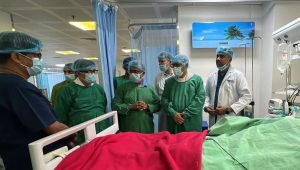



In a significant development on Friday afternoon, Mohammed Shahabuddin submitted his resignation letter to Speaker Hafiz Uddin Ahmad, citing a struggle to perform his duties due to deteriorating physical and mental health.
Central to his decision is a medical condition known as Autonomic Neuropathy, which the outgoing official revealed has caused him to lose consciousness for brief periods.
While Shahabuddin has a complex medical history including heart disease, hypertension, diabetes, kidney complications, and a previous bypass surgery – his resignation letter highlighted that recent health examinations specifically confirmed the presence of Autonomic Neuropathy.
What is Autonomic Neuropathy?
According to Harrison’s Principles of Internal Medicine, Autonomic Neuropathy is a form of peripheral nerve disease that targets Autonomic Nervous System (ANS).

The Merck Manual Professional Edition further describes it as a condition where autonomic nerve fibres are disproportionately affected compared to other nerves.
In simpler terms, the ANS acts as the body’s internal “autopilot”. It constantly manages vital functions that occur without conscious thought, such as maintaining a steady heartbeat, regulating blood pressure when standing up, assisting in digestion, and controlling body temperature.




When these nerves are damaged, this automatic control system fails, leading to various physiological disruptions.
How does it affect the body?
The damage caused by autonomic neuropathy weakens the body’s self-regulation, making everyday tasks difficult and significantly impacting a patient’s quality of life. Because the autonomic nervous system controls several organ systems, symptoms are diverse.
Patients may experience cardiovascular issues such as dizziness or fainting when standing up suddenly, an abnormally rapid heart rate, or a heart that fails to respond appropriately to physical exertion like walking or exercise.
Digestive complications are also frequent, including nausea, constipation, diarrhoea, bloating, and difficulty swallowing.
Moreover, the condition affects temperature and sweat regulation, causing some individuals to sweat excessively while others lose the ability to sweat normally. This leads to extreme discomfort in warm weather, and it often results in problems with bladder and bowel control.
When and who does it affect?
While there is no specific documented rate for Autonomic Neuropathy within the general population, it is frequently observed in those with chronic illnesses.
It is particularly prevalent among diabetic patients, with studies suggesting that between 20 per cent and 60 per cent of people with diabetes may exhibit symptoms of this condition.
For Shahabuddin, the onset of these symptoms – specifically the temporary loss of consciousness, rendered the continued execution of his official responsibilities untenable, leading to his formal departure from office.