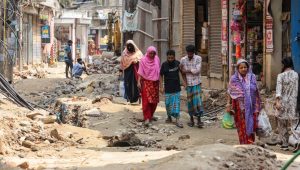
As West Bengal heads into its assembly elections on 23 and 29 April, political tensions have intensified sharply, with growing concern over the use of divisive rhetoric.
The state, which has historically resisted the electoral dominance of the Bharatiya Janata Party (BJP), is witnessing an aggressive campaign centred on identity politics.
BJP leaders, in rallies and public meetings, have made controversial remarks targeting Muslims and alleged “Bangladeshi infiltrators”.
Such statements, including threats to expel undocumented migrants after the elections, have drawn criticism from observers who warn that the narratives risk deepening communal fault lines in one of India’s most culturally diverse states.
Analysts say the strategy aims to consolidate Hindu votes, but caution that it comes at the cost of social cohesion.
The rhetoric, they argue, not only stigmatises a section of Indian citizens but also fosters an environment of fear and exclusion.
Concerns over minority participation
The electoral environment has been further complicated by allegations of irregularities in voter list revisions.

Reports suggest the Systematic Integration and Review (SIR) process has disproportionately affected Muslim-majority districts, raising concerns about disenfranchisement.
At the same time, debate around the proposed National Register of Citizens (NRC) has heightened anxiety among Bengali Muslims.
Political messaging that links sections of the population to illegal immigration has raised fears of potential statelessness and loss of citizenship rights.
Human rights observers warn such developments could discourage minority participation in the democratic process.



The perception of targeted scrutiny, combined with inflammatory campaign language, risks creating a climate in which voters feel intimidated or marginalised.
Implications for social fabric
Experts warn that increasing reliance on polarising narratives could have long-term consequences for India’s social fabric.
Framing electoral competition along religious and ethnic lines risks undermining the inclusive ethos that has traditionally defined the country’s democracy.
Critics say the spread of hate speech not only harms minority communities but also weakens institutional credibility.
A democratic process perceived as exclusionary or biased could erode public trust and deepen societal divisions.
A study by Bellingcat found that several dozen videos circulated by the BJP used generative artificial intelligence to amplify anti-Muslim and anti-Bangladeshi narratives in Assam and West Bengal.
The content, disseminated in December last year, appeared to be strategically timed ahead of the April elections in both states.
Strain on Bangladesh-India relations
Beyond domestic implications, anti-Bangladesh rhetoric in the campaign has raised concerns in Dhaka.
Observers note that repeated references to “Bangladeshi infiltration” risk straining bilateral ties.
Although there has been no official response from Dhaka, analysts warn that continued negative portrayals could trigger diplomatic unease.
Past incidents show how seemingly isolated issues can escalate into broader concerns.
For example, controversies over Bangladeshi cricketer Mostafizur Rahman’s participation in the Indian Premier League have previously sparked reactions on both sides.
There are also concerns that such rhetoric could complicate cooperation on border management, security, and trade.
A risky political strategy
The BJP’s campaign in West Bengal appears focused on short-term electoral gains through identity-based mobilisation.
However, critics warn the approach carries wider risks.
While it may consolidate certain voter bases, it could alienate minorities, weaken democratic inclusivity, and strain relations with a key neighbour.
As the election approaches, developments in West Bengal will shape not only the state’s political future but also broader regional stability and bilateral dynamics.