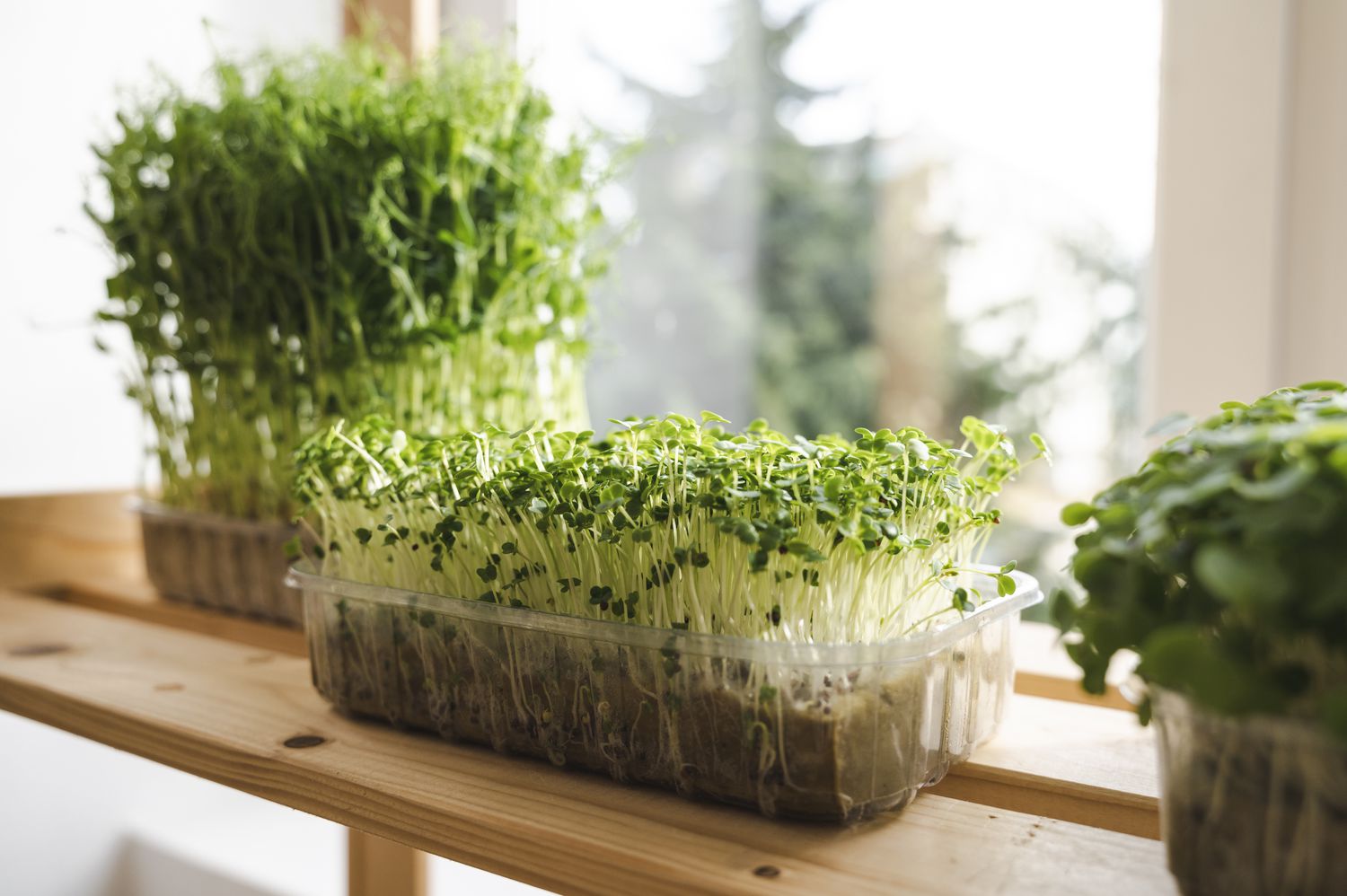

Microgreens, young seedlings of vegetables, herbs, and other plants, sized about 1-3 inches, packed with sharp flavours and high nutritional value are redefining culinary habits in urban living. Coming in various colours and textures, these greens have found their way in simple daily meals, upscale-restaurant courses and creative gourmet creations.
Rich in dietary value, microgreens contain significant wellness elements — vitamins, minerals, antioxidants and many more. Due to their concentrated nutrient profile, they provide maximum health benefits, up to nine times higher than mature greens, according to research. Although this factor may vary depending on the kind of microgreens we are considering.
Furthermore, including microgreens in regular diets may help in reducing risks of diseases like diabetes, Alzheimer’s and certain types of cancers. Also, lower “bad” cholesterol levels. While they are not a one-stop solution, microgreens can considerably enrich the health profile of meals.

What sets these baby sprouts apart is not only their nutrient composition but also the intense taste and aroma. Despite their tiny build, they carry powerful flavours. Microgreens differ in taste, ranging from mild to spicy, zesty to bitter, and sometimes sweet and earthy. These extensive notes make them great add-ons to a range of dishes, like simple salads, sandwiches, smoothies, sauces or meal bases, also popular as edible garnish components.




Microgreens can be grown from various seeds; as a result, they come in many types. The most common types are arugula, sage, rosemary, watercress, dill, celery, beet, leek, radish, basil, mustard and the list goes on. Barley, corn, oats, beans, and lentils can also be grown into microgreens, according to Healthline.
Beyond its taste and health factors, growing microgreens is easier than one might think. Fit to grow all year round, both indoors and out, these sprouts need little time and just enough equipment to be harvested.
Good-quality seeds, a microgreen-appropriate medium (such as growing mats and containers), fertile compost, exposure to proper lighting, calculated mists of water, and an abundance of care — all you need to grow these tender shoots. Tiny but mighty, microgreens have been reshaping what it truly means to eat well.