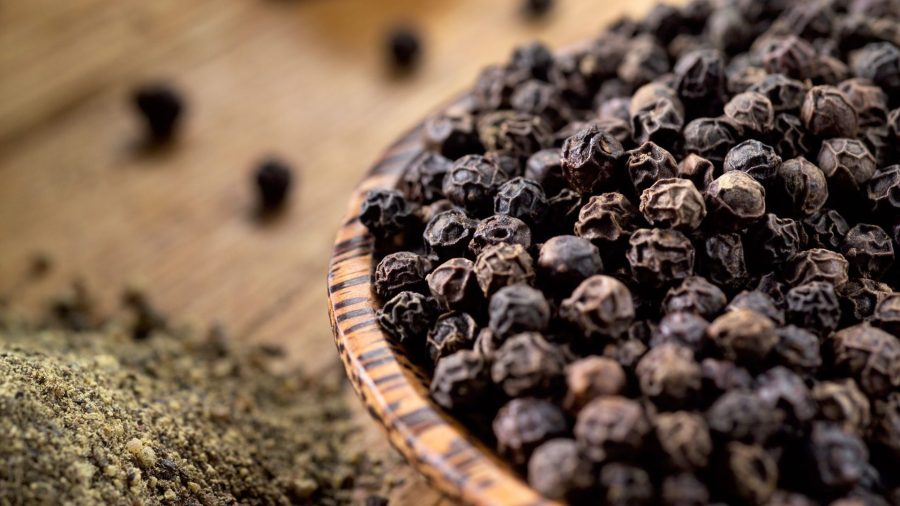

Black pepper (kalo morich) is so common in kitchens that it is easy to overlook. Yet this tiny, wrinkled spice has shaped empires, fuelled global exploration, and is often hailed as the “King of Spices.” From its origins in ancient India to its place in modern households, black pepper has travelled a remarkable path, offering not only flavour but also a range of scientifically recognised health benefits.
Originating on the Malabar Coast of southwestern India around 2000 BCE, used both as a spice and in traditional medicine. Soon it evolved into a rare luxury ingredient across several parts of the globe, reaching ancient Egypt and even the Roman Empire. During this period, merchants maintained a strict monopoly on the spice, often driving up prices to the point that black pepper was being accepted as currency.
This extreme value ultimately triggered the European Age of Exploration, and following centuries of bloody spice wars between various European empires for global control, black pepper transitioned from a royal luxury into a household staple, with Vietnam leading its modern production.

As history points out, apart from being used as a staple kitchen ingredient, it has wellness features that can do wonders for the human body. The primary wellness values of the spice centre around the active alkaloid (a class of chemical compounds) called piperine. By blocking liver enzymes and allowing the body to absorb vital nutrients such as vitamin B12 and iron, it functions as a powerful bioenhancer.
It also acts as a potent antioxidant and anti-inflammatory agent that neutralises cellular damage, fights chronic tissue swelling and improves insulin sensitivity. Furthermore, black pepper directly aids digestive health by signalling the stomach to increase hydrochloric acid production, ensuring efficient protein breakdown and preventing fermentation that leads to gas, bloating, and indigestion.




While traditional folklore and kitchen hacks often claim that black pepper can be used to stop bleeding due to its apparent coagulating and antibacterial properties, pouring the spice into a cut or open wound can cause serious infection. As kitchen-grade black pepper is not sterile, it can introduce foreign plant material and environmental bacteria straight into the bloodstream. This can cause severe irritation and delay actual healing.
In terms of internal health, dietary consumption should be limited to standard culinary amounts used in food, as excessive intake can cause gastrointestinal distress and alter the absorption of certain medications. Additionally, consuming high doses of piperine supplements can actually increase internal bruising because it slows down blood clotting.
Beyond its health and wellness values, black pepper is a uniquely versatile spice that enhances other ingredients without overpowering them. Its primary usefulness lies in its ability to balance rich fats, cutting through heavy proteins and brightening flat flavours. It also functions as a foundational flavour bridge that binds diverse ingredients.
Black pepper has always been more than just a finishing touch on a meal; it is a simple everyday ingredient providing a helping hand in approaching balanced wellness. While it should not be treated as a cure or a substitute for medical care, these types of wholesome ingredients can have a small yet meaningful impact on everyday health.