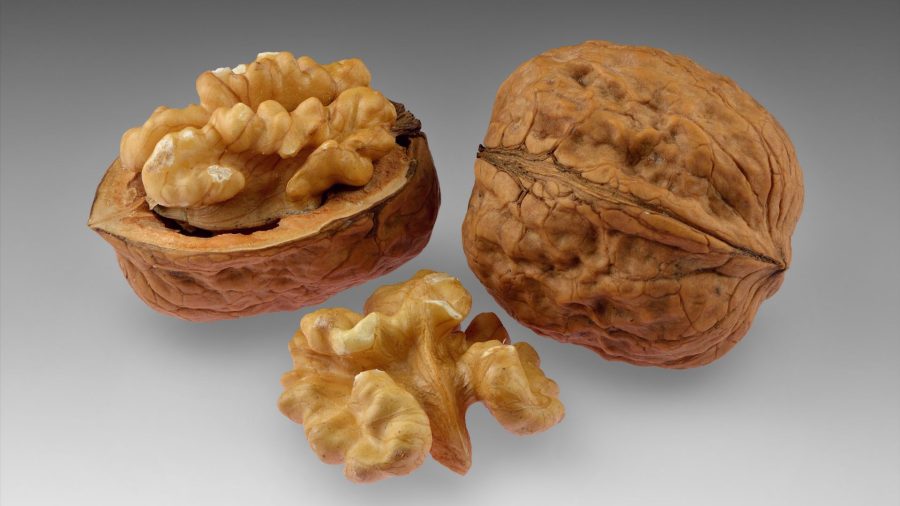



Nature rarely drops a hint as obvious as the walnut. With its protective outer shell and an interior that closely mimics the hemispheres of the human brain, this nut provides a clear visual cue to its status as a potent superfood. While ancient healing traditions relied on this striking resemblance to guide its medicinal use, modern nutritional science has proven something much more grounded. The walnut is a highly efficient blueprint for systemic health and cellular longevity, operating as a functional medical food capable of upgrading your daily wellness routine from the inside out.
As one of the oldest known tree foods, the walnut originated in ancient Persia (modern-day Iran) around 7,000 BCE, where it was so highly prized that it was reserved strictly for royalty. The nut went global as a highly valued traveler’s snack, moving west into Europe via ancient Greek and Roman empires and east into Asia along the Silk Road. Later, English merchant marines transported them across the world’s oceans, coining the modern name “English walnuts”. This global maritime network, combined with centuries of overland trans-Himalayan trade routes through Persia, Afghanistan, and India, eventually brought the walnut into Bangladesh.
The walnut officially earned its “superfood” status because it outperforms almost every other tree nut in raw nutritional power. Its primary healing property lies in its massive concentration of alpha-linolenic acid (ALA), a plant-based omega-3 fatty acid that the human body cannot produce on its own. A single handful of walnuts completely fulfils your daily omega-3 requirement, working aggressively to clear arterial plaque, reduce bad cholesterol, and protect your heart.
For optimal health benefits, the recommended daily intake is about 28 grams, or a small handful of 7 whole walnuts, which can be eaten raw or tossed into salads. To make them easier to digest and improve nutrient absorption, soaking them in water overnight can work, which helps break down phytic acid, a natural compound that can temporarily block your body from absorbing iron and zinc.
However, moderation is key as walnuts are highly calorie-dense; overeating them can lead to unintentional weight gain. Consuming too many can also overload one’s system with fibre and fats, resulting in digestive discomfort like bloating, gas, or diarrhoea. Finally, individuals with a tree nut allergy must avoid walnuts entirely, as they can trigger severe allergic reactions ranging from hives to life-threatening anaphylaxis.
Adding this ancient ingredient to one’s daily routine is a small change that yields practical long-term rewards. By selecting whole, raw varieties and storing them in an airtight container away from heat or light, one can preserve the volatile oils that fuel their health benefits. As modern wellness transitions away from processed supplements and focuses more heavily on functional foods, choosing this accessible ingredient is a direct, reliable way to support long-term vitality.