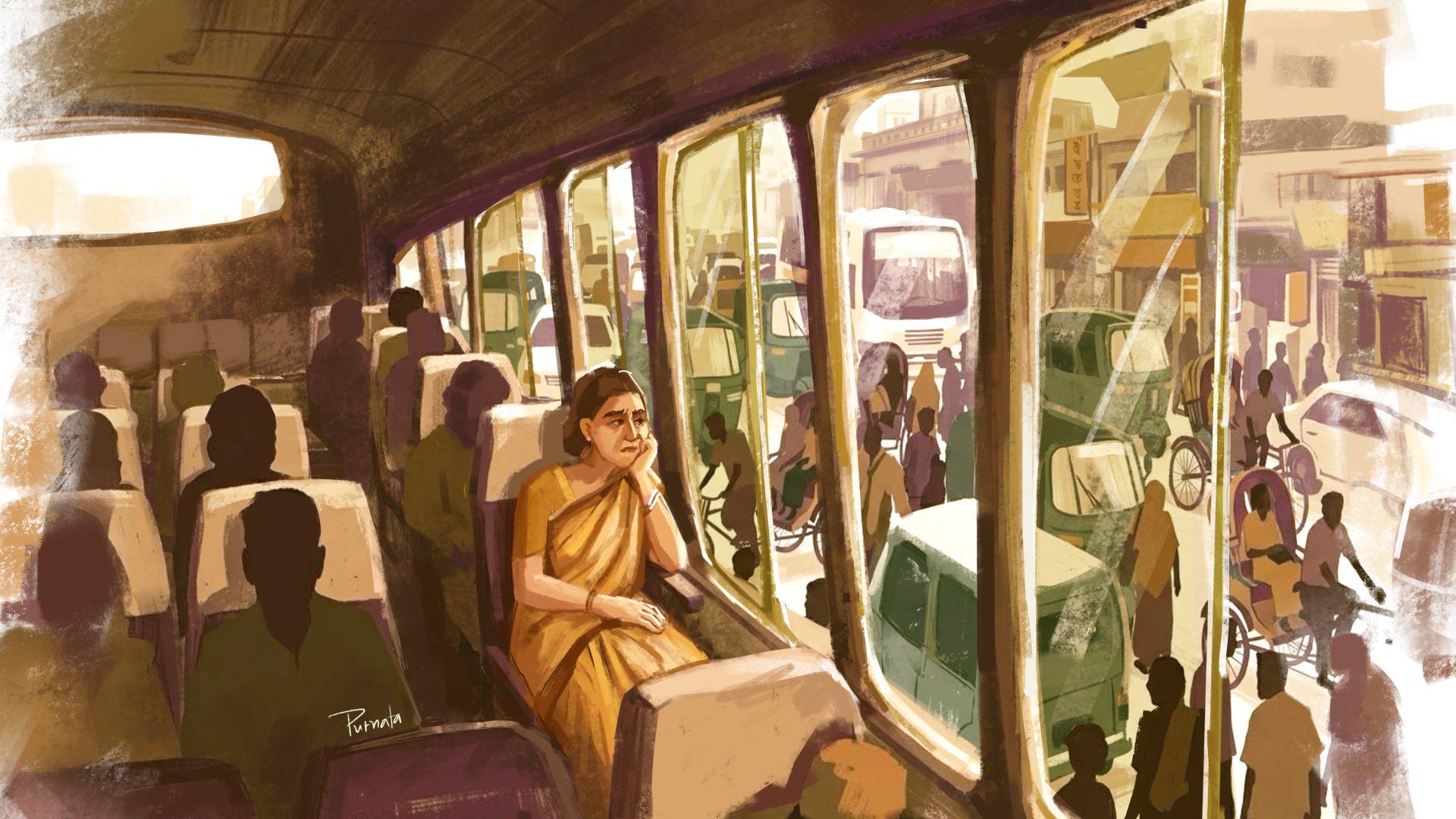
Every biodata looks, at first glance, like a harmless one-page PDF: Name, age, height, religion, education, family background, a passport-style photo. In practice, it functions as something closer to a financial prospectus circulated among strangers – and for a document nobody officially calls a résumé, it has developed all a résumé’s worst instincts.
Bangladesh’s matchmaking industry has scaled well past word-of-mouth. Bibahabd.com, running since 2007, now calls itself the country’s largest matrimony platform; newer entrants like SensibleMatch and agencies such as Biye Media Ltd, with close to 30,000 Facebook followers, promise “verified profiles” and “human matchmakers” for a generation that still wants family involvement but no longer wants to wait for a relative’s phone call. The biodata itself has become standardised almost to the point of parody: Height to the inch, complexion described in a fixed vocabulary, and a “profession and salary” line that most templates now describe as optional, “to avoid future confusion,” a phrasing that gives away exactly how load-bearing that number actually is.
That number rarely stays modest. Browse active listings and it isn’t hard to find a prospective bride’s family stating outright that a groom’s annual income “must be 30 lakh or above”, a floor few entry-level, and plenty of mid-career, professionals in Dhaka actually clear. The predictable result is a quiet culture of rounding up: A probationary salary described as if it were confirmed, a family business income folded into a personal one, a “package” figure that includes bonuses that may never materialise. None of it is exactly lying, and all of it is calibrated for exactly one reader: The family on the other end doing the same arithmetic on their own child’s behalf.
Complexion occupies its own carefully coded language. “Fair,” “wheatish,” and, more rarely, anything darker than that, are treated as objective biodata fields rather than what they actually are: A ranking system, inherited from a much older regional preoccupation with skin tone, now formalised into a checkbox. Writers who have examined the practice describe a quiet unease in realising how casually the vocabulary sorts people, and how little room the format leaves to simply omit the category rather than answer it.
The matchmaking aunty hasn’t disappeared so much as gone digital. Bangladesh’s traditional ghotoks – informal brokers trusted with a family’s preferences, background and expectations – now have institutional competition in Facebook groups and WhatsApp circles that perform the same function at far greater scale, sorting candidates by profession, division, and university the way a ghotok once sorted them by memory and reputation. The core transaction hasn’t changed: A document gets exchanged, a family gets vetted, a meeting gets arranged if the numbers and the categories line up first. What’s changed is the industrial scale of it: Verified-profile platforms, paid premium tiers, and admins running matchmaking businesses with the same infrastructure as any other online marketplace.
The biodata was, in theory, meant to make an inherently difficult process more transparent: Put the facts on paper, skip the guesswork. What it has produced instead is a rat race conducted in the register of a form: Salary rounded up, complexion softened into euphemism, an entire life summarised into fields designed to be compared, ranked, and, more often than anyone admits out loud, quietly exaggerated.