


We have gone so deep into the world of technology that listening to music is no longer a hassle. There is no need to press buttons or fiddle with settings. We rely on apps such as Spotify, Deezer, and SoundCloud, and with a single click, music fills our ears.
Playlists are already curated for us, tailored to our tastes. This was not the case a decade ago. Back then, we either had to settle for portable CD players or Walkmans that ran cassettes. Later, certain mobile companies came up with the idea of doubling phones as music players, and a new era began.
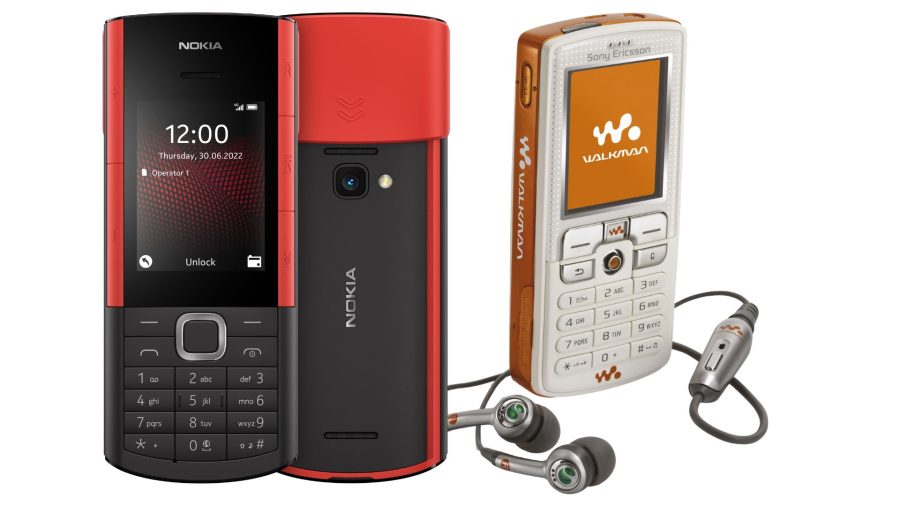
The Walkman series from Sony Ericsson was the first line-up of phones designed with music playback at its core. The concept was developed in March 2005, and the first unit was launched in August of the same year. There was something about these phones that felt unique. Certain models featured dedicated buttons for playing, pausing, and scrolling between songs.

Sony Ericsson also installed miniature bass boosters. They weren’t perfect, but they added a distinct character to the listening experience. And then there was the screen and the theme. Watching the visual equaliser move in sync with the beat and rhythm was a joy in itself.
Looking at the success of Sony Ericsson, Nokia – the godfather of mobile phone companies – launched its own franchise: XpressMusic. Before the franchise, they released the 3250, a phone with a twisting bottom. Normally placed, it functioned as a keypad. Twist it, and the entire device transformed into a music-player-friendly interface. This quirky form factor caught the attention of the youth, and sales somewhat surpassed the Walkman series.




But Nokia did not stop there. They wanted to deliver the full music-playing experience, and thus, XpressMusic was born. Unlike the Walkman series, it had dedicated buttons on the side of the phone, ensuring that the keypad remained unused while music played. It gave users the feel of an mp3 player or a portable CD player.
The colour schemes of both franchises were similar yet distinct. The Walkman series featured a black body with orange accents. In contrast, the XpressMusic series sported a white and red body with a red interface. Both franchises stuck to a signature look, one that became instantly recognisable.
When these franchises hit the market, sales skyrocketed. The youth of the day – who are now much, much older – would proudly show off their phones at schools, meetings, and gatherings. Friendly competitions emerged over whose phone looked better and more stylish. That was the craze before the era of glass slab phones.
It is difficult to declare a clear victor. Both companies had their fair share of success. Eventually, the franchises faded as the modern smartphone came into play. Yet, old-schoolers still feel a wave of nostalgia whenever they see pictures of those phones, smiling whenever they see a collector flaunting these devices, as if they were alive today.