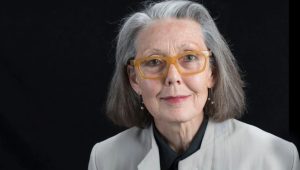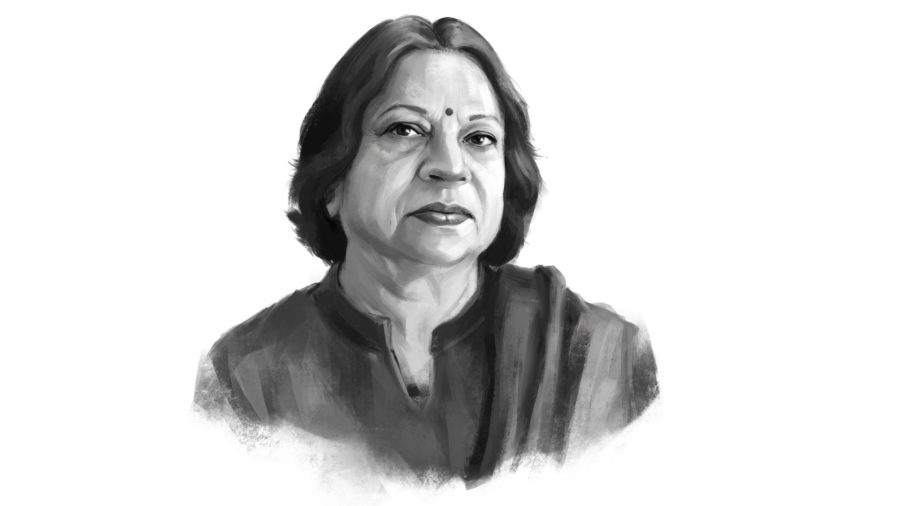



Saeeda Kamal Tulu, a freedom fighter and visual artist, lived a life that brought together two powerful forms of service to Bangladesh: caring for the wounded during the Liberation War of 1971 and contributing to the country’s cultural landscape through art. She died in Dhaka on 18 October, 2026, at the age of 74, leaving behind a legacy of courage, creativity and quiet dedication.
The youngest daughter of celebrated poet Sufia Kamal and younger sister of noted human rights activist Sultana Kamal, Saeeda grew up in a family closely associated with Bangladesh’s cultural and social movements. Yet she carved out her own identity, choosing a path that combined artistic expression with a commitment to the country’s independence.
When the Liberation War began in 1971, Saeeda was a student of fine arts. As the country plunged into a struggle for freedom, she joined her elder sister Sultana at the Bangladesh Field Hospital, serving as a nurse on the war front.

In a time of extraordinary suffering and uncertainty, she helped care for wounded freedom fighters and others affected by the conflict. Her contribution reflected a form of courage that was not always expressed through weapons, but through compassion, service and the determination to help others survive.




Her service during the war earned her the Commander-in-Chief’s Special Commendation, recognising her contribution to Bangladesh’s struggle for independence.
After the war, Saeeda continued to pursue her passion for visual art. She studied at the Faculty of Fine Arts at the University of Dhaka and later received specialised training in design at Kala Bhavana, Visva-Bharati University, in Santiniketan, India. Her artistic journey took her beyond Bangladesh, with her works appearing in solo and group exhibitions at home and abroad. Through her creative practice, she contributed to the development of fine arts in the country, exploring a different way of serving the society whose freedom she had helped defend.
Art offered her a lasting means of expression, allowing her to contribute to Bangladesh’s cultural life beyond the defining experience of 1971. Saeeda Kamal Tulu may not have occupied the same public spotlight as her mother or elder sister, but her life carried its own significance. She belonged to a generation of women who helped shape Bangladesh not only through public leadership, but also through personal sacrifice, professional commitment and cultural contribution.
Her story reminds us that nation-building takes many forms. Some fight on the battlefield; others tend to the wounded, preserve memories and enrich a country’s cultural identity. In remembering Saeeda Kamal Tulu, Bangladesh honours a woman whose life connected the struggle for independence with the enduring power of art.