


A shelf in the wardrobe now lies empty. It once held a tiny pair of shoes, a favourite football jersey, toy cars and a football.
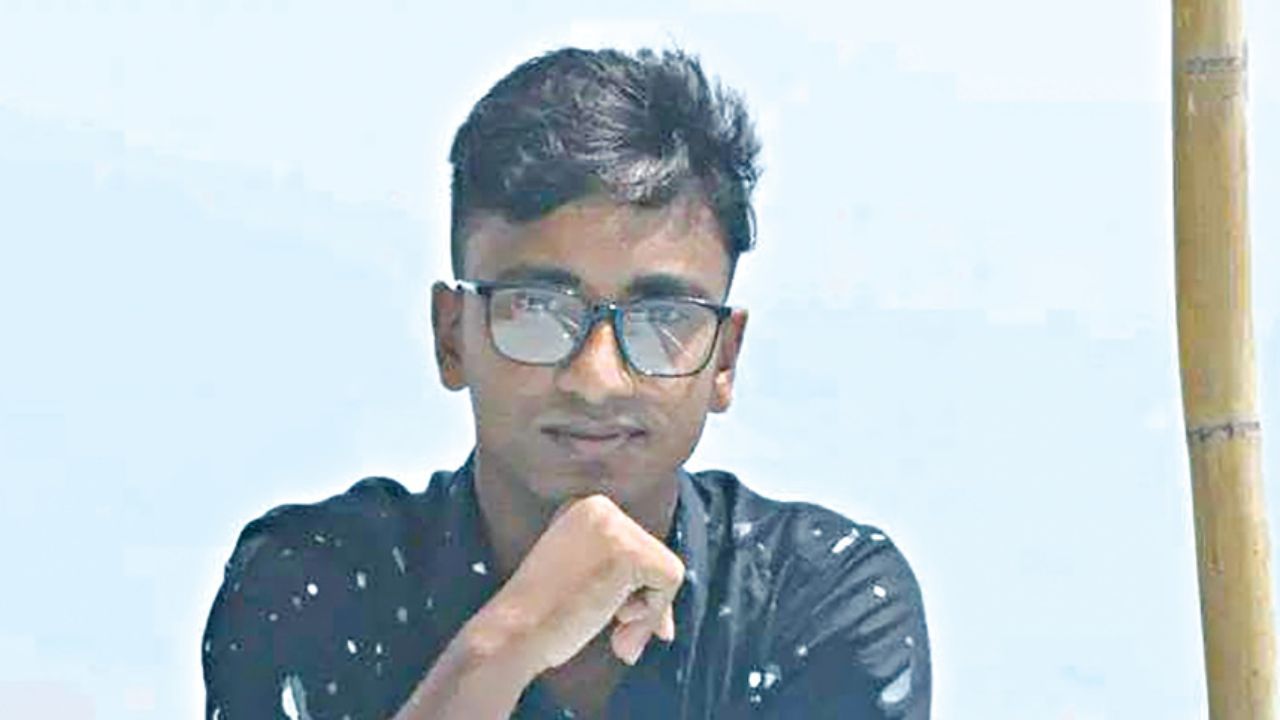
They belonged to Rakib Hossain, a 13-year-old who loved football and dreamed of becoming a famous player. In July 2024, he joined the street protests. A grenade blast ended his life. He would have been 15 today.
His father, government official Abul Khair, has given away all his son’s clothes and toys.
“Whenever I saw them, I remembered him and started crying. That is why I kept nothing of his,” he told TIMES of Bangladesh.
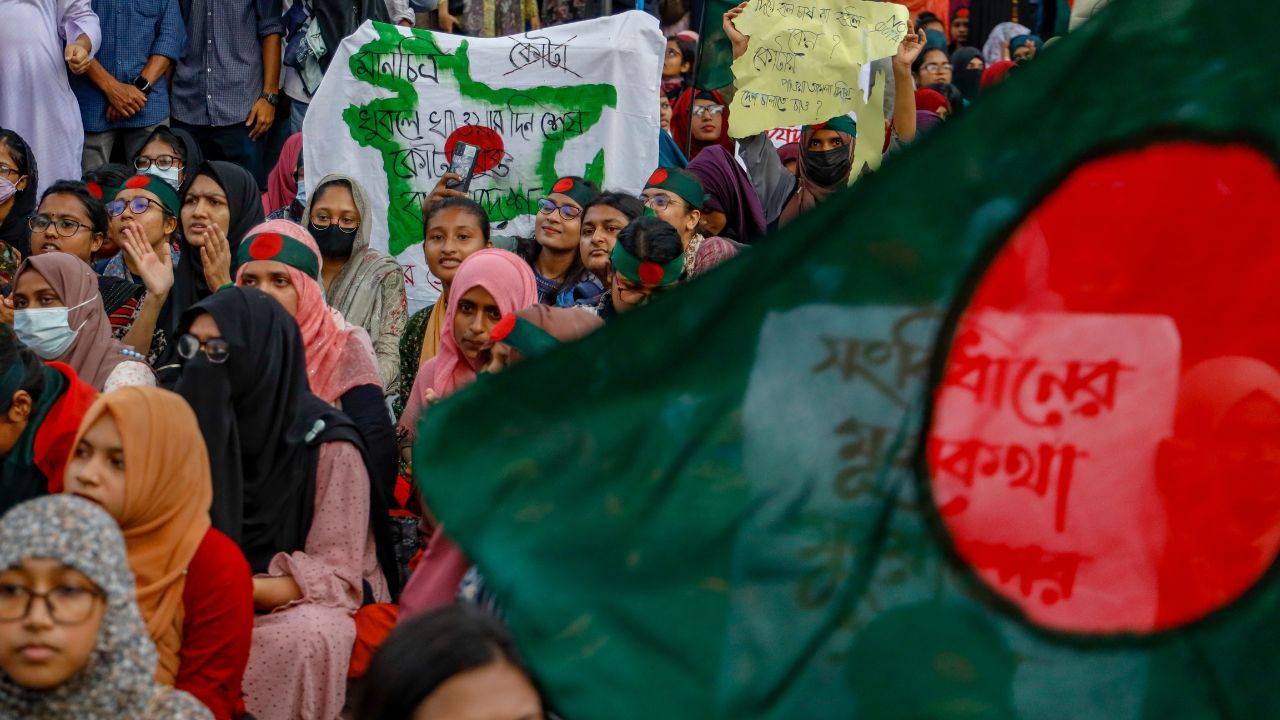
The empty shelf reflects the grief of countless families who lost children during the July uprising.
Of the 844 people killed in the 2024 uprising, 133 were children. Among them, 91 were students at schools, colleges and madrasas, while 41 worked in informal sectors.
Some should have been walking to school with books in their hands. Others were already working to support their families. They dreamed of becoming footballers, army officers and doctors. Those dreams ended amid street violence.
Rakib: Went out to play, never returned
Rakib was the youngest of Abul Khair’s three children. A seventh-grade student at ITZ School and College in Mohammadpur, he dreamed of becoming a footballer.
On 19 July, he left home saying he was going to play. His family did not know he was heading to the protests. When he failed to return, they began searching for him.

They later learned that Rakib had been found beside a road divider with gunshot injuries. Local residents took him to the National Institute of Neurosciences and Hospital, where doctors declared him dead.
The hospital slip listed a “head injury”, with “grenade blast” written in brackets.
Asked what the movement had achieved, Rakib’s father said: “Even if the whole world were sold, I still could not get my little boy back.”
Jabir Ibrahim: The final photograph
At around 12:30am on 4 August, Jabir told his father that he would join the protests the next day. His father scolded him and told him to sleep.
By 9:30am, however, Jabir was awake unusually early. Instead of hugging his father, he put on his uncle’s helmet and asked to be photographed. He said he wanted to become an army officer.
“Can’t you see how the police are shooting my brothers? I’ll join the army and shoot the police,” he told his father.
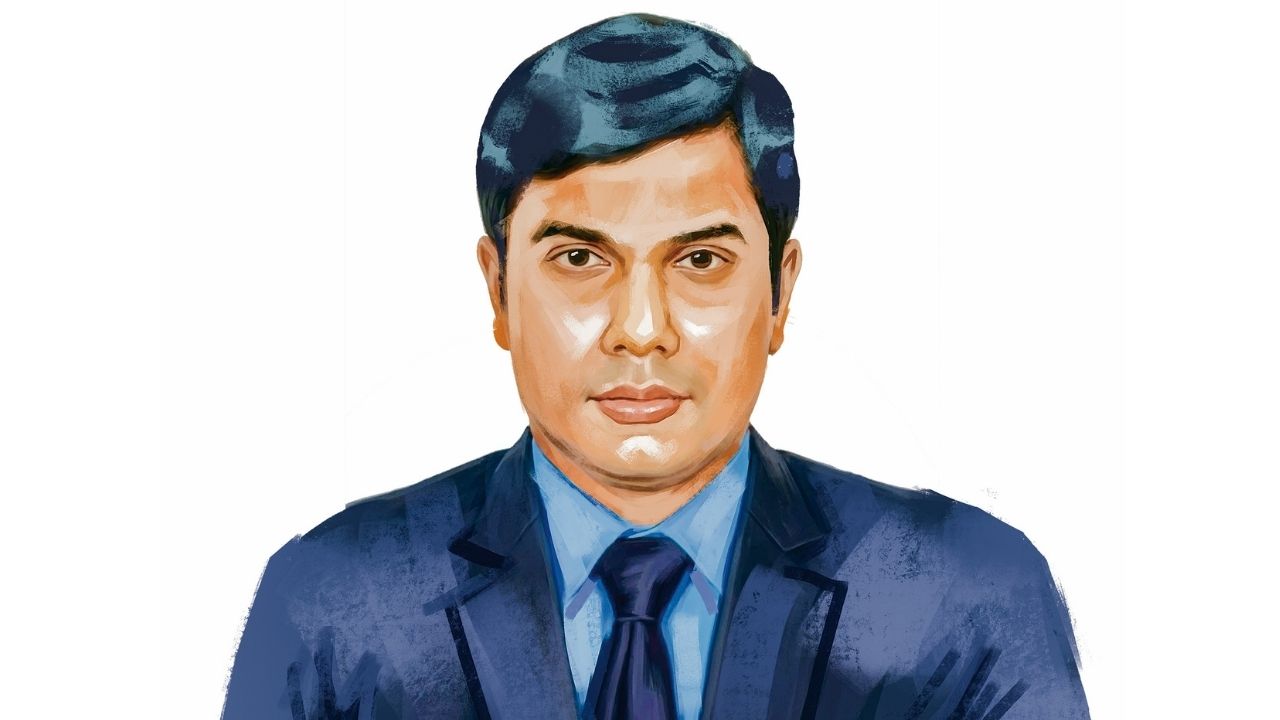

Three photographs of Jabir wearing the helmet remain stored on his father’s phone.
At around 4:30pm, Jabir was taking family photographs on an under-construction bridge north of Uttara East Police Station.
His father said he then saw 17 or 18 people wearing helmets, T-shirts and police trousers advancing from the flyover while firing shots and throwing sound grenades.
Panic spread. Carrying his two sons, he ran towards home. Near the APBN Gate area, gunfire rang out again and Jabir cried out.
His father first thought he had been struck by a rubber bullet. But Jabir could no longer walk. He was rushed to Kuwait Maitree Hospital, admitted to intensive care and later died.
The photographs taken that day are now among his father’s final memories of him.
Sarwar Hossain Rakib: Dreamed of becoming a doctor
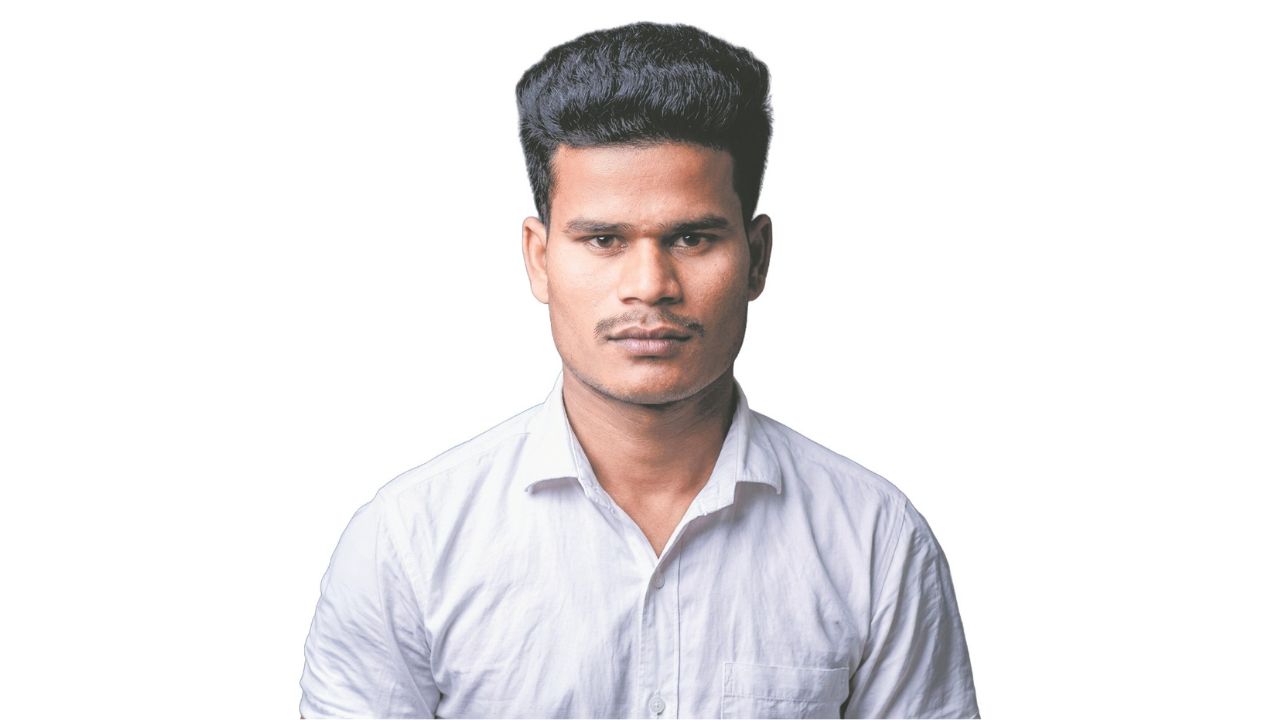
Fifteen-year-old Sarwar Hossain Rakib was shot in the head and died during clashes between police and protesters on 19 July.
Originally from Gaibandha Sadar Upazila, he lived with his family in Uttara. He was the youngest of three children of Ahmad Ullah and Fancy Khatun.
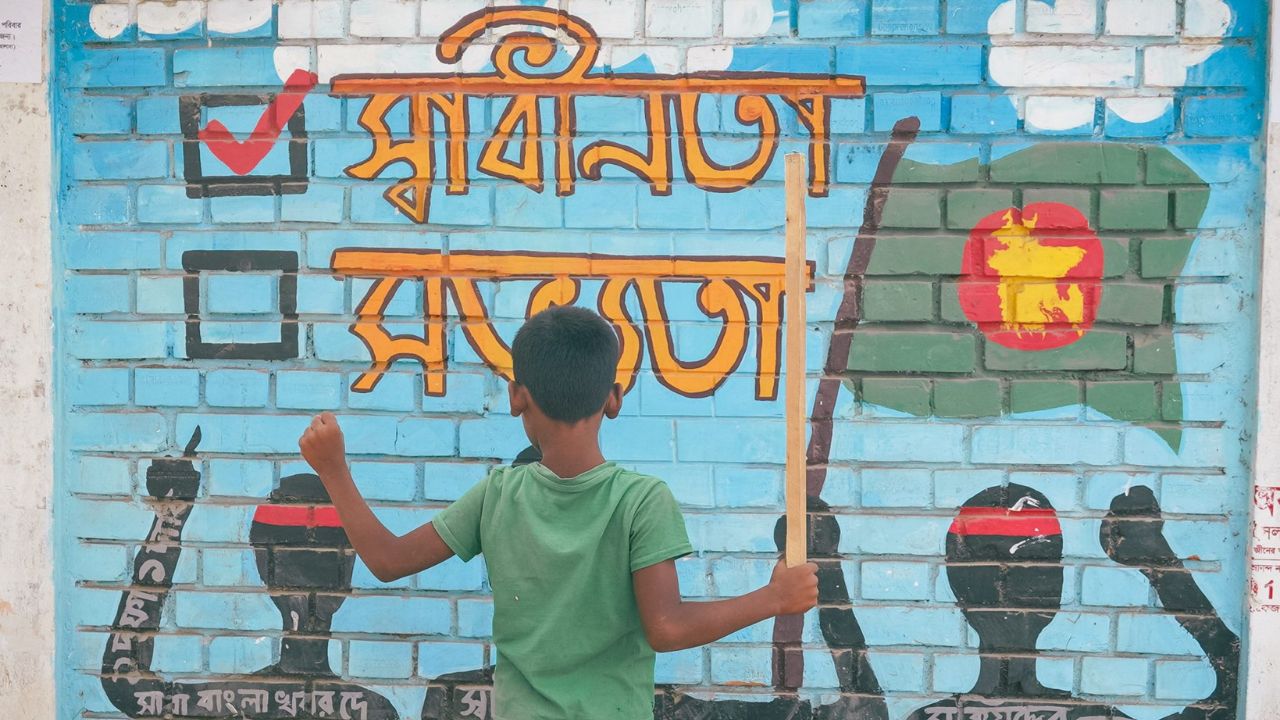
A Class 10 science student at Milestone School and College, he dreamed of becoming a doctor. He loved drawing and joined the movement by painting graffiti.
“My son was very talented,” his mother said. “He would always say, ‘Mum, I’m going to the protests. If my school joins the procession, I’ll go. You won’t be able to stop me.’”
The family has not filed a case.
“We have no guardian in Dhaka. Who will file the case? Who will pursue it? We have placed our case before Allah. He will deliver justice,” she said.
The grieving family has since returned to their village.
Ismail: A childhood spent supporting his family
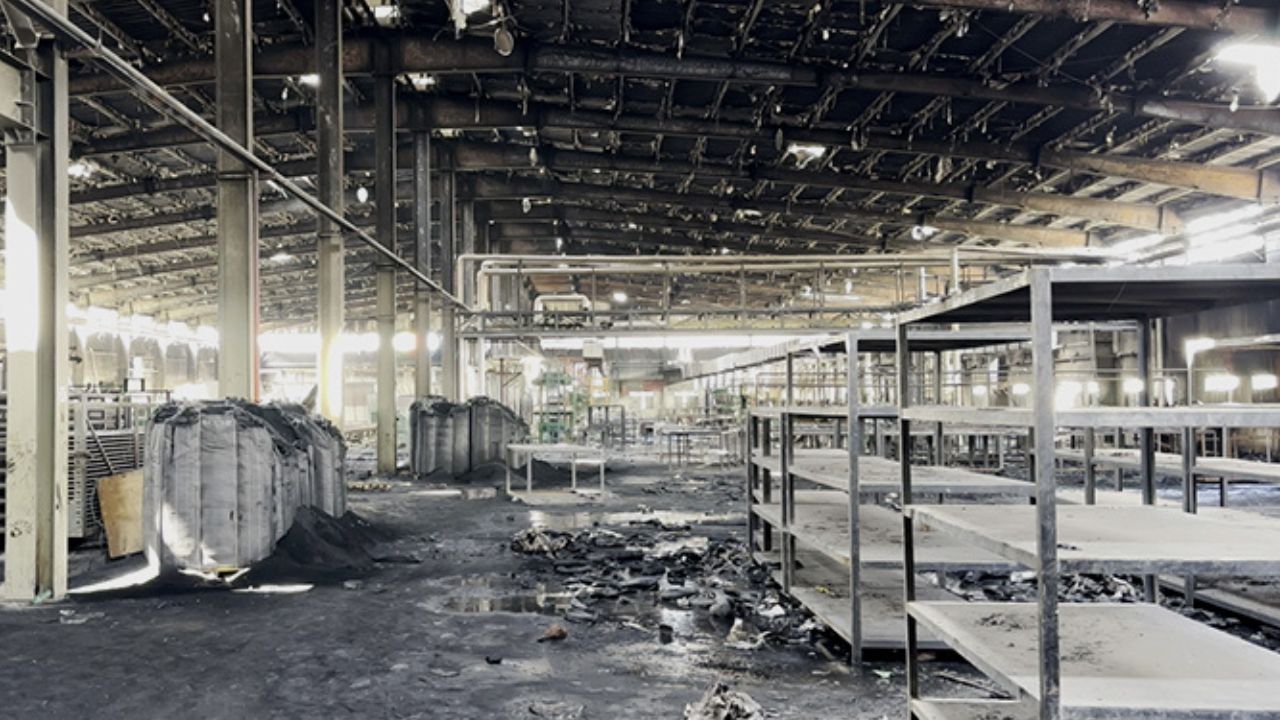
For 17-year-old Ismail, childhood was not about playgrounds but machinery in a shoe factory. Poverty had forced him into work.
Born in Kamrangirchar in 2008, he grew up in Dhaka. His father, Jasim, provided little financial support, leaving his mother, Taslima Akter, to maintain the household through domestic work.
Ismail gave all his wages to his mother and doted on his seven-year-old sister, Rashni.
On 19 July 2024, he collected his salary, handed it to his mother, ate the meal she had prepared and said he was going to visit his grandmother. He never returned.
That evening, a friend telephoned to say Ismail had been killed by police gunfire in Mohammadpur.
At around 1am, Taslima identified her son’s body at Dhaka Medical College Hospital. She said police intimidated her into suppressing her cries. Ismail was buried at Azimpur Graveyard the next day.
He had studied only up to Class Five before poverty forced him into work, but dreamed of lifting his family out of hardship.
“My son gave me all of his earnings. He kept the family going. Who am I supposed to live for now?” Taslima said. “Every time I look at my daughter, my heart breaks.”
His grandmother, Jharna, said: “He has a little sister who is still studying. Who will look after them now? We can hardly feed ourselves.”
In a damp, one-room rented home, Ismail’s mother and sister now struggle to survive. Taslima has filed a case with Mohammadpur Police Station, but whenever she looks at the documents, the pain only deepens.