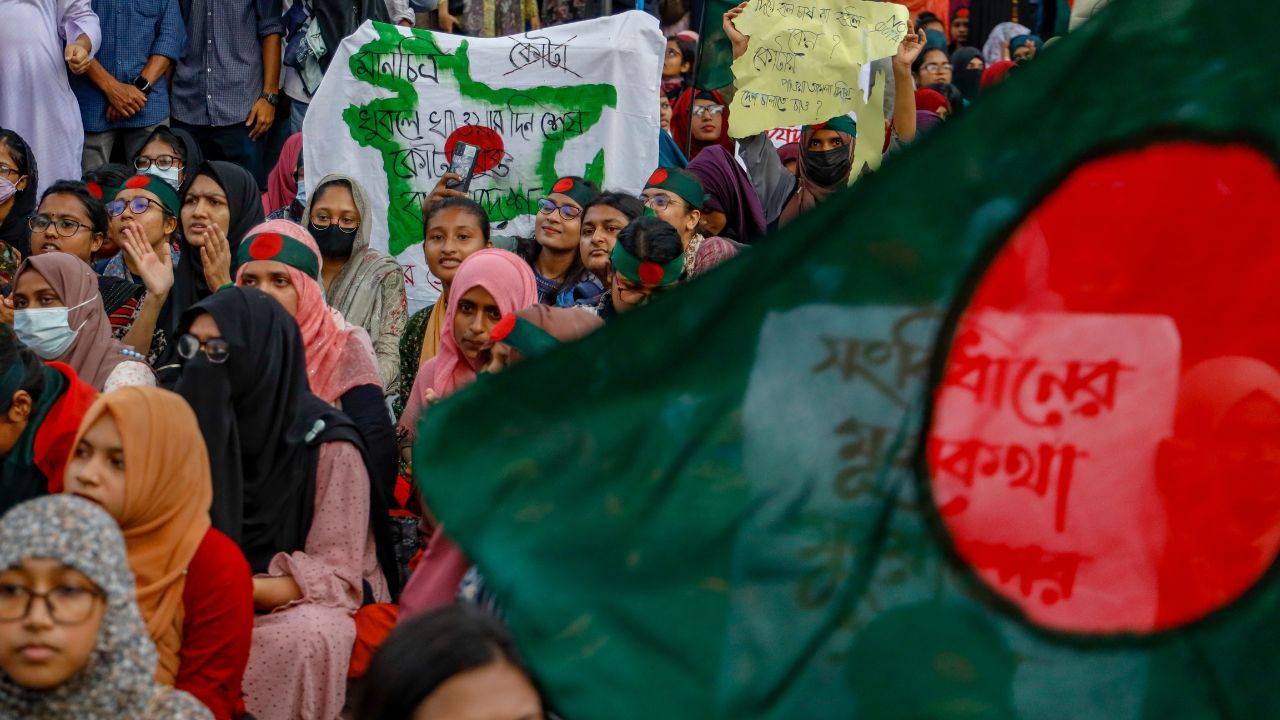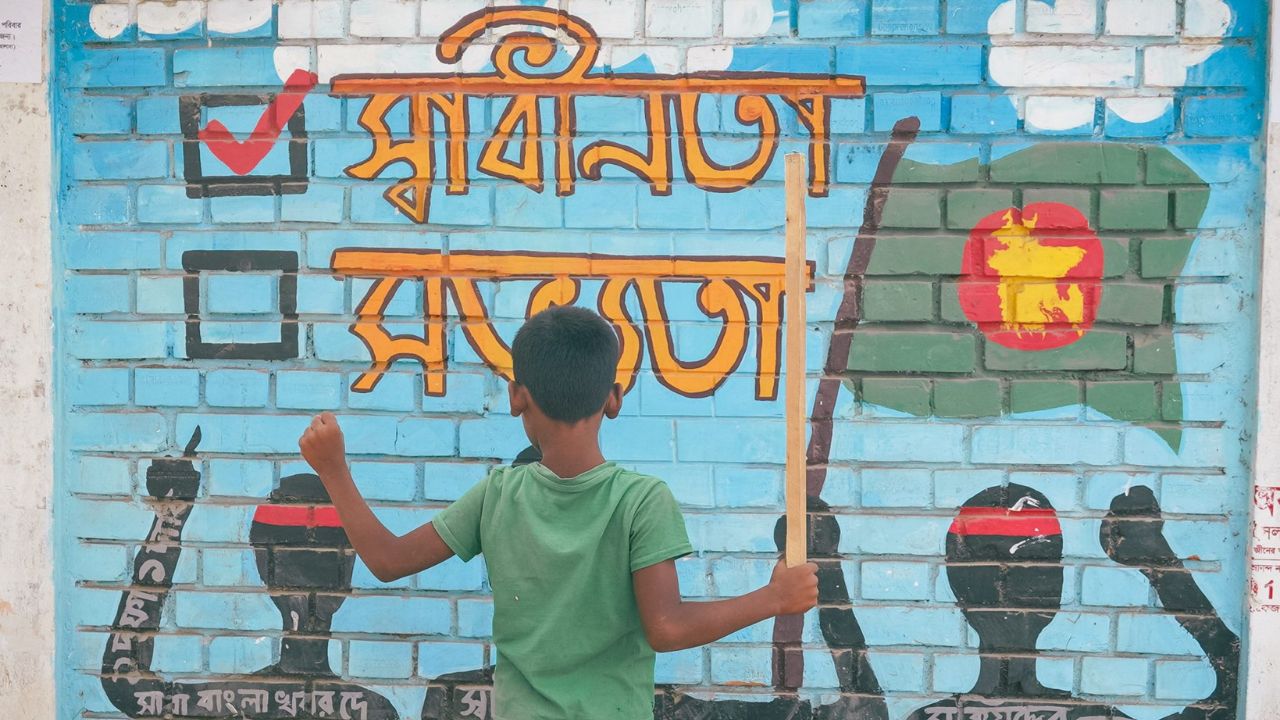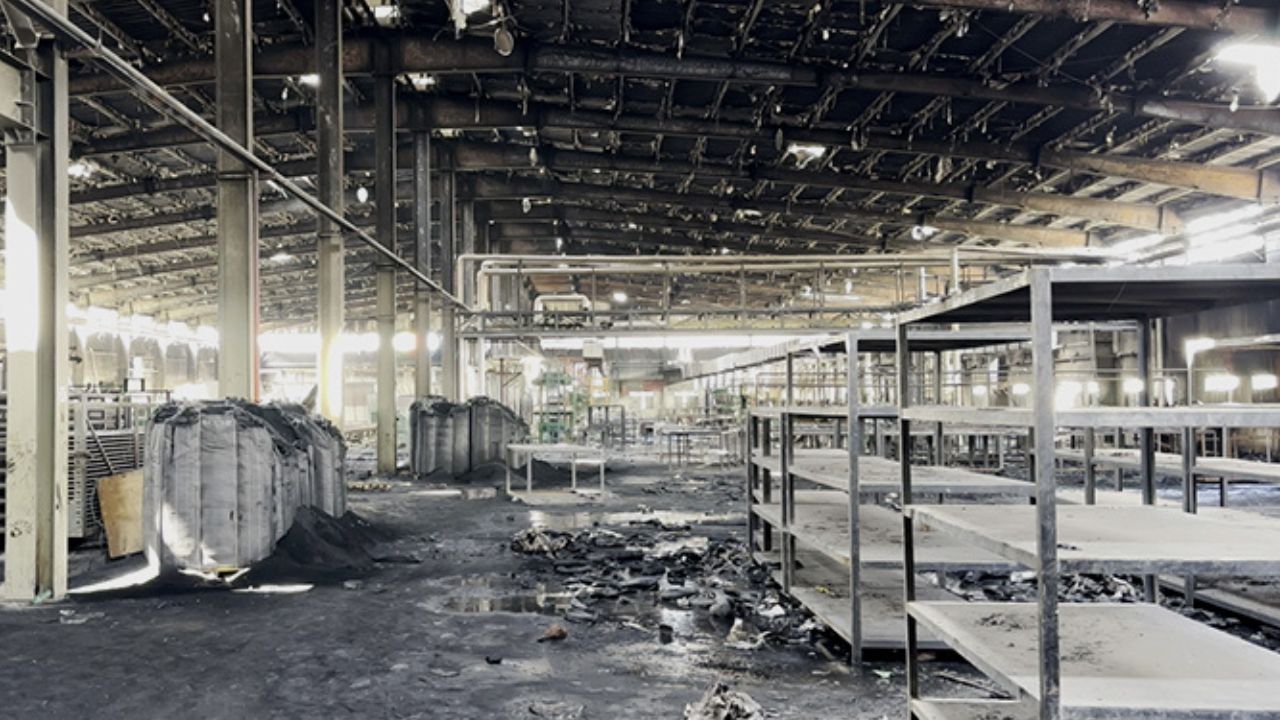

Police have asked the courts to take action against complainants in over 100 cases from the 2024 July uprising, after investigations revealed their claims were entirely fabricated.
Detectives report that genuine investigations are being derailed by made-up incidents, false accusations, and personal vendettas.
In several bizarre instances, officers discovered supposedly “dead” victims were actually alive and well, while other cases were filed over marital disputes or listed complainants who couldn’t even be traced.
Most filings rely on sweeping lists of high-profile names, including ousted prime minister Sheikh Hasina, former home minister Asaduzzaman Khan, and senior Awami League figures, alongside hundreds of police officers and ordinary citizens.
Untangling the real events from the noise is taking months, with officials noting the worst offenders are private cases filed directly through the courts.
Crucial evidence has also been lost as many victims were buried without post-mortems, with families actively resisting police attempts to exhume bodies for forensic checks.
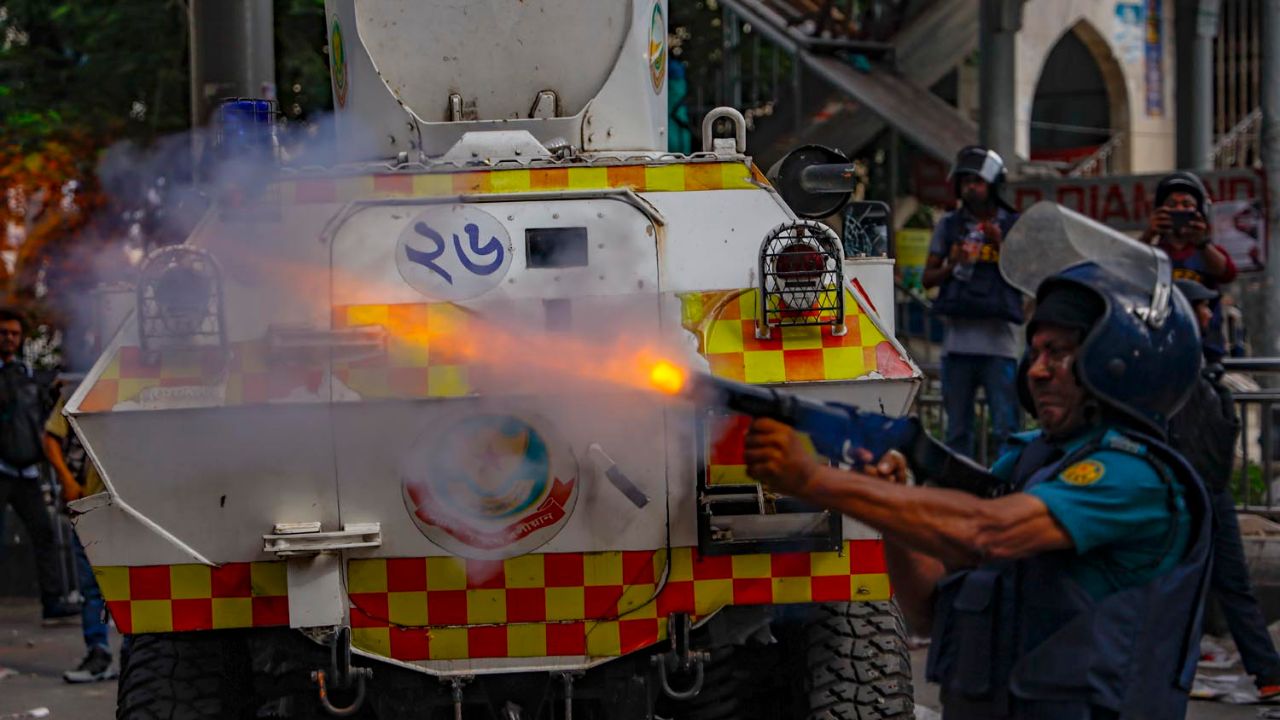
The official gazette confirms 844 people died across 438 locations during the 2024 mass movement, with hotspots like Jatrabari, Savar, Ashulia, and Rangpur bearing the brunt of the violence.
A total of 114 unidentified victims remain buried at Mohammadpur’s Rayerbazar cemetery.
Now, hundreds of wrongly accused citizens are fighting back.
Under Section 173A of the Code of Criminal Procedure, individuals targeted by false claims can apply for discharge.
Former interim police chief Baharul Alam told TIMES of Bangladesh, “With so many falsely accused, Section 173A was added to the Code of Criminal Procedure. Anyone facing harassment can apply, allowing investigating officers to recommend their discharge in court.”

Police say court-filed cases contain far more phantom complainants and broad-brush suspect lists than those logged at police stations. Officials revealed some filings listed living people as dead, while other complainants proved untraceable. Personal grudges, even domestic disputes, have also seen people framed for murder.
Forensic delays present another hurdle: many victims were buried without post-mortems, and families resisted efforts to exhume bodies for autopsies.
Only 13.6% of cases resolved
By 30 June, police had wrapped up investigations in just 254 of the 1,862 cases stemming from the July-August 2024 movement, an overall clearance rate of just 13.64 per cent.
Out of 799 murder cases, only 100 are completed. Charge sheets were filed in 63 of them, naming 5,793 suspects, while final reports closed out another 37, leaving the resolution rate at 12.52 per cent.
For the 1,063 non-fatal cases, 154 have been resolved (a 14.4 per cent completion rate), with charge sheets filed in 136 cases against 10,202 individuals, and 18 closed via final reports.
Official vetting did catch some glaring errors, cutting 13 names from the records.
Five of those supposedly killed turned out to be alive, while the remaining eight were either listed twice or had no connection to the protests whatsoever.
102 cases found to be false
Investigations have exposed 102 cases as entirely fake, with officers concluding they were filed solely to harass innocent people.

In Ashulia, Kulsum Begum lodged a complaint alleging her husband, Al-Amin, was killed in Baipail.
A police inquiry revealed Al-Amin was actually alive and well.
Officers found Kulsum filed the fraudulent case at the instigation of an influential local politician and extracted cash from individuals in exchange for dropping their names from the suspect list.
Police recommended prosecuting her, but she has since vanished.
When driver Mohammad Asadullah was killed in Uttara, his mother filed a case.
However, detectives discovered every single named suspect was elsewhere when the shooting occurred.
Asadullah’s wife later admitted she knew nothing about the filing.
In another bizarre twist, injured driver Israel Mia filed a shooting complaint with Mirpur Model station naming Sheikh Hasina and hundreds of locals.
The Police Bureau of Investigation (PBI) flagged major inconsistencies, prompting Israel to file a fresh case with Hatirjheel police instead. Meanwhile, investigators suspect “case trading” took place over the initial Mirpur filing.
Personal rivalries have also fuelled false claims. Sarwar Jahan Bappi, an employee at a foreign organisation’s Dhaka office, was framed for both murder and attempted murder following a bitter marital breakdown and separation.
PBI submitted a final report clearing him in the murder case, while Bangshal police dropped the attempted murder charges after finding zero evidence.
Massive, indiscriminate filings have tied up resources for years.
After Imon Hossain Akash was shot dead at the Mirpur-10 roundabout, his mother sued 637 named individuals alongside 600 unidentified suspects.
Officers spent nearly two years verifying identities, only to find no evidence against 549 of the named individuals. Conflicting witness statements further undermined the claim.
Dead men have even been summoned to answer charges.
In Barishal, Marzuk Abdullah sued 248 Awami League members including four men who died between 2021 and 2023.
Elsewhere in Dohar, a businessman was accused of murder despite being in Singapore during the incident and not setting foot in Dohar for a decade.
“A thorough, accurate investigation is essential to secure justice in court,” said one investigating officer. “However, many of these cases hit immediate roadblocks because the original police reports simply don’t match reality.”
PBI finds widespread inconsistencies
The Police Bureau of Investigation (PBI) found no evidence against suspects in nearly 64 per cent of court-filed cases it probed.
Out of 142 reports, allegations held up in 90, but 52 lacked supporting proof, 14 were completely fabricated, and three stalled due to uncooperative complainants.
Bloated suspect lists are crippling progress.
The PBI chief, Additional Inspector General of Police Md Mostafa Kamal, revealed severe discrepancies in initial police reports, “In one marital dispute, the husband’s parents were framed for murder. Others who have never set foot in Dhaka were named in capital cases.” He added that fake medical certificates and dubious accounts are common, with final reports leaving penalties for false complainants to the courts.
Detectives are resorting to mobile call records and CCTV footage to verify locations, often finding suspects were nowhere near the scenes.
Meanwhile, severe understaffing compounds the crisis. At many stations, a single officer juggles 10 to 12 murder cases alongside routine duties.
Savar police station alone faces 43 murder inquiries, yet has submitted just two final reports.
Dhaka District Superintendent of Police Shamima Parveen stressed officers are working to ensure bulletproof accuracy, while Narayanganj SP Mohammad Mizanur Rahman Munshi confirmed widespread mismatches between suspect profiles and initial claims across 110 local cases.
With hundreds accused per case, investigators acknowledge that untangling genuine claims from bogus allegations remains a massive uphill battle.
Mounting allegations of ‘case trading’
Concerns are growing over widespread “case trading”, with millions of taka allegedly extorted through fake filings and bloated suspect lists. In several instances, complainants and investigating officers reportedly colluded to demand hefty sums in exchange for shielding accused individuals. To formalise these deals, complainants have even issued sworn declarations on Tk350 stamp paper deeming named suspects “innocent”, documents then submitted directly to courts and investigators.
Resistance to autopsies stalls probes
Police stress that post-mortem examinations are vital to securing convictions, yet most victims of the July-August unrest were buried without one. When magistrates and police attempted to exhume bodies under court orders, they were repeatedly turned back by protesting crowds.
High-profile exhumations, including those of Kabir Hossain and Mohammad Zubayer Ahmed in Kushtia, Zahidul Islam and Mahbub Hossain Niloy in Pabna, Ripon Mia in Jamalpur, and Ashhabul Yamin in Savar, had to be abandoned. Legal experts warn that without crucial forensic evidence, the actual perpetrators could easily exploit evidentiary loopholes to escape justice at trial.