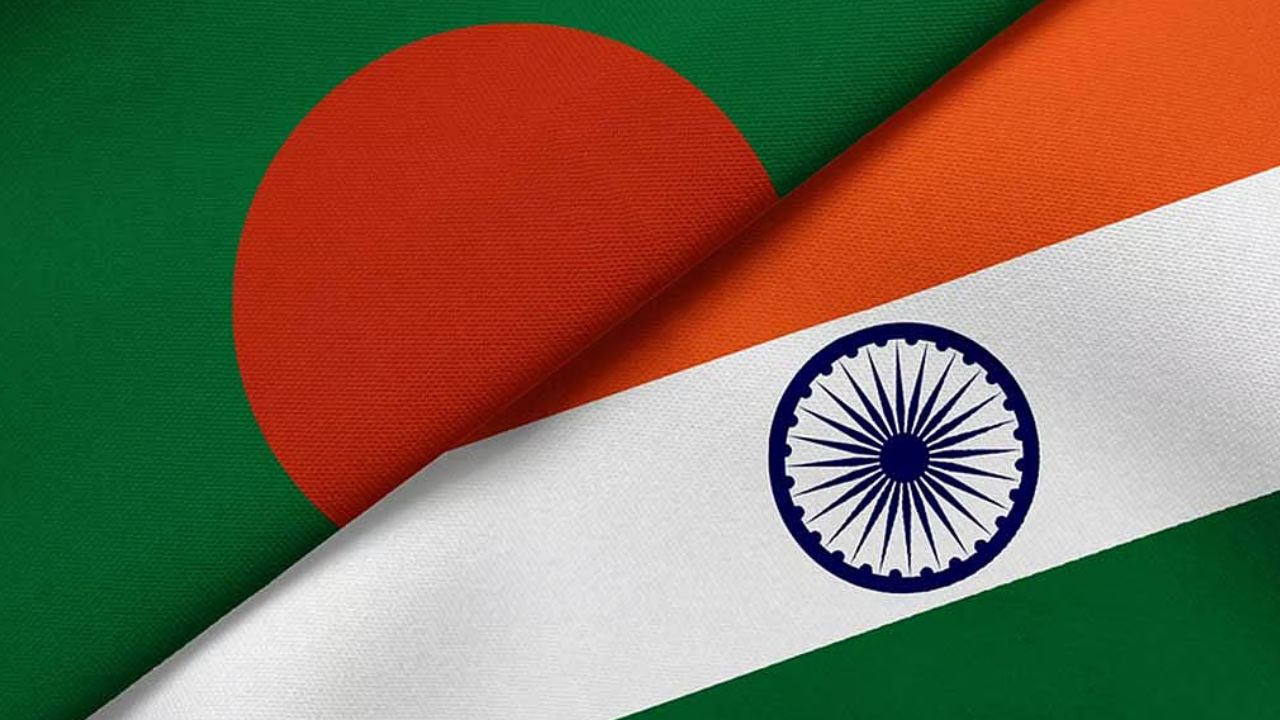
With the 30-year Ganges Water Sharing Treaty set to expire in December, uncertainty is growing over the future of one of the most critical river-sharing arrangements between Bangladesh and India, even as officials from both countries continue technical-level engagement under the existing framework.
A delegation from the Joint Rivers Commission led by Bangladeshi JRC member Md Anwar Kadir is currently in Kolkata to conduct water flow measurements at the Farakka Barrage. The visit marks the second-last scheduled technical engagement under the current treaty arrangement.
According to officials familiar with the process, the next meeting between the two sides is expected to finalise the annual water flow report for 2026. However, despite the treaty’s impending expiry, the current technical discussions do not include any formal mandate to negotiate a renewed framework for future water sharing.
The treaty, signed in 1996, governs dry-season water sharing of the Ganges between Bangladesh and India from January to May each year. Yet with less than seven months remaining before its expiration, neither Dhaka nor Delhi has publicly indicated when formal renegotiation talks might begin.
The lack of visible diplomatic movement has prompted growing concern among analysts, diplomats and water experts, who warn that the timeline for concluding a new agreement is rapidly narrowing.
Bangladesh Foreign Minister Md Khalilur Rahman visited New Delhi in the first week of April, but even after the visit, no clear roadmap for negotiations has emerged.
Experts argue that the issue extends far beyond routine bilateral diplomacy, as the Ganges remains directly linked to agriculture, ecology, river navigation and the livelihoods of millions of people in both countries.
Diplomatic observers say the absence of formal negotiations at this stage is particularly significant because any future agreement would likely require extensive technical review, political consultations and coordination between India’s central government and the state government of West Bengal.

The current JRC exercise at Farakka is therefore being closely watched, not because it is expected to produce a breakthrough, but because it highlights the contrast between ongoing technical cooperation and the absence of a broader political process on the treaty’s future.
Analysts warn that if discussions on a renewed agreement do not begin soon, both countries may face uncertainty over water-sharing arrangements immediately after the current treaty expires at the end of the year.
Former Bangladesh High Commissioner to India Md Mustafizur Rahman said the absence of a treaty framework would create uncertainty and weaken institutional obligations.
“It would be deeply concerning if the treaty expires without renewal or a replacement mechanism in place,” he said. “A formal agreement creates predictability, accountability and a rules-based approach to managing shared water resources.”
He noted that, although negotiations on technical matters can sometimes move quickly, reaching a comprehensive river-sharing agreement between the two neighbours is far more complicated in practice.



“Any understanding on transboundary rivers requires extensive consultations, technical assessments and political coordination,” he said adding it may be easier only if both sides agree to renew the treaty under the same the same terms and conditions.
Echoing the concern, former Bangladeshi Ambassador Mahbub Hassan Saleh said discussions on the future of the treaty should have started much earlier.
“The negotiations should already have been underway. At this stage, it is becoming increasingly difficult to complete a new agreement before December,” he said.
According to Saleh, bilateral engagement on sensitive issues slowed during Bangladesh’s interim government period, but with political stability returning, water diplomacy should now receive priority attention.
Officials familiar with the matter also privately acknowledge that completing negotiations within the remaining timeframe will be challenging.
Existing treaty structure
The current agreement governs the sharing of the Ganges’ dry-season flow between 1 January and 31 May. Water distribution is determined at the Farakka Barrage based on a 40-year average flow and is structured through 10-day sharing cycles.
Under the treaty’s formula, if water flow at Farakka is 70,000 cusecs or less, both countries receive equal shares. If the flow ranges between 70,000 and 75,000 cusecs, Bangladesh is guaranteed 35,000 cusecs and India receives the remainder. When flow exceeds 75,000 cusecs, India receives 40,000 cusecs while Bangladesh gets the rest.
The agreement also contains provisions intended to ensure equitable distribution during critical low-flow periods in April.
However, experts say actual water availability has steadily declined in recent years due to growing upstream withdrawals and changing hydrological conditions.
According to Bangladeshi analysts, increased use of upstream water in India has significantly reduced downstream flow entering Bangladesh during the dry season. They also argue that the existing treaty does not adequately address broader ecological and environmental concerns that have become increasingly urgent over the past three decades.
Reduced sediment flow, declining navigability, riverbank erosion and drying tributaries are among the major concerns now shaping discussions around future water management.
Saleh said available data suggest Bangladesh often received less than its expected share during most of the treaty years.
“The probability of receiving equitable flow may become even more difficult in the future as water demand rises and river flow declines,” he said.
He added that lower water flow into the Padma system has already affected dozens of connected rivers and tributaries inside Bangladesh.
“Nearly 80 tributaries linked to the Padma River have experienced severe degradation or drying because of reduced flow. These environmental realities must be incorporated into any future agreement,” he said.
Need for broader river management
Experts argue that the next generation of negotiations must go beyond simple volumetric sharing formulas and incorporate wider principles of sustainable river management.
When the treaty was signed in 1996, environmental sustainability, climate stress and ecosystem protection were not as prominent in diplomatic discussions as they are today. Since then, climate variability, population growth and rising agricultural demand have dramatically altered the regional water landscape.
Analysts say any future agreement should therefore include provisions on environmental flow, sediment management, efficient water use, data transparency and climate resilience.
The Ganges remains one of the most politically and economically sensitive transboundary rivers in South Asia, and the way Dhaka and Delhi manage the upcoming negotiations is likely to have a broader impact on bilateral trust and regional cooperation.
Diplomatic observers believe both sides still have room to move forward constructively, but they warn that delaying formal talks much longer could complicate efforts to avoid uncertainty after the treaty expires at the end of the year.