Nearly one and a half months have passed since the verdict in the Abu Sayed murder case, the first death of the July 2024 mass uprising, but the full written judgment has yet to be published.
Defence lawyers say they cannot file appeals or seek bail without access to the complete verdict. Sources at the Registrar’s office of the International Crimes Tribunal (ICT) said the writing of the judgment is underway and is expected to be released soon.
Last month, the three-member International Crimes Tribunal-2, led by Justice Nazrul Islam Chowdhury, delivered the verdict.
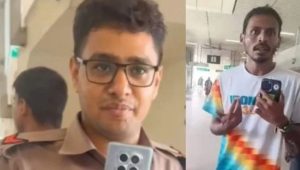
Two individuals – former police assistant sub-inspector Amir Hossain and former constable Sujan Chandra Roy—were sentenced to death, while three others received life imprisonment. The remaining 25 accused were given varying terms of imprisonment.

Among the convicts, seven, including former Begum Rokeya University vice-chancellor Md Hasibur Rashid and proctor Shariful Islam, Chhatra League leader Imran Chowdhury, former assistant registrar Rafiul Hasan Rasel, and former contract employee Anwar Parvez, are currently in jail.
Lawyers said the ICT Act provides convicts the right to appeal and allows filing bail applications alongside appeals. Aminul Gani Tito, lawyer for Shariful Islam, who was sentenced to five years, told TIMES, “We want to file an appeal, but without the full verdict, it is not possible.
Convicts with shorter sentences are more likely to obtain bail after filing an appeal. The delay is depriving them of this legal opportunity.”



Imran Chowdhury’s lawyer, Salauddin Regan, added that they have applied for a certified copy of the judgment, but filing appeals has been stalled because the full verdict is not yet published.
Chief Prosecutor Sheikh Moinul Karim said the timing of the verdict’s publication is entirely at the court’s discretion and that the prosecution has no role in it.
Deputy Registrar Md Mahmudul Hasan said, “The writing of the judgment is in progress. We hope the full verdict will be released soon after the judges’ signatures.”
Under ICT law, both prosecution and defence are entitled to copies of the verdict on the day it is delivered.
Abu Sayed, a student of Begum Rokeya University, Rangpur, was shot dead by police on 16 July 2024. The case was later brought before the ICT for investigation and trial.
The investigation report was submitted to the chief prosecutor’s office on 24 June 2025, and the trial began on 6 August 2025 against 30 accused.
Twenty-five prosecution witnesses were examined, while the defence presented no exculpatory witnesses. The ICT delivered its verdict on 9 April 2026.
The delay in publishing the full judgment has stalled appeals, denying convicts timely access to justice and the opportunity to seek bail, particularly for those with shorter sentences.