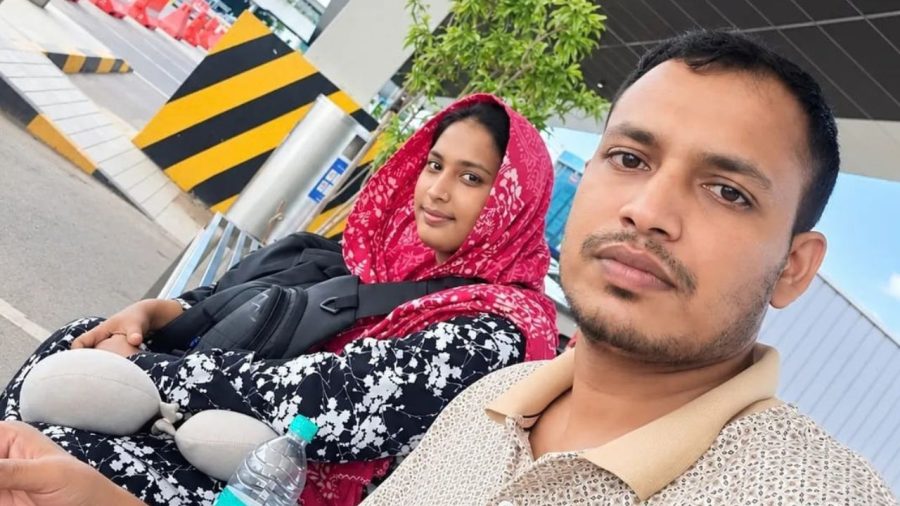



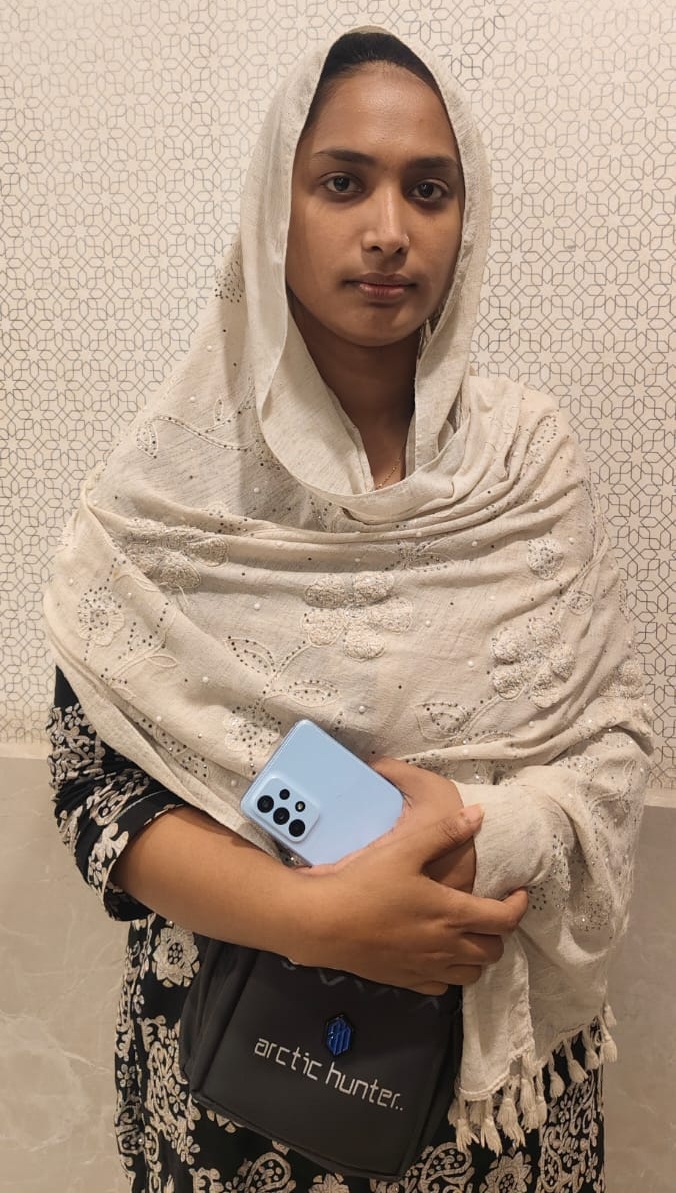
For 26-year-old Tangila Islam Asha, the journey to Bengaluru, India, was a desperate search for better treatment for her husband. Instead, she returned to Bangladesh with his body and a string of questions about his treatment and a bill she says she could never have imagined.
Asha, from Naogaon, travelled to Bengaluru with her 32-year-old husband, Mohammed Abdul Hakim Shabuj, on September 5. Shabuj, a contractual government schoolteacher, had been suffering from kidney-related problems and had already received treatment in Bangladesh.
The couple reached Bengaluru hoping for better medical care. On September 6, Shabuj suddenly developed severe chest pain and breathing difficulties and was taken to Manipal Hospital on Old Airport Road. He was admitted to the ICU after doctors found that he was severely short of oxygen.
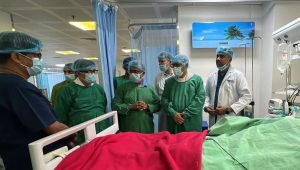
Doctors told Asha that her husband had serious blockages and required urgent treatment. Tests later showed clot formation and blockages in several parts of his lungs. He suffered cardiac arrest twice, was resuscitated and was placed on ECMO and ventilator support. Surgeons performed a pulmonary thromboendarterectomy on September 9, according to hospital.
Unable to fully understand what the doctors were saying because of the language barrier, Asha said she couldn’t speak to her husband after he was taken to the ICU.
His condition continued to deteriorate, and doctors told her that a clot had affected his left leg and that the limb could not be saved. His leg was amputated on September 14. Shabuj died on September 18, according to the family.
The hospital, however, has given a different medical account of the sequence. It said Shabuj arrived with severe breathing difficulty, suffered cardiac arrest and required intensive care, and that despite the efforts of its critical care and surgical teams, he died from his illnesses.
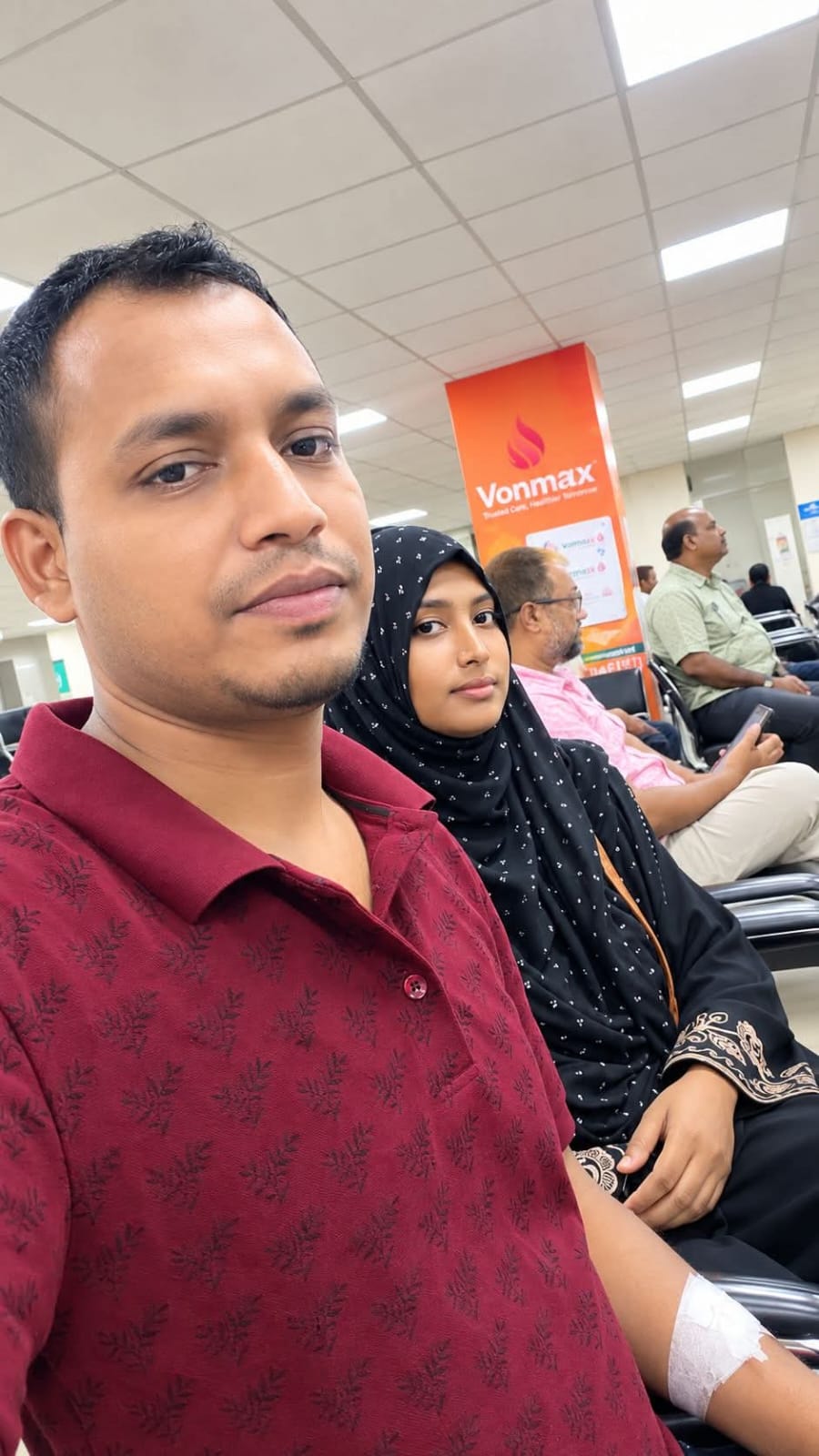

For a heartbroken wife, the ordeal did not end with her husband’s death. Instead, a new kind of ordeal began.
She said that the hospital demanded Rs35.79 lakh [Tk 46 lakh] in outstanding medical costs before releasing his body. The amount is in addition to Rs7.5 lakh she already paid in instalments during the treatment. However, she was not given receipts for those payments or a detailed estimate of the likely treatment cost at the beginning.
“I was completely helpless,” Asha said, alleging that the hospital kept her husband’s body for eight days and retained her passport. She said she repeatedly asked that she could not arrange such a large amount of money and requested the hospital authorities to release the body. “But they refused.”
The family says the amount demanded at different stages varied, with the initial demand reaching around Rs55 lakh.
Asha eventually sought help from the Bangladesh High Commission in New Delhi and people in India who came to know about her situation.


Mohammed Irfan Mustakim, a resident of Malda in West Bengal who helped the family, had tried unsuccessfully to release the body.
“Her family had no way of dealing with the situation,” Mustakim told TIMES, adding local volunteers helped Asha recover her passport and complete the necessary formalities on Monday.
According to him, apart from the money already paid during treatment, the family made no further payment for the release of the body after the matter was taken up with the relevant authorities.
A Manipal Hospital official declined to comment directly on Asha’s allegations. In a statement, the hospital detailed the treatment provided claiming Shabuj had undergone critical care and major surgery before succumbing to his illness.
Saidur Rahman, Press Minister at the Bangladesh High Commission in New Delhi, said the mission had provided assistance to the family and completed the necessary procedures for bringing the body back to Bangladesh.
The High Commission would seek a report from the hospital and the relevant health authorities regarding the allegations made by the family, he added.
Questions beyond the bill
The family questioned how Shabuj’s condition progressed from a kidney-related illness to severe cardiopulmonary complications and ultimately the amputation of his leg.
Talking to TIMES over phone, Asha said her husband had been treated at hospitals in Bangladesh before travelling to India. She said doctors had advised a biopsy in Dhaka, but the family decided to seek treatment in India instead.
She recalled that Shabuj appeared well when they arrived in Bengaluru and was preparing to take treatment at Christian Medica College, Vellore. On September 6, the couple even went out briefly. On their way back, he suddenly complained of chest pain and breathing difficulty.
“He was completely normal when we went out. Suddenly he said he was having chest pain and could not breathe properly,” she said.
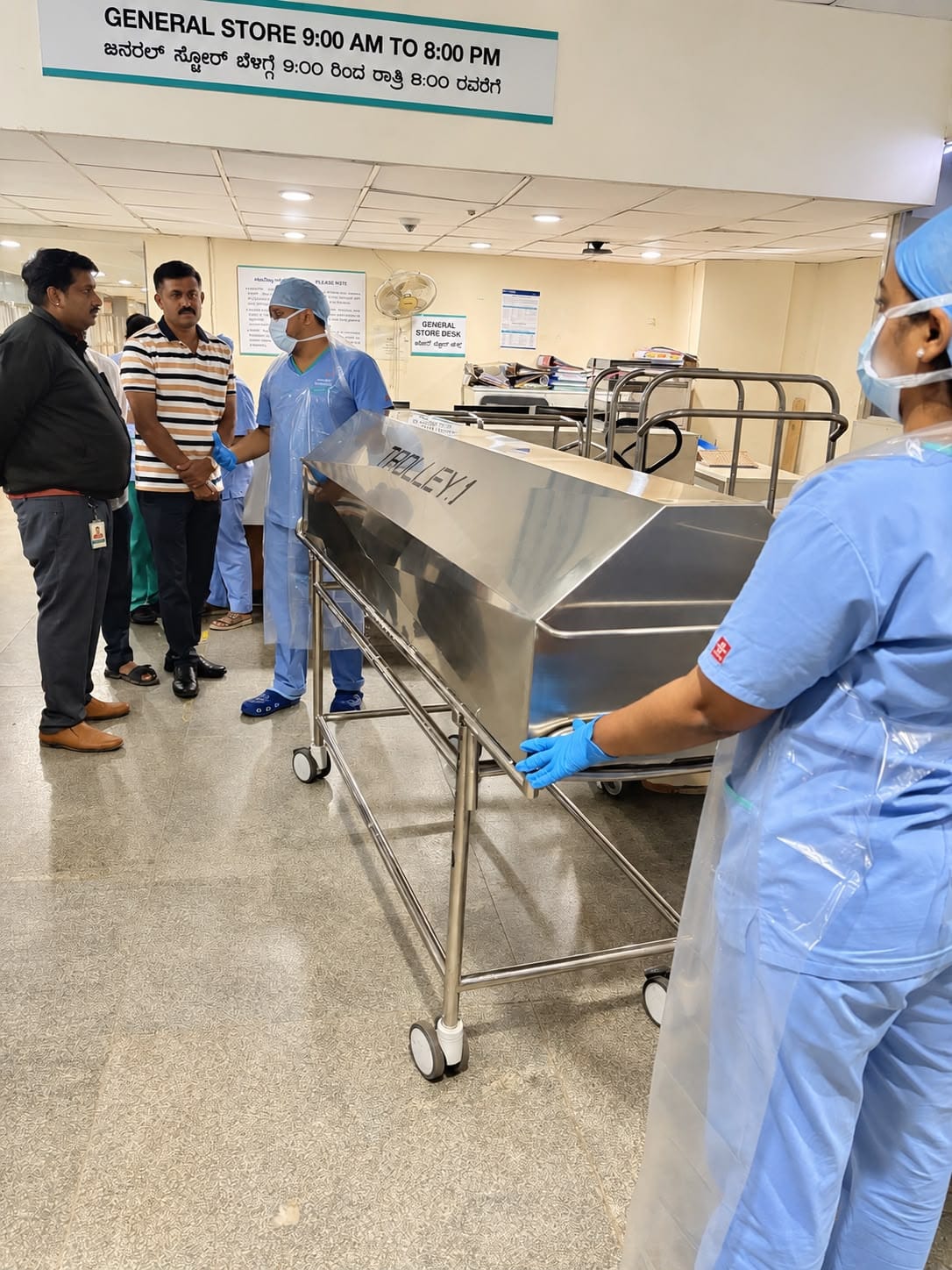
Soon afterwards, she took her husband to Manipall hospital and staff there rushed him to the emergency department and then to the ICU.
Asha said she had relied heavily on a neighbour, identified as Tutul, to arrange the trip and communicate with people in India. She said about Rs7.7 lakh had been sent for the treatment through that arrangement.
Mustakim alleged that the family had become dependent on intermediaries because of language and communication difficulties. He also alleged that patients from Bangladesh can be particularly vulnerable when they rely on brokers to select hospitals and arrange treatment.
The family has raised questions about billing and communication, alleging that they were not given a clear estimate of the likely cost before treatment and that the payments they made were not properly documented.
Ash urged Bangladeshi patients travelling abroad for medical care to verify hospitals, doctors, treatment plans and billing procedures independently before admission.
Asha came to Bengaluru with her husband hoping to bring him home after treatment. She returned alone after 22 days, carrying his body back to their eight-year-old son.
Shabuj’s body was handed over to his family members at Hili Border at around 8:30pm Monday. He will be buried at his village in Naogaon.