West Bengal heads to the polls on Thursday under a cloud of controversy, with allegations of large-scale voter deletions and a surge in anti-Muslim and anti-Bangladesh rhetoric shaping the electoral environment. In the first phase, voting will be held in 152 of the state’s 294 seats, with the second phase scheduled for 29 April. The results are expected on 4 May.
The entire state remains under tight security, with the Election Commission deploying nearly 250,000 personnel—reportedly the highest ever for an election in West Bengal—to ensure order during the voting process. The election atmosphere has become so tense that law enforcement agencies even searched diplomatic vehicles—despite established protocols that such vehicles are typically exempt from police inspection.
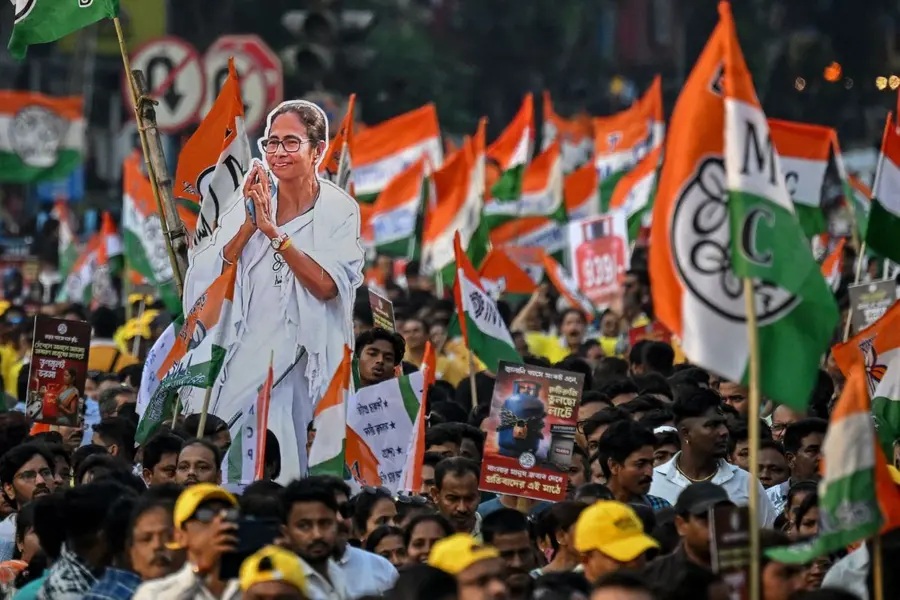
The political contest is primarily among the Trinamool Congress (TMC), Bharatiya Janata Party (BJP), Indian National Congress (INC), and the Left Front alliance led by the CPI(M). In the previous election, the TMC secured a landslide victory, winning 215 seats and ensuring a third consecutive term for Chief Minister Mamata Banerjee.
There is growing speculation that the TMC is likely to win the election again, as many voters in West Bengal appear disenchanted with the controversy over alleged voter deletions, while secular-minded constituents are expected to reject right-wing forces.
Controversy over voter roll revision
This election cycle has been marked by unprecedented controversy surrounding the Special Intensive Revision (SIR) of electoral rolls. The exercise has led to the removal of approximately 9 million voters—around 12 per cent of the electorate—from the draft list.

Officials claim that over 6 million names were removed on grounds such as death or absentee status. However, the status of nearly 2.7 million others remains unresolved, with many cases—including entire families—referred to special tribunals for verification.

While SIR has been conducted in multiple Indian states, West Bengal stands out for introducing an additional layer of adjudication after the initial revision, raising concerns among observers about transparency and fairness.
Reports suggest that a significant portion of those affected are Muslims, many of whom have been labeled as suspected “infiltrators.” Critics argue that such classification risks disenfranchising legitimate voters and altering the electoral landscape.




Senior West Bengal journalist Abdul Odud, speaking from his village in Murshidabad, claimed that 449 out of 1,042 voters in his locality had been removed, many of them Muslims. He described the process as a form of “election engineering” aimed at influencing the outcome.
The TMC has strongly opposed the SIR process from the outset, questioning its intent and implementation, while the BJP has defended the exercise as necessary for maintaining the integrity of voter lists, he added.
Anti-Bangladesh campaign
Alongside voter-related controversies, the election campaign has been marked by a renewed wave of anti-Muslim and anti-Bangladesh rhetoric, particularly from right-wing political groups. Analysts say such narratives are being used to consolidate Hindu votes by portraying certain communities as outsiders.
In several campaign speeches, BJP leaders have referred to alleged “Bangladeshi infiltrators,” vowing to take action if elected. Critics argue that this language not only targets minority communities but also risks straining relations with Bangladesh.
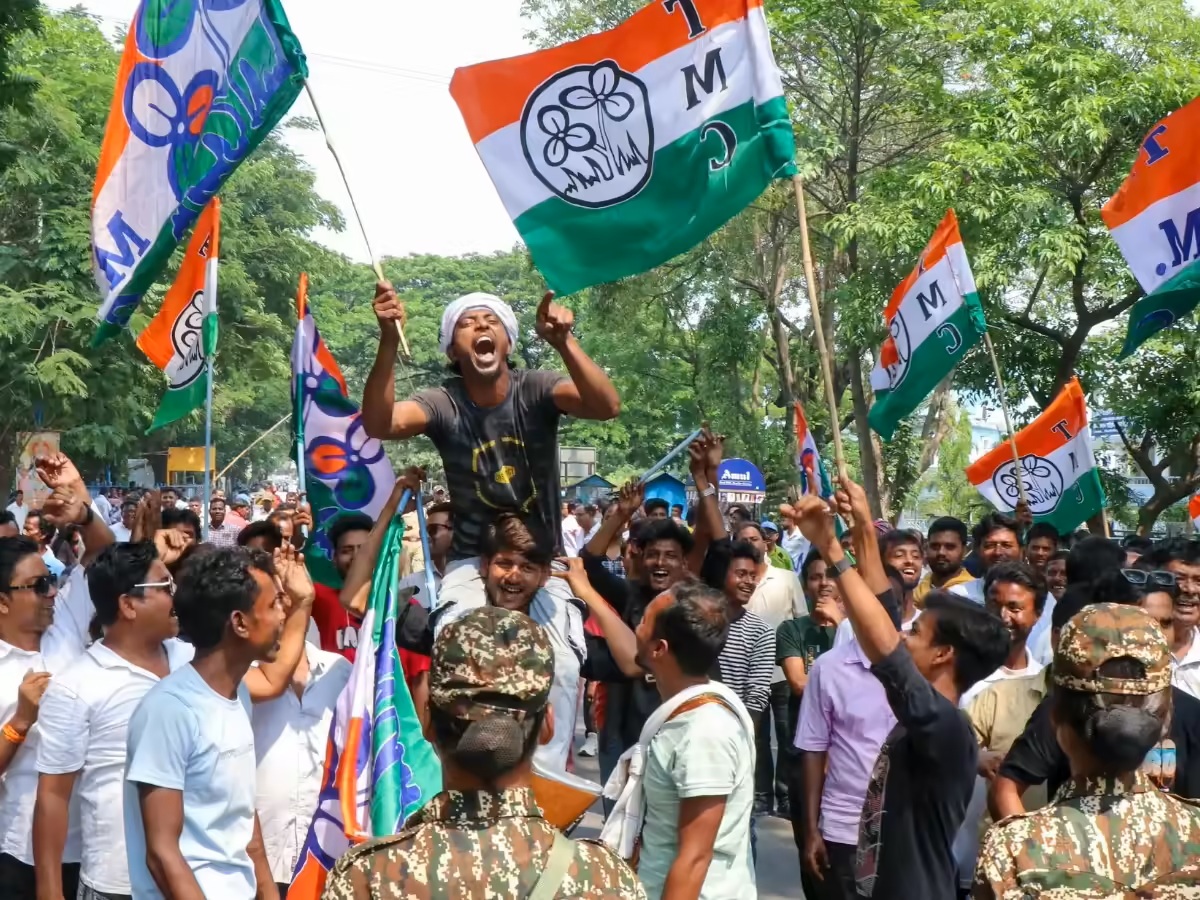
Abdul Odud noted that the BJP, which has never formed a government in West Bengal, appears determined to capitalize on identity politics to improve its electoral prospects. “They are trying to create an environment of fear and attract Hindu voters through anti-Muslim and anti-Bangladesh narratives,” he said.
Concerns have also been raised about the potential implications of the SIR process. Observers fear that individuals flagged as “infiltrators” could face legal or administrative actions, including possible attempts to push them across the border.
Implications for Bangladesh-India relations
The developments have drawn attention in Dhaka, where policymakers are closely monitoring the situation.
A former official of the Ministry of Foreign Affairs described the issue as a matter of “serious concern,” noting past instances where attempts were allegedly made to push individuals into Bangladeshi territory.
He pointed out that such actions had previously been challenged within India’s own legal framework, with courts directing authorities to take responsibility for their citizens. “There is a need to sensitise Indian authorities and remain prepared to respond if any such situation arises again,” he said.
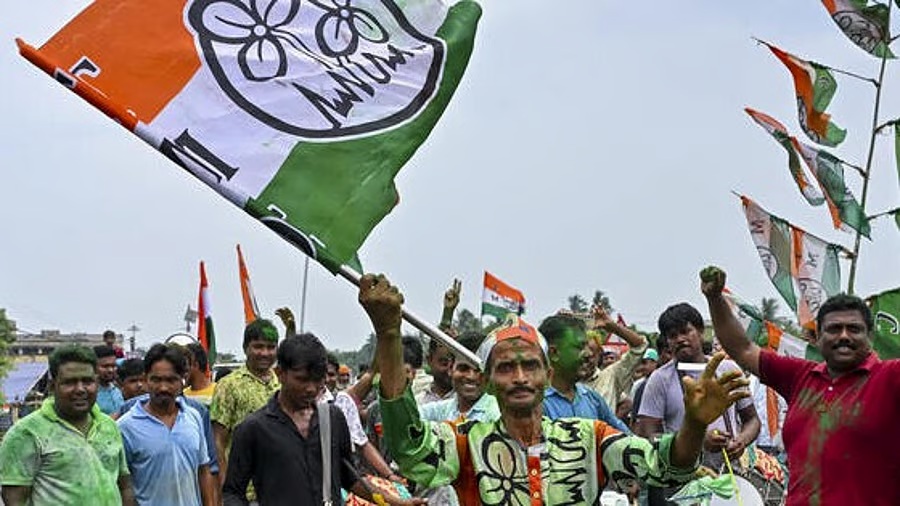
Analysts warn that continued use of anti-Bangladesh rhetoric for electoral gains could cast a shadow over bilateral relations between Dhaka and New Delhi. They argue that short-term political strategies risk undermining long-term regional cooperation and stability.
As West Bengal votes, the outcome of this election will not only determine the state’s political future but may also carry broader implications for social cohesion and cross-border relations in South Asia.