

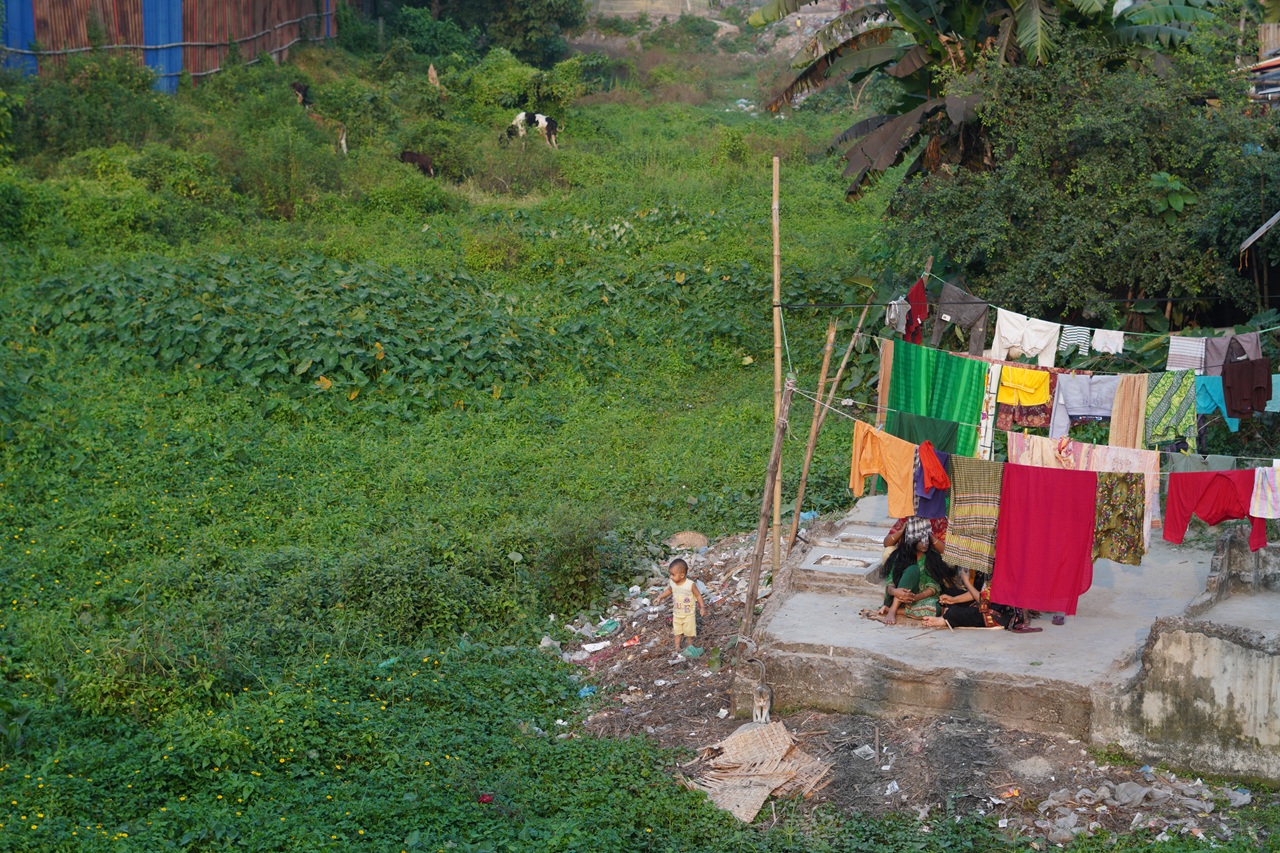
Dhaka is slowly losing its canals. Not to time, but to people. Everywhere you look, water is being pushed aside by concrete, and the Ramchandrapur canal shows this clearly. This one canal tells a bigger story, a city where encroachment never stops and nature keeps losing ground.
Ramchandrapur canal first came into discussion after the incident involving “Sadiq Agro’s goat incident.” Over a year ago, Dhaka North City Corporation (DNCC) cleared its banks through an eviction drive. It was believed that this drive would mark a new beginning for restoring the city’s water bodies. But within a year, new construction started again. Even though RAJUK refused permission, a five-story building has already been completed.
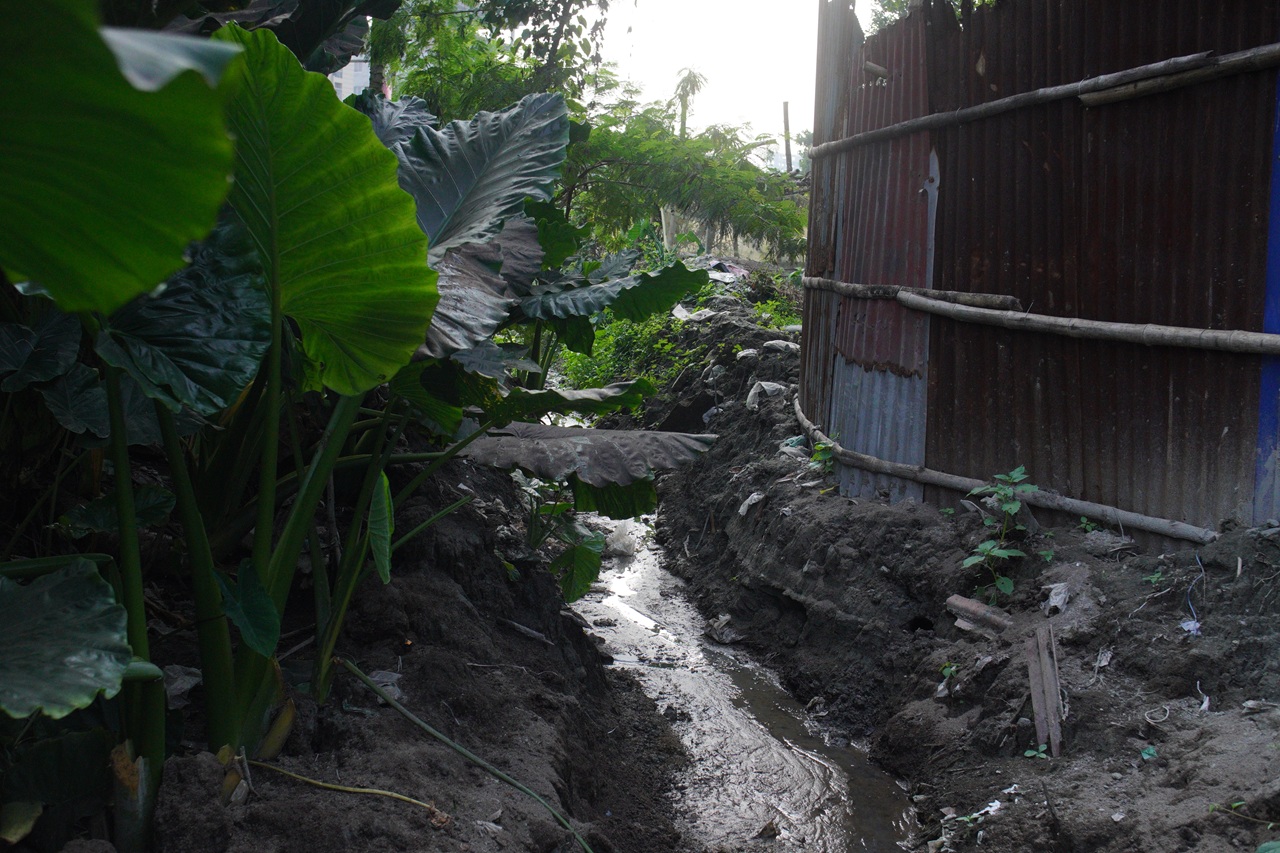
This single incident reveals a much deeper crisis. Dhaka’s canals are trapped in an endless cycle of encroachment, eviction and re-encroachment. It is fuelled by administrative negligence, weak enforcement and public indifference. With natural drainage routes blocked, rainwater has nowhere to go. Waterlogging worsens, drainage system collapses. The city becomes more difficult to live in.

A fellow member of the Bangladesh Institute of Planners (BIP), Dr Adil Mohammed Khan, told TIMES of Bangladesh about the importance of flowing water bodies. “If the water had remained flowing, natural systems would still be alive. But we have understood development only as roads and buildings. We never considered preserving natural landscapes as part of development,” he said.
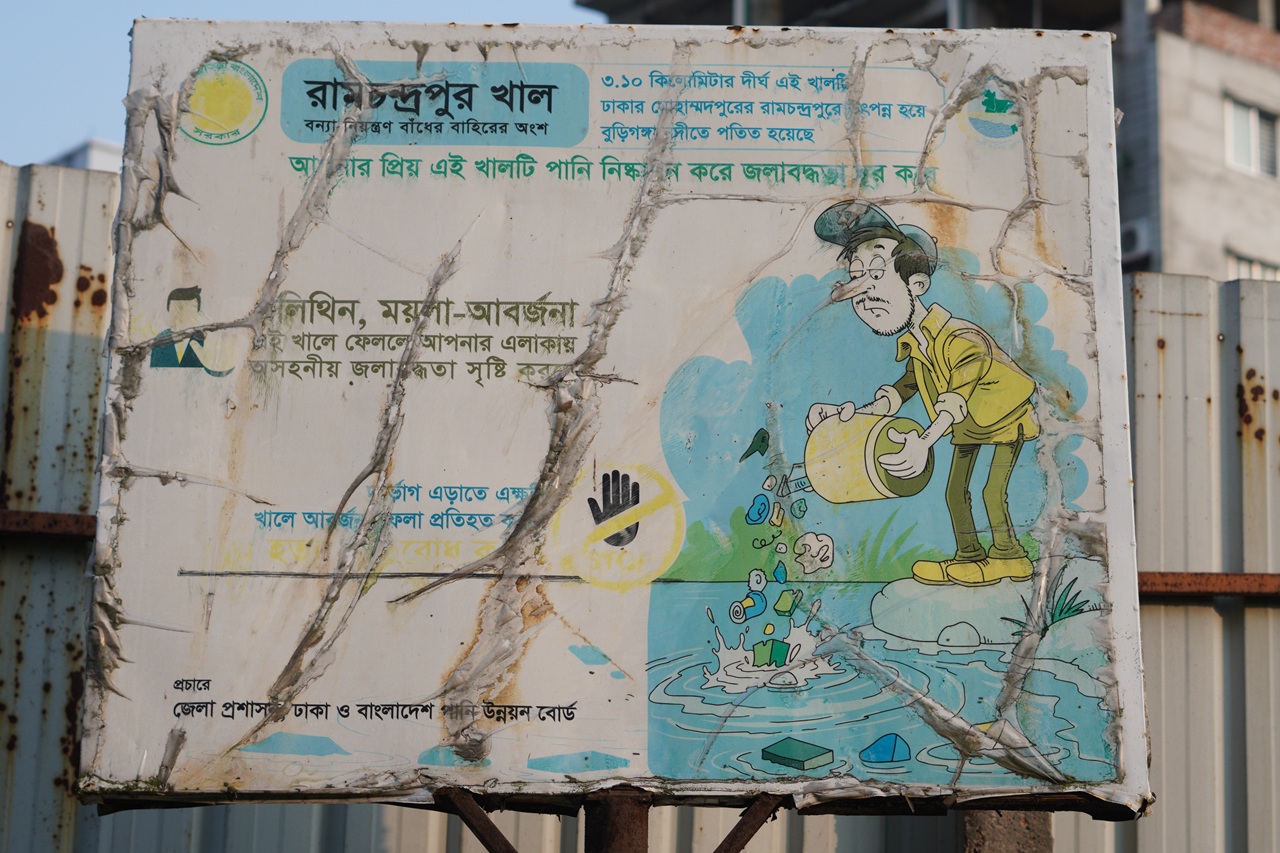
A joint survey by Dhaka North and South City Corporations shows that nearly half of the canals in the capital are dead or without flow. There are now 69 identified canals under their jurisdiction. DNCC is responsible for 29 canals and one waterbody, and DSCC is responsible for 25 canals.




Professor Adil further explained the planning failure. “We always do reactive planning. After the damage is done, we take small measures. But for sustainable development, natural elements must be protected in advance.”
He describes Dhaka’s urbanisation as being trapped in a “development illusion,” where nature is treated as an obstacle filled, buried or controlled through construction, without understanding the consequences.
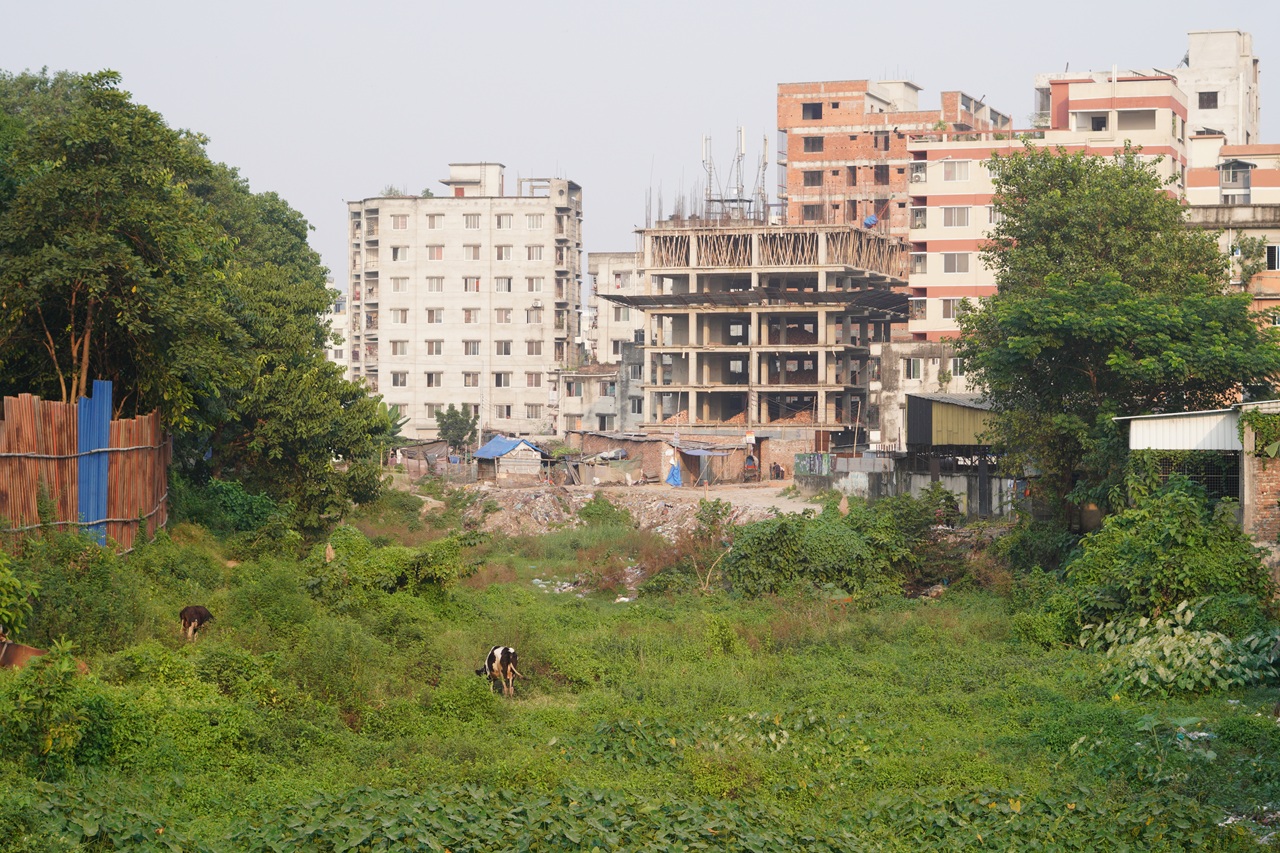
The scale of the crisis is enormous. A recent study shows that 60% of Dhaka’s wetlands and canals have disappeared. Now, only 5 to 7 per cent of the city area remains as natural water bodies. Without ecological zones or dedicated regeneration areas in city planning, Dhaka’s breathing spaces are shrinking rapidly.
According to the urban planner, preventing further encroachment must begin immediately. “No new structure should be built by filling water areas. Restoration projects can be taken up, and those who caused the damage should also be involved in rebuilding.”
Highlighting the environmental consequences, Professor Dr M. Maksudur Rahman from the dept. of Geography and Environment of the University of Dhaka said, “In the past, canals and wetlands in Dhaka could hold rainwater. Now that they are occupied, rainwater cannot move through canals, so even a little rain floods the streets. This is not flooding; this is prolonged waterlogging caused by encroachment.”
Water once shaped this city. Now the city is pushing the water out. But canals remember their paths, and when they return, they return with force. Dhaka still has time to choose a different ending. To protect what remains, to bring back what was lost before the concrete settles forever.