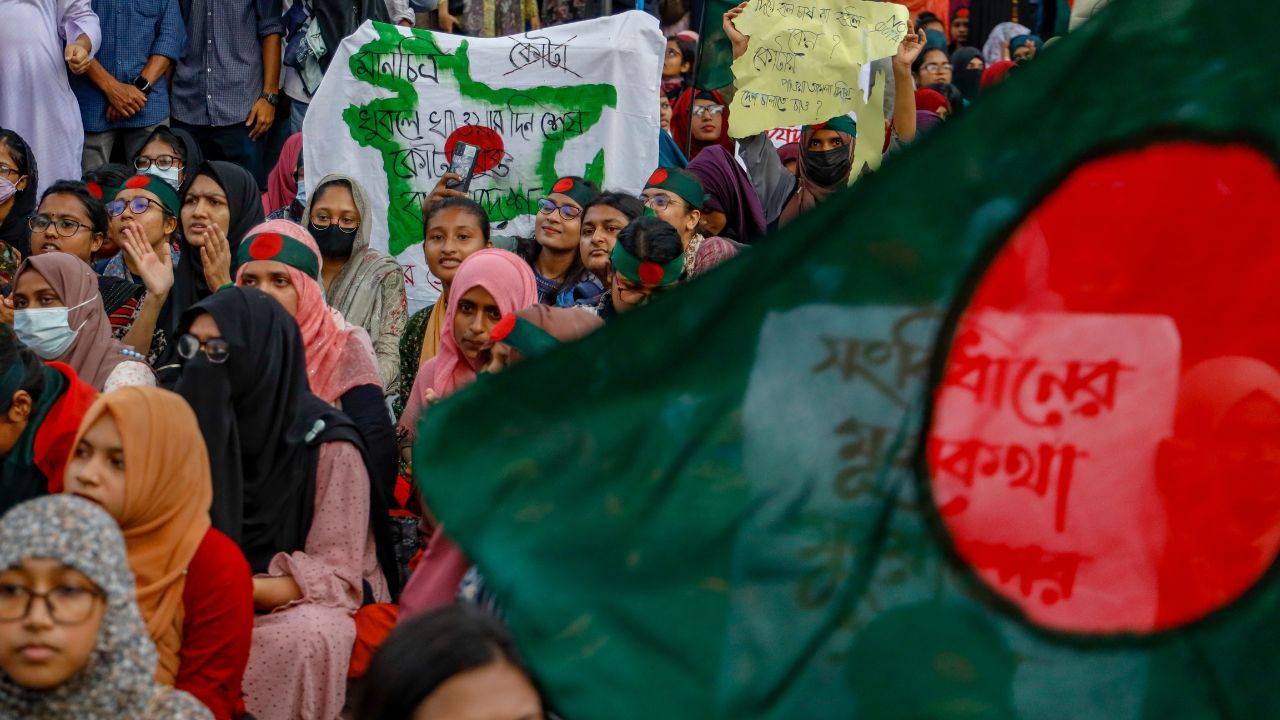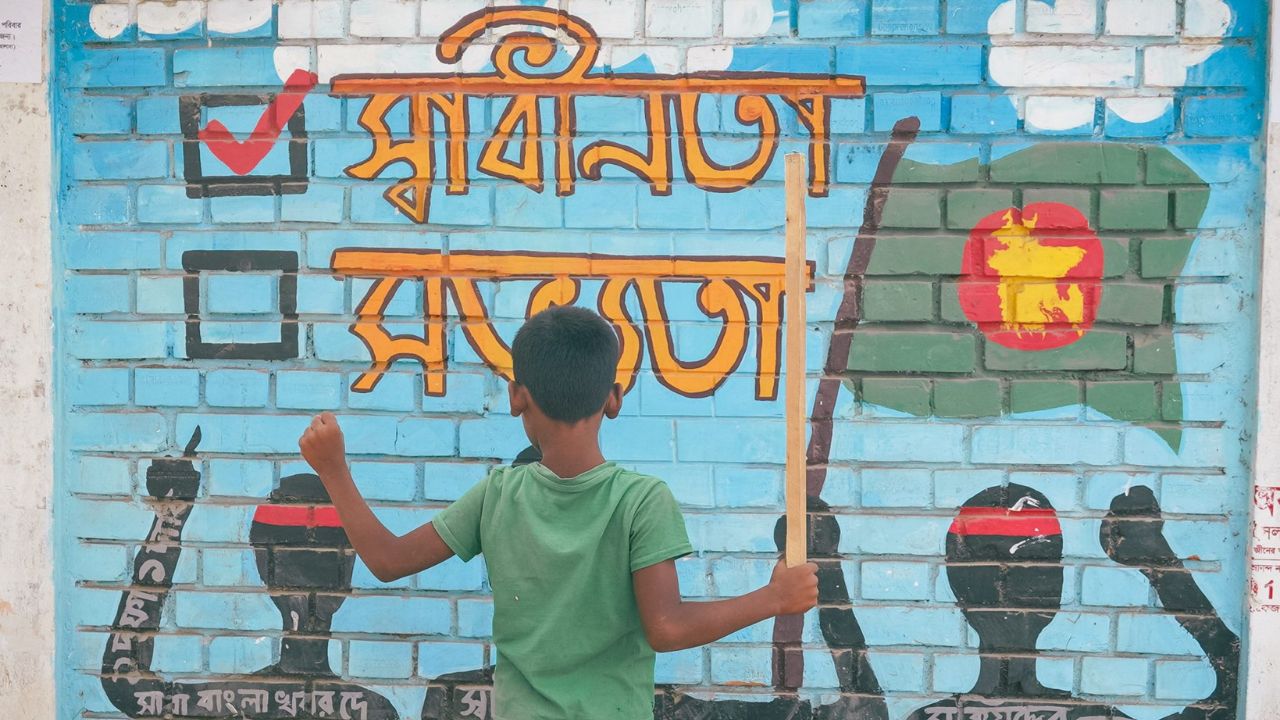



A student movement demanding reform of the government job quota system transformed into a nationwide uprising in July 2024, as anger over violence, deaths and alleged repression pushed the movement far beyond its original demand.
The protests began after the High Court on 5 June ruled that the 2018 decision to abolish quotas in government jobs was unlawful. The ruling reignited a debate over the quota system and prompted Dhaka University students to launch demonstrations demanding merit-based recruitment.
The quota issue had remained contentious since 2018, when 56 per cent of government jobs were reserved under different categories. Following widespread protests, the government issued a circular in October that year abolishing quotas for Class IX to XIII government posts.
The circular was later challenged in court through a writ petition filed in 2021. After lengthy proceedings, the High Court declared the rule absolute on 5 June 2024, effectively restoring the quota system.
The ruling triggered fresh protests, initially led by Dhaka University students. After demonstrations throughout June, the Anti-Discrimination Student Movement announced a nationwide programme from 1 July, including class and examination boycotts, sit-ins, rallies and road blockades.
Major intersections in Dhaka, including Shahbagh, Nilkhet, Science Lab and Banglamotor, were blocked by protesters. Similar blockades were staged on major highways, including Dhaka-Aricha and Dhaka-Chattogram routes.
On 10 July, the Appellate Division imposed a four-week status quo on the quota issue. However, protesters continued demanding reforms to the quota system for all grades of government jobs.
The situation escalated after 14 July, when then Prime Minister Sheikh Hasina referred to protesting students as “children of Razakars” during a press conference at Ganabhaban after students submitted a memorandum to President Mohammed Shahabuddin.

The remark triggered widespread anger among protesters. That night, students held a protest procession at Dhaka University, with female students breaking open locked hall gates to join the demonstrations.
Students chanted slogans opposing the government, while protests also spread to other universities. On the same day, several students were injured in clashes at Chattogram University following an alleged attack by Bangladesh Chhatra League activists.
The following day, Awami League General Secretary Obaidul Quader said Chhatra League would give protesters an “appropriate response”. Later, clashes broke out at Dhaka University, leaving more than a hundred protesters injured.
That evening, helmet-wearing Chhatra League activists allegedly entered Dhaka Medical College Hospital, where injured protesters were receiving treatment, and attacked them. Allegations of vandalism at the hospital premises also emerged.
Similar incidents were reported at Rajshahi University and Comilla University, prompting the Anti-Discrimination Student Movement to call for nationwide protests on 16 July.

Deaths change the course of movement
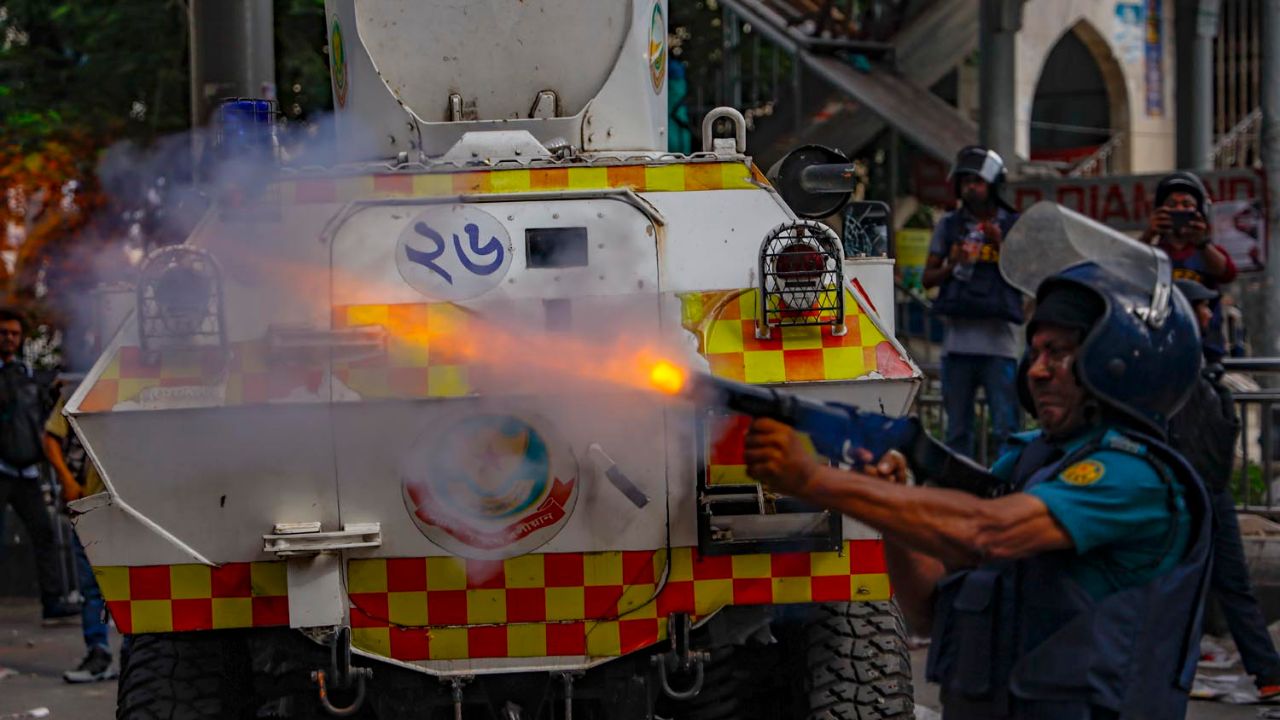
16 July became a watershed moment as clashes between protesters, police and ruling party activists resulted in multiple deaths across the country.
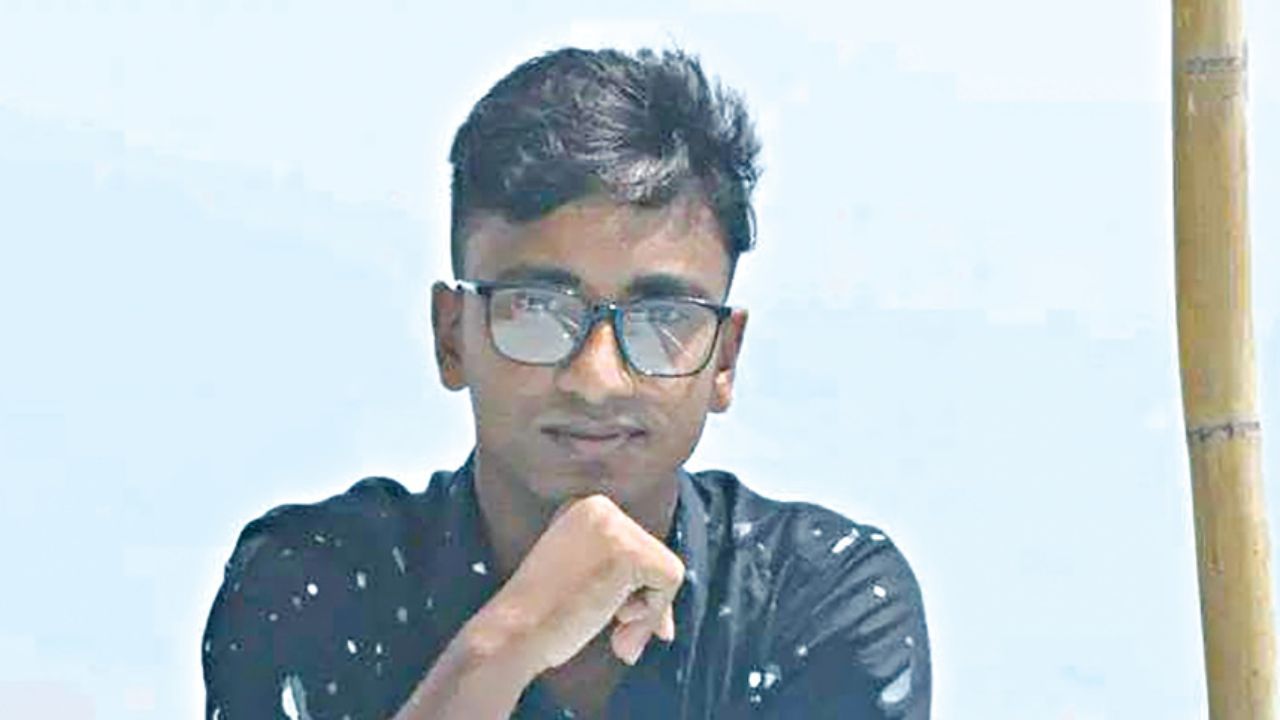
At least six people were killed on the day, including Abu Sayed, an English department student at Begum Rokeya University in Rangpur and one of the key coordinators of the movement.
A video showing Abu Sayed standing with his arms spread out before being shot went viral on social media, sparking widespread outrage. Amnesty International later said that protesters had scattered after police action near the university and that Sayed was shot from close range while standing on the road.
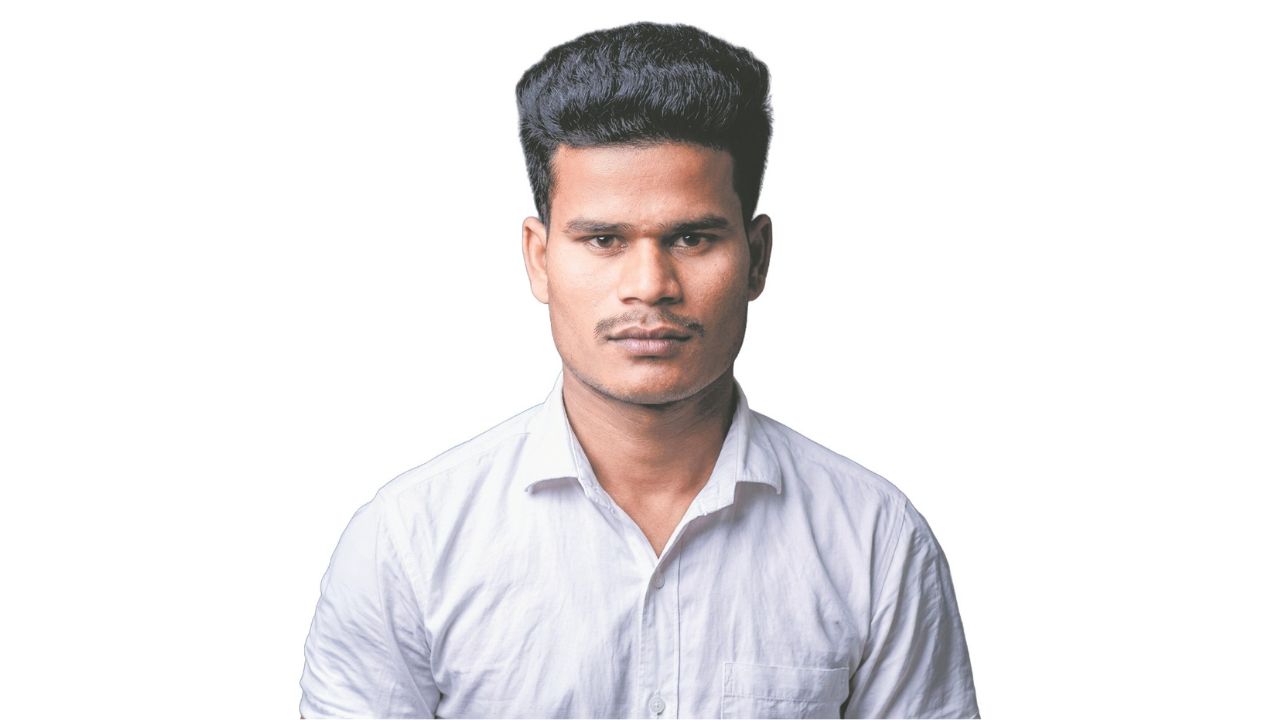
Two people were killed in clashes around Dhaka College and Science Lab, while three others died in Chattogram, including two students.
As protests intensified, major roads in Dhaka, including those in Jatrabari, Motijheel, Badda, Uttara, Pragati Sarani and Mohakhali, were blocked. A rail blockade at Mohakhali disrupted train services between Dhaka and other parts of the country for six hours.
Blockades were also reported on major highways, including Dhaka-Chattogram, Dhaka-Sylhet, Dhaka-Tangail, Dhaka-Mymensingh and Chattogram-Cox’s Bazar routes.
The government deployed Border Guard Bangladesh personnel in several districts, including Dhaka, Chattogram, Rangpur, Rajshahi, Gazipur and Bogura, to control the situation.
All public and private universities, affiliated colleges and residential halls were ordered to close indefinitely. Secondary schools and colleges were also shut, while the HSC and equivalent examinations scheduled for 18 July were postponed.
Mourning turns into resistance
The deaths of 16 July transformed the movement into a broader campaign.
On 17 July, the Anti-Discrimination Student Movement organised a funeral prayer in absentia and a coffin procession at Dhaka University’s Raju Sculpture to mourn those killed during the protests.
Similar programmes were held at educational institutions across the country, as students turned grief into a wider expression of resistance.
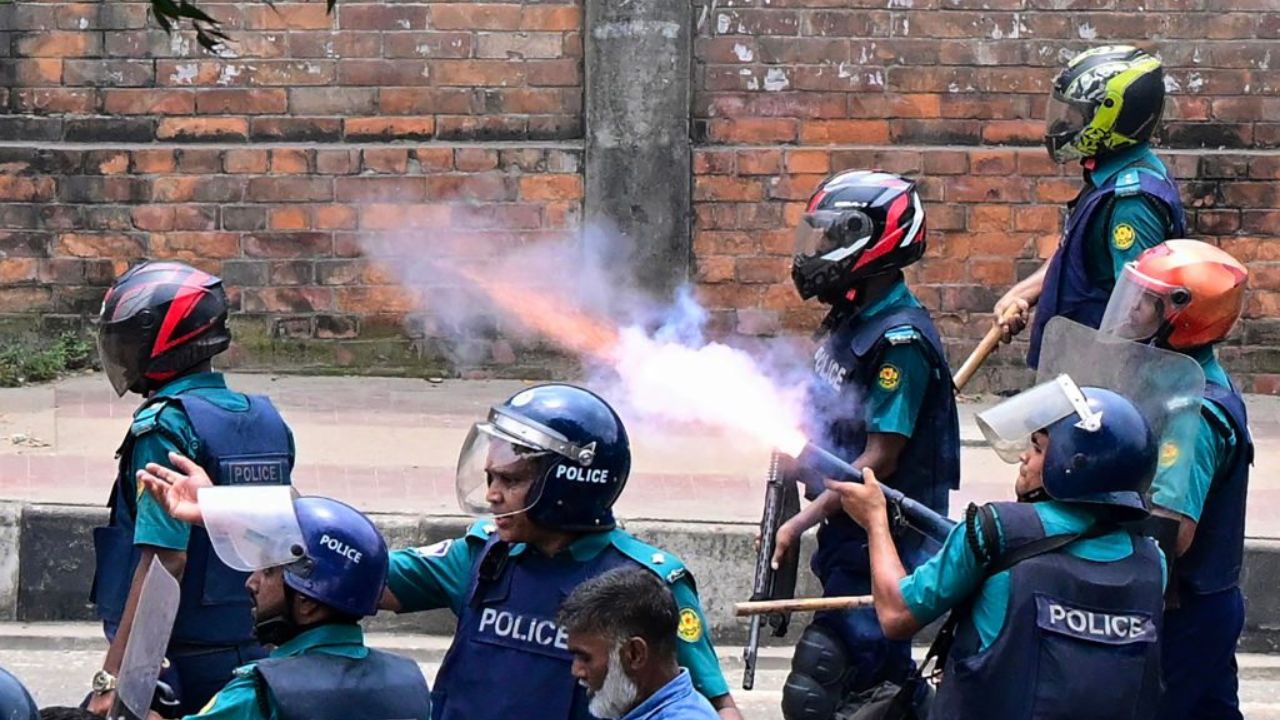
Police dispersed protesters before the scheduled prayer by firing tear gas and sound grenades. Later, protesters held the prayer in front of the Dhaka University Vice-Chancellor’s residence.
After the prayer, students carried a symbolic coffin and took an oath to continue the movement until their demands were met.
Protesters later attempted to move towards TSC after breaking through police barricades but were stopped by law enforcement. Police fired sound grenades as protesters continued demonstrations in the area.
Clashes were reported in at least eight districts, while roads, highways and railway tracks were blocked at multiple locations. In Dhaka, clashes took place in Jatrabari, Kajla and Shanir Akhra, where police used rubber bullets, sound grenades and tear gas.
The government also shut down Facebook, while protesters announced a nationwide “complete shutdown” programme for the following day.
Although authorities ordered students to leave university halls, protesters said they would not leave Dhaka and would continue the movement until their demands were fulfilled. At Dhaka University, students forced Chhatra League activists to leave 17 residential halls.
At Jahangirnagar University, students rejected the hall evacuation order and confined the vice-chancellor and syndicate members. Similar protests and clashes were reported in Rajshahi University, Jagannath University, Gaibandha, Brahmanbaria, Barishal, Bogura and Munshiganj.
In a televised address, then Prime Minister Sheikh Hasina urged students to remain patient until the Supreme Court delivered its verdict. Meanwhile, the government filed a leave-to-appeal petition before the Appellate Division’s chamber court challenging the High Court verdict on quotas.
The deaths of 16 July and the mourning programmes of 17 July marked a decisive shift in the movement. What began as a demand for quota reform evolved into a wider protest movement, gaining broader public support and eventually developing into a mass uprising.