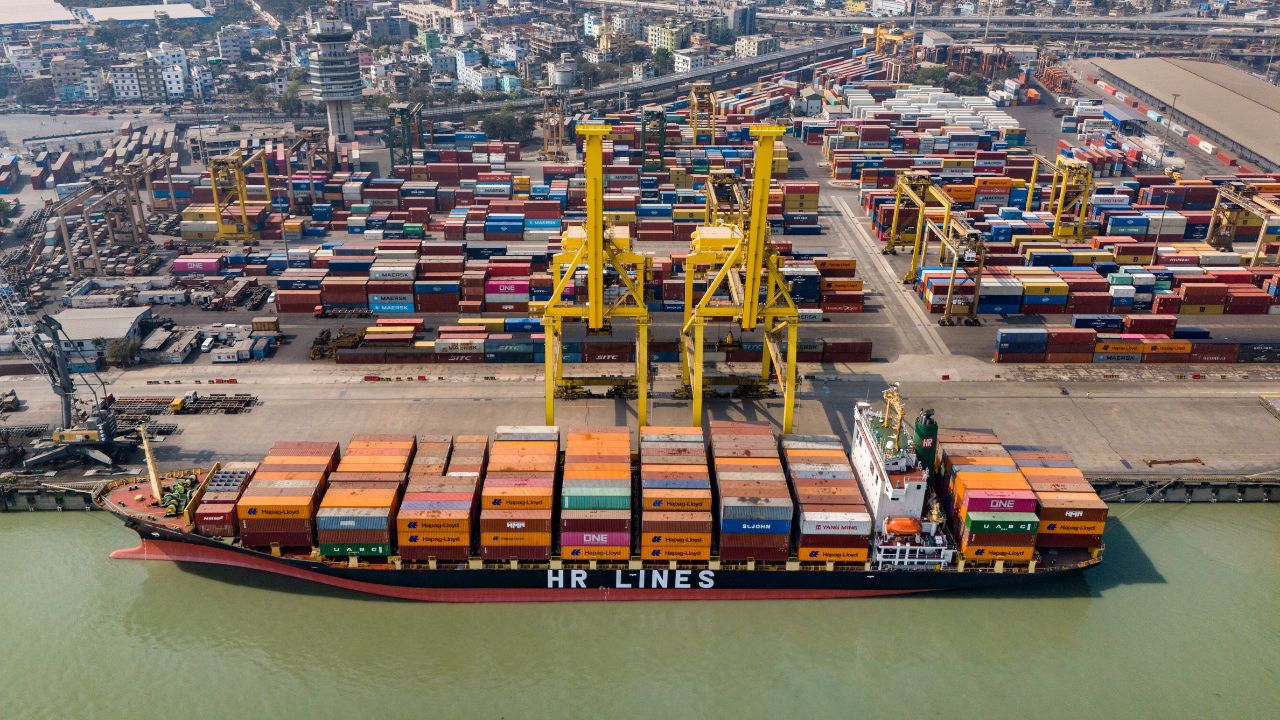


Bangladesh’s shrimp export earnings have fallen nearly 38 per cent over the past 15 years, pressured by slow adoption of Vannamei farming which helped global competitors expand output and cut costs.
Export income dropped from $477.83 million in fiscal year 2010-11 to $296.29 million in FY2024-25, according to Export Promotion Bureau (EPB).
Industry leaders said targeted policy support and rapid expansion of Vannamei shrimp farming could reverse the trend and lift exports five to ten fold within five years.
“Bangladesh is losing competitiveness while rivals expand through modern farming and incentives,” said Bangladesh Frozen Foods Exporters Association (BFFEA) President Mohammad Shahjahan Chowdhury.
He said the sector is in severe crisis due to lack of supportive policies, high borrowing costs and weak production planning.
Bangladesh mainly exports Bagda, Galda and Horina shrimp, with Bagda accounting for the largest share.
The species are mostly farmed in ghers, with some sourced from the sea before processing and export.

Industry officials say the export decline is linked to Bangladesh’s slow shift to Vannamei, now the dominant global variety.
Vannamei accounts for about 77 per cent of global shrimp production, sharply reducing demand for Bagda and Galda.
Countries including India, Vietnam, Thailand and Iran have expanded exports through large-scale Vannamei cultivation.
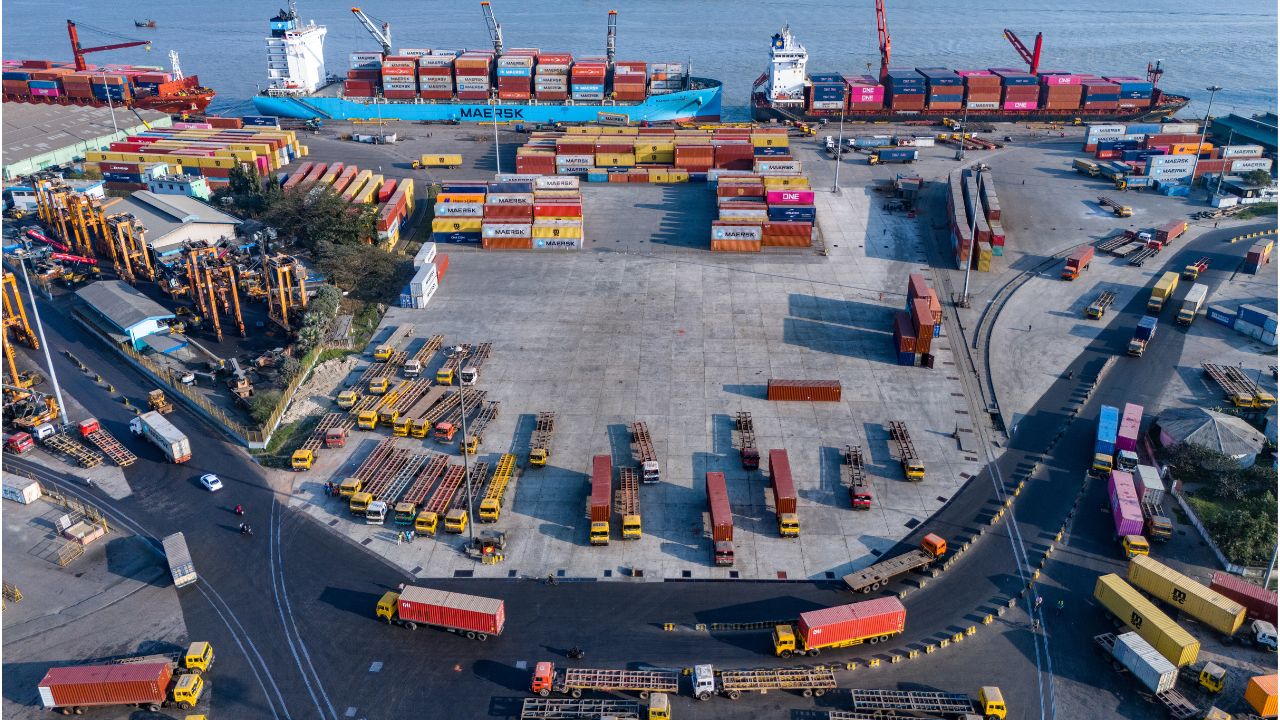
Bangladeshi shrimp is exported to Europe, the United States, Japan, Korea, Canada, the Middle East and Australia, though shipment volumes have fallen across most markets.
Pacific Sea Food Ltd Managing Director and BFFEA Vice President Dodul Kumar Dutta said Europe remains the largest market, taking around 70 per cent of exports, with the rest going to the United States, Russia and others.


He said of around 110 processing factories in Bangladesh, only 35 to 40 are currently operational, while just 25 of the country’s 91 licensed establishments export regularly.
Around 1.5 crore people depend directly or indirectly on shrimp and fish farming.
“Bagda yields are only 300 to 350 kilograms per hectare, while Vannamei can reach 40 to 60 tonnes,” Dodul Kumar Dutta said.
He said the productivity gap has made Vannamei cheaper and more competitive in global markets.
Fahim Sea Food Managing Director M A Hasan Panna said Bangladesh approved Vannamei farming in 2023, but rollout remains slow.
Authorities had raised concerns over environmental risks, disease transmission and possible impacts on indigenous species, he said.
Vannamei can be harvested within three months, with production costs between Tk350 and Tk400 per kilogram, making it commercially attractive due to lower costs, faster growth and high-density farming.
Only eight to ten small companies have so far received permission to farm Vannamei on a limited scale.
Panna said large quantities of shrimp fry are entering Bangladesh illegally from India and are being used by some gher owners.
Shahjahan said shortages of raw materials, declining production and policy shortcomings are worsening the export slump.
Exporters in Bangladesh borrow at interest rates of 15 to 16 per cent, while competitors in India, Vietnam, China and Thailand receive subsidies, electricity rebates and loans at 4 to 5 per cent, he said.
As a result, many local factories have become debt-ridden or shut down, leaving processing plants operating at only 15 per cent capacity, with 85 per cent remaining idle.
Despite the broader downturn, EPB data show shrimp exports posted slight growth during July-November compared with the same period a year earlier.
Stricter action against malpractice such as jelly pushing and underweight shipments has helped restore buyer confidence, Shahjahan said.
Panna said Bangladesh farms shrimp on around 2,75,000 hectares of land, but India produces nearly ten times more shrimp on just 75,000 hectares through modern technology, where Bangladesh still relies heavily on traditional farming methods.
BFFEA has submitted proposals to the government, Bangladesh Bank and the Department of Fisheries seeking policy support, infrastructure development and expanded Vannamei farming.
“If the government treats shrimp farming like agriculture, allows hatcheries and feed mills, and provides proper incentives, Bangladesh’s shrimp exports could grow five to ten times within five years,” Shahjahan said.