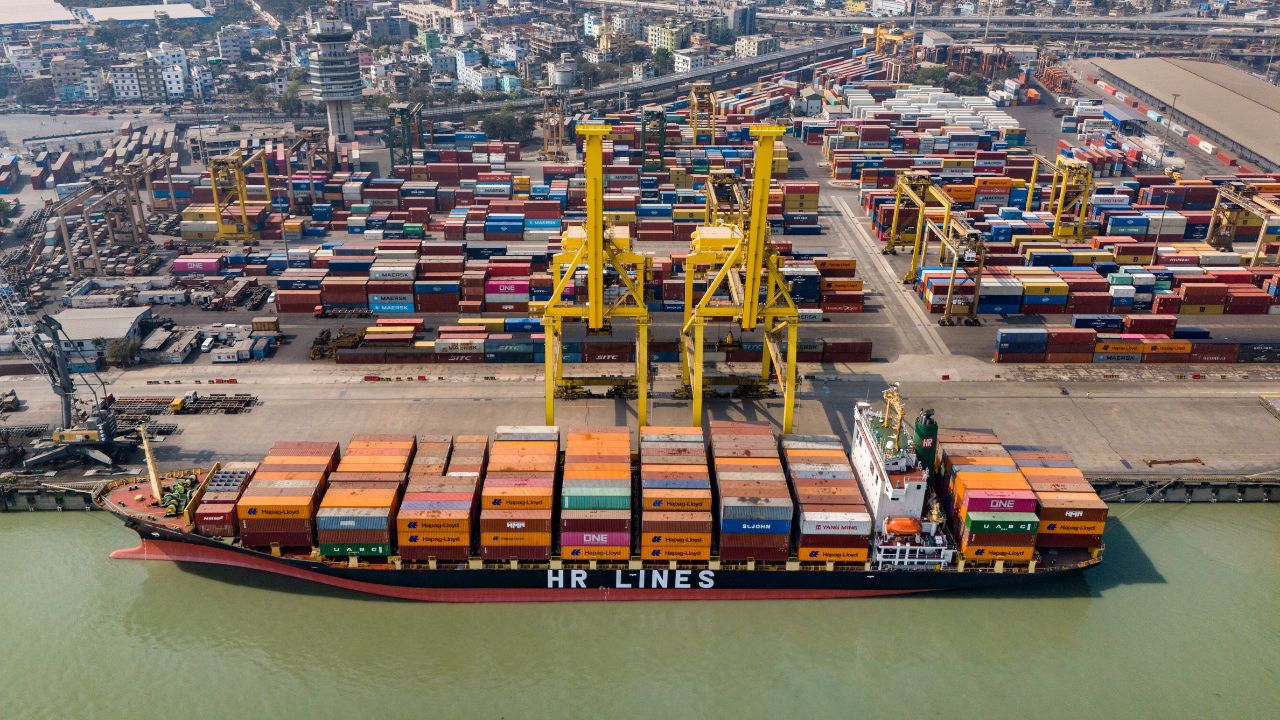
A shortage of container scanners at Chattogram port has escalated into a major operational and governance problem, disrupting import and export inspections, delaying cargo clearance and intensifying pressure on traders at Bangladesh’s largest seaport.
The crisis stems from a combination of inadequate scanner capacity, frequent technical failures and weak maintenance arrangements, undermining a core element of customs risk management at a port that handles the bulk of the country’s seaborne trade.
Chattogram port operates through three main terminals — the General Cargo Berth, Chattogram Container Terminal and New Mooring Container Terminal — accessed through 12 entry gates. Despite its scale and strategic importance, only eight container scanners are installed across the port. Two are designated for export containers, while six are used for imports.
Five-R-Associates, the supplier and maintenance contractor, has said two additional scanners are in the process of being installed, though progress has been slow and timelines remain unclear.
Even existing capacity is constrained. Of the eight scanners, four are relatively new while four are older units that require frequent servicing. Two scanners — one for imports and one for exports — are currently out of service after maintenance contracts expired.

Scanner placement adds to operational bottlenecks. Gate-1 has one scanner, Gate-2 uses a mobile scanner, Gate-4 has two scanners, while the CPAR gate, NCT-2 gate, NCT-3 gate and CCT-2 gate each have one. During peak hours, container queues build up at scanning points, worsening congestion and delaying cargo clearance.
Industry insiders allege the limited scanning capacity is being exploited by groups engaged in large-scale fraud. They claim irregularities in exports of ready-made garments, food items and agro-food products have enabled the embezzlement of crores of taka in export cash incentives and the illicit transfer of thousands of crores of taka abroad. On the import side, weak scanning coverage is alleged to have facilitated the entry of alcohol, cigarettes, prohibited goods and undeclared items, eroding customs enforcement and state revenue.
Khairul Alam Sujan, former vice president of the Bangladesh Freight Forwarders Association, said expanding scanner coverage has become urgent. On-chassis deliveries and depot-bound import containers must be brought under scanning, he said, adding that without scanners at all gates it is impossible to scan every container. Rapid installation and full operation of scanners is now essential to protect trade and revenue, he said.
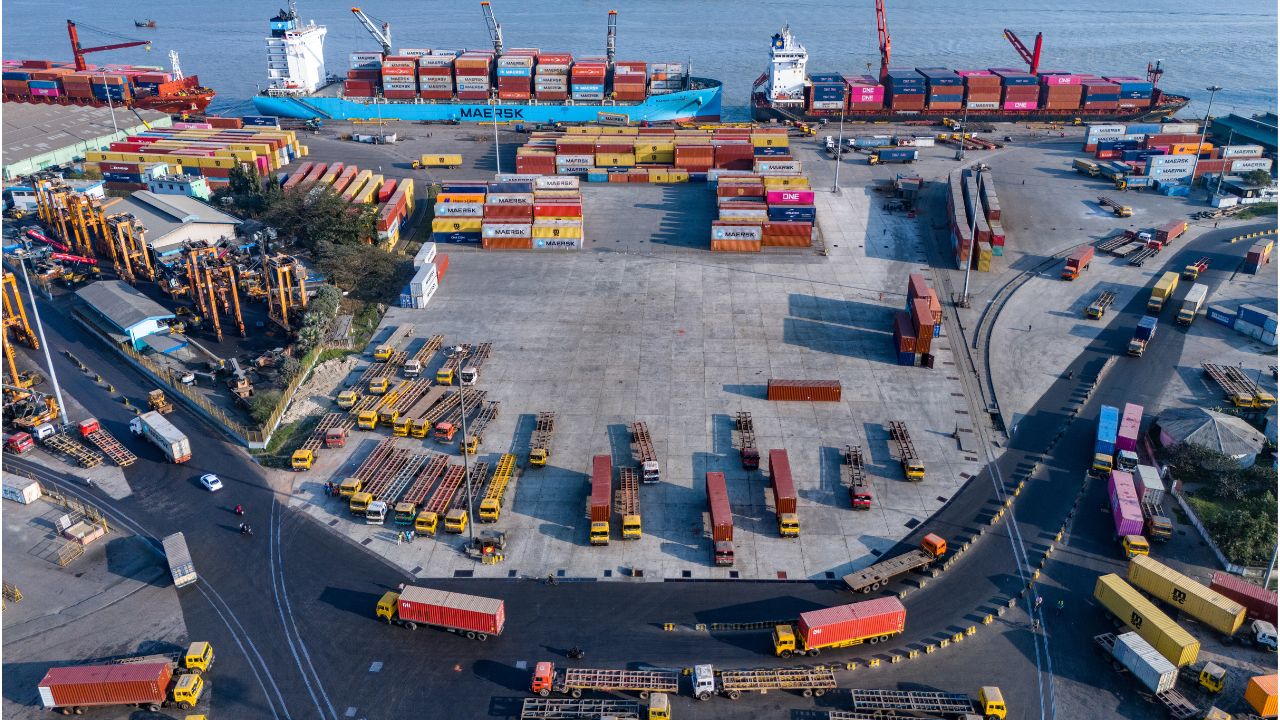



The Chattogram Port Authority (CPA) has expressed willingness to install and operate scanners using its own funds to resolve the crisis. Port officials, however, say cooperation from the National Board of Revenue has been limited.
According to CPA sources, multiple letters have been sent over the past year to the NBR chairman seeking approval and coordination on procurement, installation and management of scanners, without substantive response. A senior CPA official, speaking on condition of anonymity, said traders are being harassed by scanner shutdowns, and that even repaired scanners frequently break down again.
In an interview with The Times of Bangladesh, CPA Chairman Rear Admiral SM Moniruzzaman said two scanners purchased by the port and handed over to customs were not properly maintained. After they were damaged, customs could not repair them and the port authority intervened, he said, calling the situation a clear failure.
The CPA chairman said the authority wants to assume full responsibility for container scanners at Chattogram port, covering purchase, installation and operation under a single framework. If approved by the government, the scanner problem could be resolved within a month, he said, arguing that centralised control would improve efficiency and accountability.
He also questioned the logic of existing inspection practices, particularly for off-dock containers. Containers destined for inland depots are scanned at the port and then opened again for 100 per cent physical inspection at the depot, he said, despite digital records already being generated by scanners.
At present, Five-R-Associates supplies and maintains all scanners. Six scanners are under contract with Chattogram Customs, while two fall under CPA contracts. Operating and maintaining a single scanner costs about Tk4 crore a year and requires around 25 personnel, while purchasing a new scanner costs between Tk40 crore and Tk45 crore.
Export containers move from 21 private inland container depots to the port for loading. Depot operators say many export containers are now shipped without scanning because of capacity constraints, while import containers sent to depots are scanned fully. Even then, containers scanned at the port are often reopened and physically examined again at depots, raising concerns about duplication.
Ruhul Amin Sikder, secretary general of the Bangladesh Inland Container Depots Association, said scanning containers destined for depots serves little purpose if they are later opened and examined again, wasting time and resources.
Seeking a long-term solution, the CPA sent a letter on October 13 to the shipping ministry secretary outlining proposals on managing scanner operating costs and revenue collection. The letter called for a comprehensive policy covering purchase, installation, maintenance and repair, and urged coordinated decision-making by the NBR and other agencies.
Chattogram Custom House spokesman and Assistant Commissioner Sharif Mohammad Al Amin told The Times of Bangladesh there are 11 container scanners in total — 10 at Chattogram port and one at the Patenga Container Terminal operated by Red Sea Gateway. Of these, four are currently operational, while non-functional or yet-to-be-installed scanners are now under tendering.