Adviser to the Ministry of Environment, Forest and Climate Change and the Ministry of Water Resources, Syeda Rizwana Hasan, has called for stronger regional cooperation on water governance in South Asia.
She stressed the need for water justice, river rights, disaster preparedness, and fair benefit sharing among countries in the Hindu Kush Himalayan region, says a press release.
Speaking virtually from Dhaka at the Subregional Workshop on Water and Climate Resilience in the HK, held in Kathmandu, Nepal, Hasan highlighted that water has historically connected nations but remains the least managed shared resource in South Asia.

She urged countries to strengthen collaboration under the UN Water Convention. “Bangladesh is ready to cooperate on disaster management, data sharing, and equitable river distribution,” she said. “The convention can improve early warning systems and help uphold water justice as climate change intensifies hydrological challenges.”
Hasan pointed out that upstream–downstream interdependence is now more apparent than ever. “What happens to rivers in Nepal, Bhutan, or India inevitably affects Bangladesh, where 90 percent of rivers originate upstream. Floods, droughts, salinity intrusion, cyclones, and river erosion are no longer national issues—they are regional challenges shaped by cross-border hydrology,” she added.
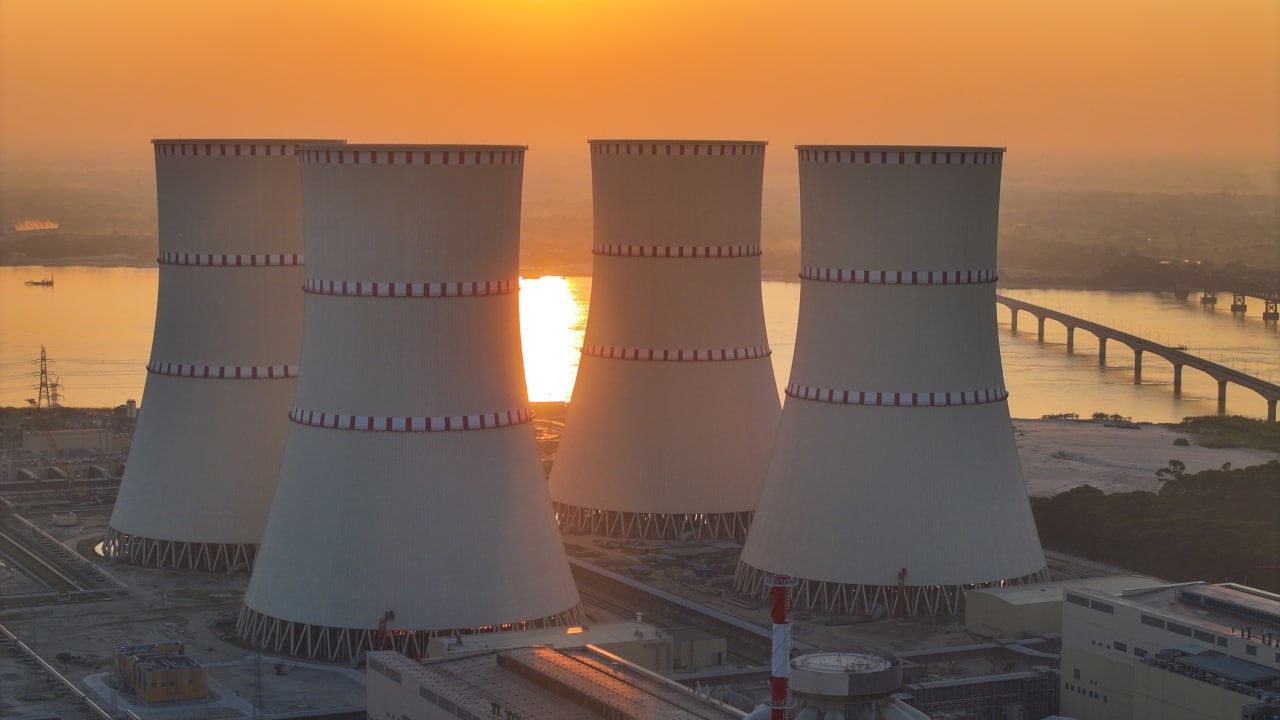



She warned that outdated structural interventions, such as embankments and flood-control systems built in the 1960s, have caused irreversible ecological damage. “We must revisit these interventions to protect rivers as living systems,” Hasan said.
The adviser also highlighted water pollution as a major regional threat. Industrial effluents, illegal encroachment, mining, and unplanned development continue to degrade rivers. She praised ongoing river restoration efforts in Bangladesh and similar initiatives in Nepal.
“Rivers must be recognised as living entities,” Hasan said. “They are not only sources of irrigation, navigation, or power—they sustain life and ecosystems. Judicial decisions in Bangladesh and India already recognise this. State agencies must be held accountable for protecting these vital resources.”
Hasan also stressed that shared hydropower opportunities could foster a new era of regional cooperation. She cited the recent Bangladesh–Nepal agreement on hydropower supply and urged that energy trade be based on trust, transparency, and environmental responsibility. “Electricity generated upstream can support climate mitigation across the region if cooperation replaces suspicion,” she noted.
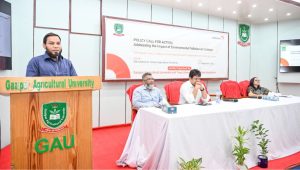
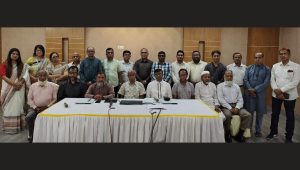
The workshop featured remarks from Dr Kalyan Rudra, Chairman of the West Bengal Pollution Control Board; Dr Debolina Kundu and Arvind Kumar from India; Sanjeeb Baral from Nepal; Pema Thinley from Bhutan; Dr Md Abdul Hossen from Bangladesh; and YouthNet Global Executive Coordinator Sohanur Rahman. Policymakers and practitioners from Bangladesh, India, Nepal, Bhutan, and China attended the roundtable.