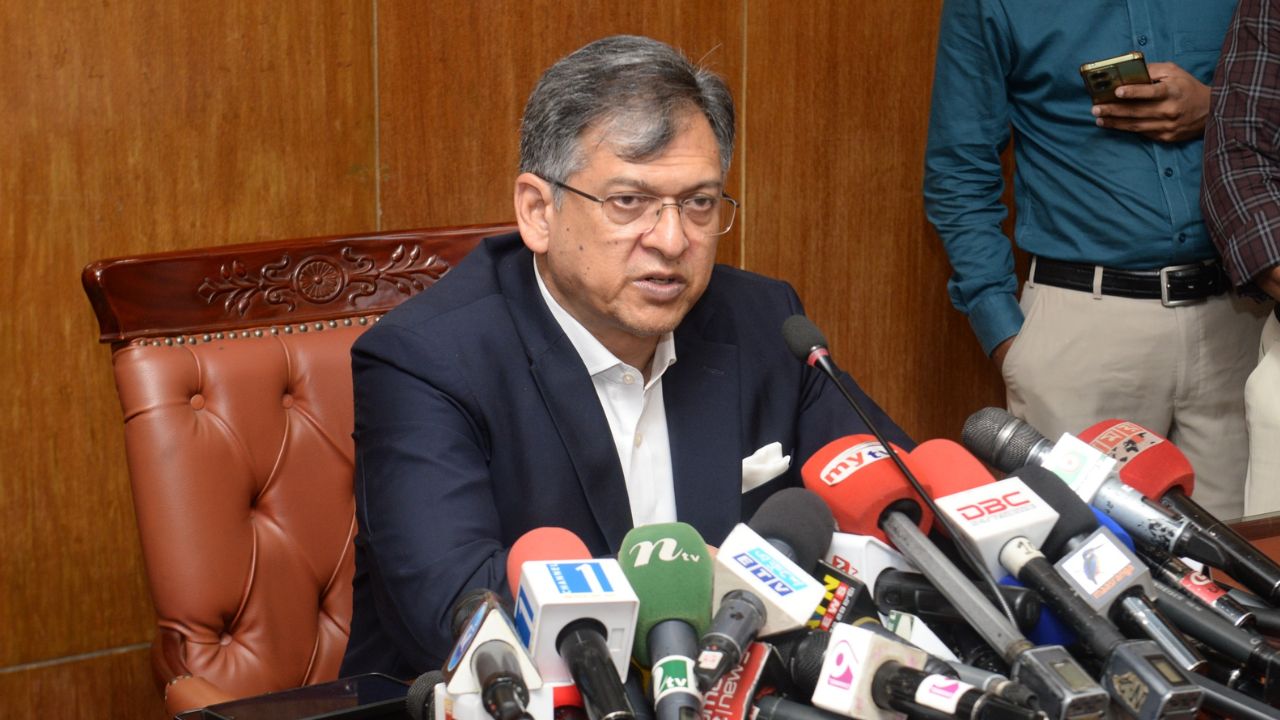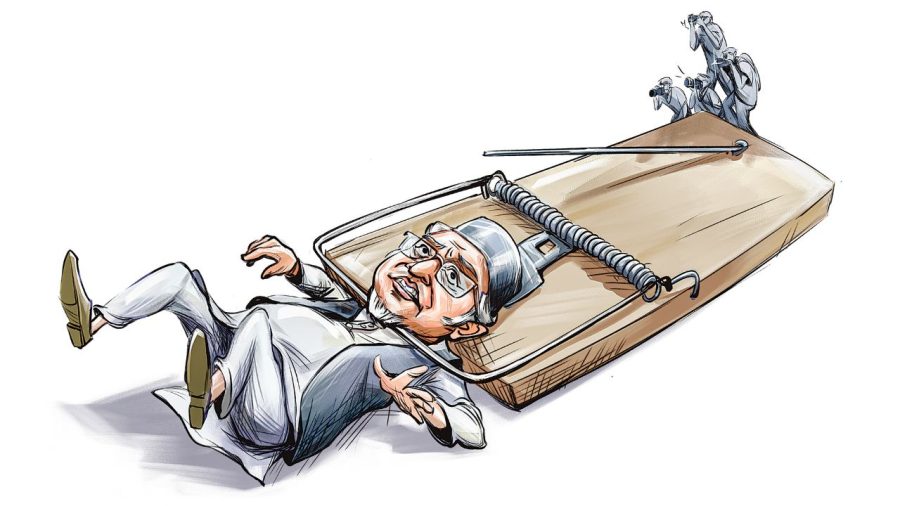

The death of 19-year-old Mariam Khatun, the second wife of Satkhira-4 MP Gazi Nazrul Islam, has triggered a wider debate over the use of power, the political environment, media responsibility and society’s treatment of women caught in public controversies.
Human rights activists and analysts said the case has highlighted concerns over how Mariam’s private life was exposed online and, in the media, and whether she received the support and protection she needed amid intense public attention.
They also questioned the growing trend of sensational coverage of personal matters, saying privacy, dignity and the wellbeing of individuals often receive little consideration in such situations.
Mariam’s hanging body was recovered on Sunday evening from a NAM Bhaban flat in the capital.
Her father Md Masum Billah filed a case accusing Gazi Nazrul, his first wife Maksuda Begum and Mariam’s maternal uncle Obaidur Rahman of abetting her suicide. Police subsequently arrested the couple.
A Dhaka court on Monday granted Gazi a four-day remand and Maksuda a one-day remand.
A private life turned public
Public attention surrounding Mariam began in late July after an intimate video involving Gazi Nazrul circulated on social media. While some Jamaat-e-Islami leaders and activists initially claimed it was AI-generated, Gazi later said the woman in the video was his second wife and that they married on 17 June with the consent of his first wife, Maksuda.
Different accounts later emerged over how the relationship developed. Gazi’s driver and Mariam’s maternal uncle Obaidur claimed that Mariam was offered money and a job after the relationship became known.

Jamaat expelled Gazi on 22 July following an internal investigation. However, his parliamentary membership remains unaffected.
Under the Constitution, expulsion from a political party does not automatically cancel an MP’s membership. The matter depends on a decision by the Speaker, who may refer it to Election Commission if necessary. Speaker Hafiz Uddin Ahmad has not yet taken a decision.
Questions over media response
Mariam’s death has also prompted debate over how her private life was presented on social media and in news reports.
Ijajul Islam, executive director of the Human Rights Support Society (HRSS), said social media often turns personal vulnerabilities into public humiliation.
“There is a significant lack of values among the people of our country. There is also a strong culture of not following the law. Especially on social media, we constantly see people trying to humiliate one another as much as possible,” he told TIMES.


He said the state needed to monitor such activities and ensure accountability.
Political analyst Asif Bin Ali, a doctoral fellow at Georgia State University in the United States, said the case raised questions about power relations and media ethics.
“Here, a member of parliament has abused his power. He has abused the power and influence he had over a teenage girl,” he said.
Criticising media coverage, he said the issue was presented in a way that ignored Mariam’s privacy.
“The entire issue was sensationalised without taking the woman’s privacy into consideration. Her pictures were published, her videos were published, her face was not blurred, her name and everything were published. At that point, it no longer remains news. It becomes a form of entertainment,” he said.
He said the media should have taken a more humane and victim-centred approach.
“The way the media treated the entire incident made this girl collateral damage. There is definitely a huge ethical failure on the part of the media here,” he said.
He also criticised the role of political parties, saying neither side maintained responsibility towards Mariam during the controversy.
Need for support
Following Mariam’s death, analysts have also highlighted the absence of social and psychological support systems for women facing public and personal crises.
Asif Bin Ali said Mariam needed support, rehabilitation and a safe environment.
“For the woman involved in the incident, there should have been a mental support system, a place for rehabilitation or a safe zone. On the other hand, there should have been arrangements to punish the person responsible,” he said.
He added, “The girl who should have been given mental and social support and rehabilitated was instead married off and sent to live in the home of the person who was exploiting her.”
Family’s allegations
Mariam’s father has presented a different account of her marriage and the months that followed.
According to the first information report, Mariam married Gazi Nazrul at her father’s residence in Dhaka on 17 June. Gazi had earlier said the marriage was arranged by both families and took place with the consent of his first wife.
However, her father alleged that Mariam faced physical and mental abuse after the marriage. The FIR said she had informed family members about her situation through phone calls.
The complaint also alleged that Obaidur Rahman, who helped arrange the marriage, later became involved in a dispute with Mariam.
According to the family’s allegations, the actions of Gazi Nazrul, Maksuda and Obaidur, along with other incidents, left Mariam distressed.
The FIR mentioned that a suicide note was recovered from the scene, containing references to betrayal, deception and frustration involving people close to her. Police have not yet confirmed whether the note was written by Mariam.
Police seized several notes from her room. Tejgaon division Additional Deputy Commissioner Md Fazlul Karim said police initially believed they could have been written by Mariam, but their authenticity would be confirmed after a forensic examination.