Step into a Studio Ghibli film and the world tilts just slightly. Streets shimmer under lantern light, forests murmur with secrets, and sunlight catches childhood in slow, golden fragments. These realms feel boundless, yet every corner, every shadow, is drawn from real landscapes that exist beyond the screen.
For years, the studio’s artists have wandered villages shaped by memory, climbed mountains wrapped in mist, and traced rivers that carry centuries of quiet stories. These places do more than inspire; they breathe life into the films, giving them rhythm, mood, and that unmistakable touch of wonder.
Walk the streets, wander the forests, and for a fleeting heartbeat, reality softens. You are somewhere between dream and memory, in a world where ordinary glows extraordinary.
Jiufen, Taiwan: Atmospheric echo of Spirited Away
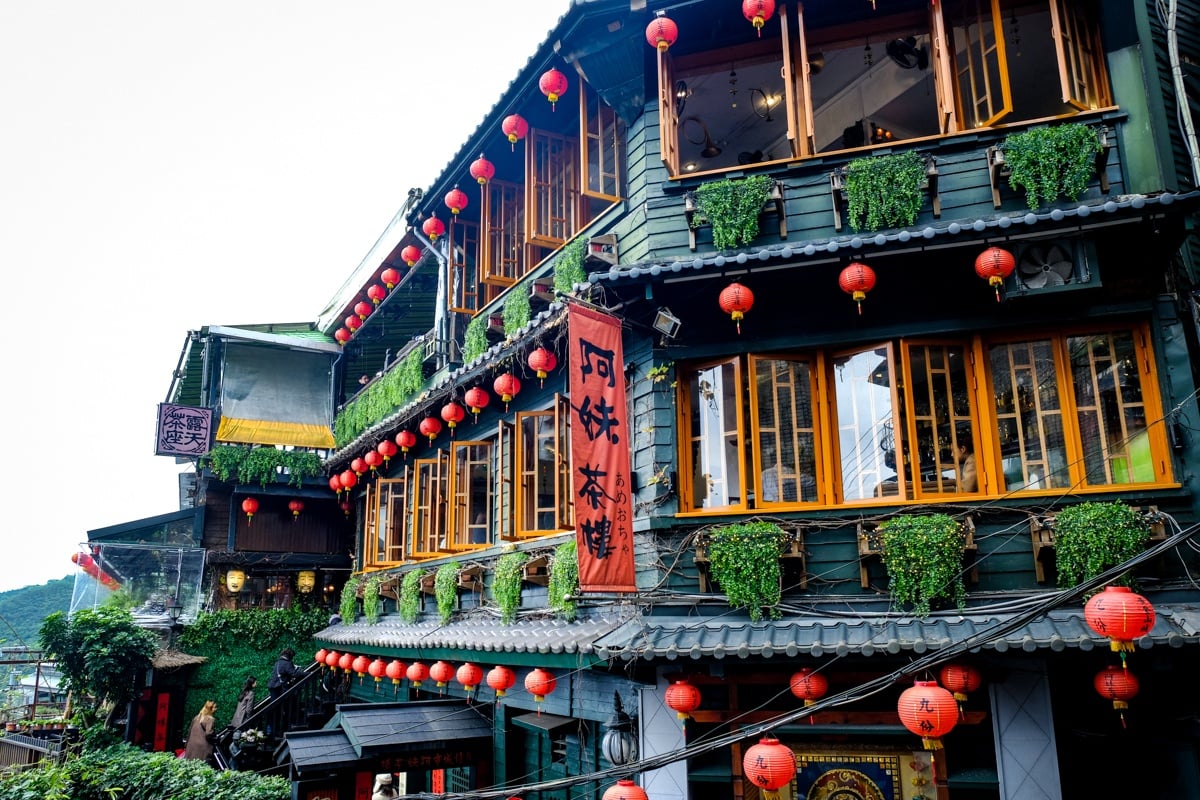
Clinging to the mountains outside Taipei, Jiufen rises in layers of stone steps and red lanterns, its alleyways trailing the scent of steaming snacks and rain-drenched wood.
The town’s history is as textured as its winding paths; once the heart of Taiwan’s gold rush, later home to a World War II prisoner-of-war camp under Japanese rule. This weight of memory and melancholy sets a tone that whispers through Spirited Away.
Though the spirit world in the film exists outside time, something in Jiufen feels similarly suspended – old, luminous, slightly surreal.
Stroll through its lantern-lit streets at dusk, and it becomes easy to understand why visitors insist they have glimpsed the ghostly ambience of Chihiro’s world.
Here, food stalls beckon without consequence, steps twist toward hidden teahouses and every corner hints at another doorway between worlds.

Arashiyama Bamboo Forest, Kyoto: Tale of Princess Kaguya begins
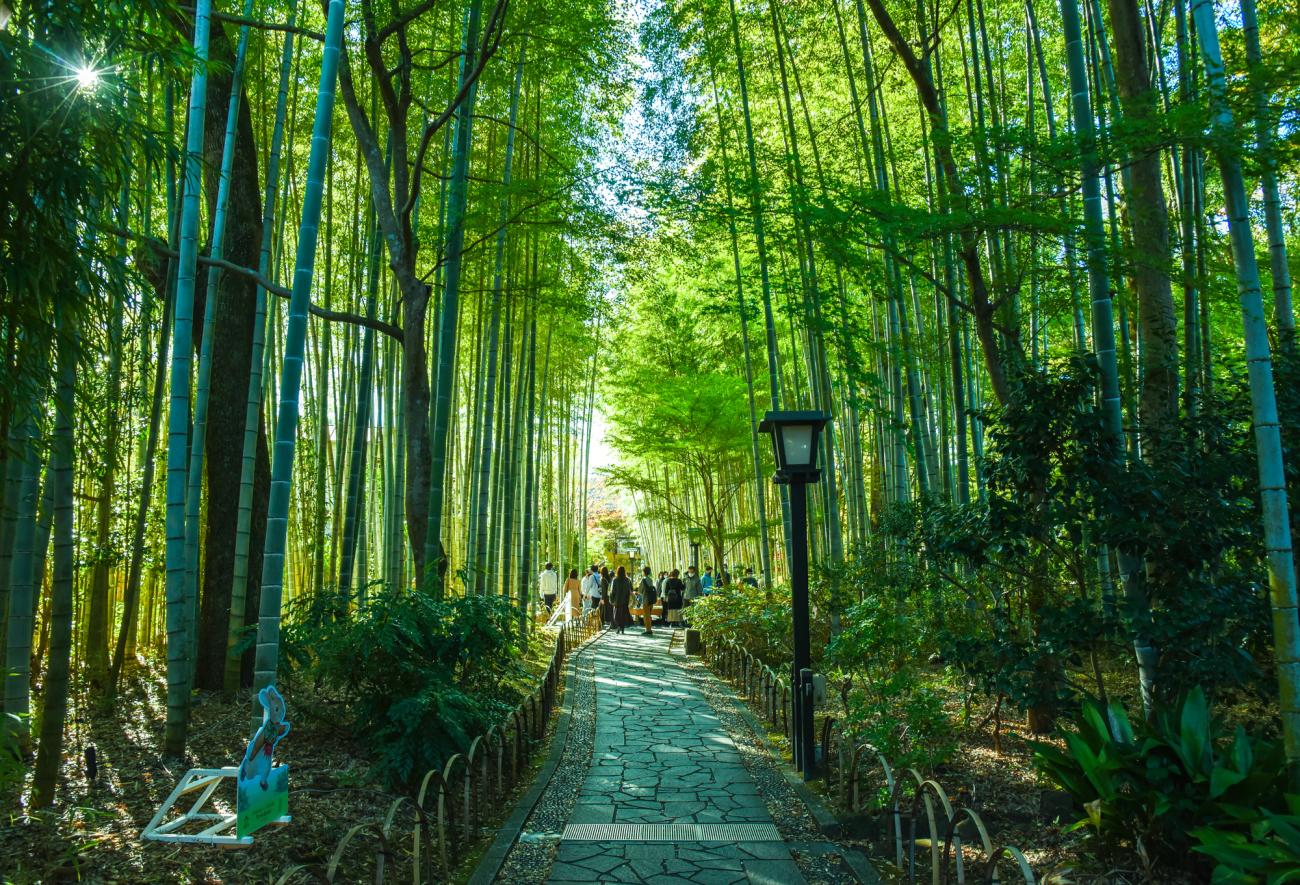
Kyoto’s Arashiyama Bamboo Forest feels like stepping into a cathedral made of green light. Bamboo shoots tower overhead, swaying together like a single living organism. Sunlight filters through in pale ribbons. The air is cool, humming, almost sacred.
It is no wonder that Isao Takahata drew inspiration from this place for The Tale of the Princess Kaguya.
The film begins with a baby discovered inside a bamboo stalk, a moment that feels entirely plausible amid Arashiyama’s natural grandeur. The forest, with its quiet power and spiritual depth, mirrors Kaguya’s journey of longing and transformation. Each breeze that stirs the bamboo hints at a larger presence; nature as eternal witness, nature as storyteller.
Sayama Hills, Tokyo: Living spirit of My Neighbour Totoro
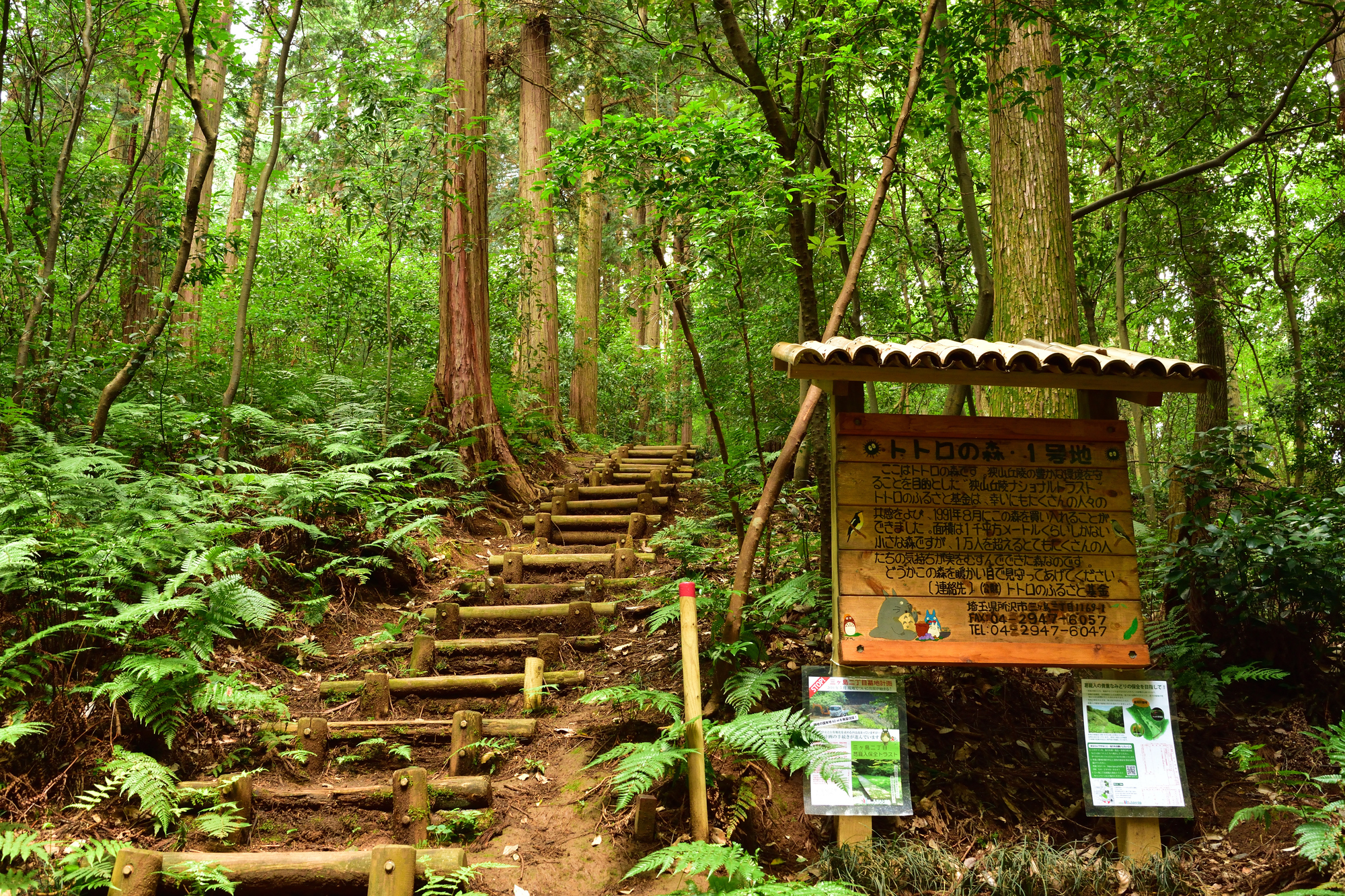
An hour outside Tokyo, Sayama Hills rolls out in shades of green – soft, generous, unhurried. It is here, in this pocket of woodland and open fields, that Miyazaki found the heartbeat of My Neighbour Totoro.



The area feels like a memory made solid; dragonflies drifting above ponds, narrow trails slipping between trees, the countryside stretching peacefully toward the horizon.
Visitors who follow the forest paths will eventually arrive at “Totoro’s Forest,” preserved lovingly by local groups.
At Kurosuke House, a life-size Totoro waits a reminder of how deeply this landscape lives in the film’s gentle magic. Yet its conservation comes with a hint of sadness.
Sayama Hills faces pressures of redevelopment, echoing the film’s quiet message that childhood wonder and rural tranquillity are precious, and all too easily lost.
Takase, Yamagata: Quiet heart of Only Yesterday
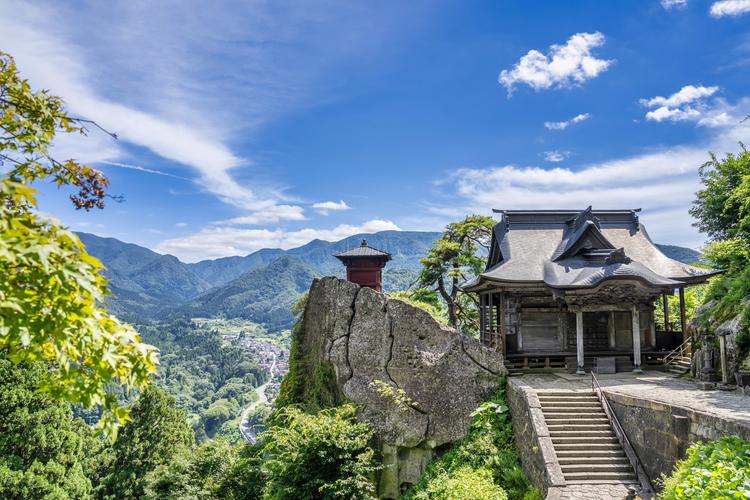
Far to the north, where the Japanese mainland opens into wide agricultural plains, lies Yamagata. It is a place defined by the rhythm of farming life – sunrise over fields, hands deep in soil, seasons measured in blossoms and harvests.
For Takahata’s Only Yesterday, this countryside becomes both literal setting and emotional anchor.
As Tokyo office worker Taeko wanders through Yamagata’s landscape, she reencounters her younger self – awkward, hopeful, searching.
The film draws on the region’s sincerity, even weaving Romanian folk music into its soundtrack to capture the warmth and humility of rural living.
Yamagata represents an alternative future for Taeko; simpler, but no less resilient. Through Takahata’s lens, the district glows with honest beauty.
Dogo Onsen, Matsuyama: Real bathhouse of Spirited Away

In Matsuyama, Dogo Onsen rises like a time capsule – dark wood, slanted roofs and flickering lanterns welcoming travellers for over a century.
The building has long attracted dignified visitors, including members of Japan’s Imperial family. Step inside its maze of tatami-lined corridors, and it is easy to feel transported.
This venerable bathhouse is widely believed to have inspired the grand structure in Spirited Away, where spirits and deities slip in and out of shadowy hallways. The resemblance is unmistakable – ornate architecture, bustling attendants, the sense of an ancient establishment with secrets tucked behind every sliding door. Dogo Onsen is not merely a reference; it is a living chapter of the story.
Yakushima, Kagoshima: Ancient soul of Princess Mononoke
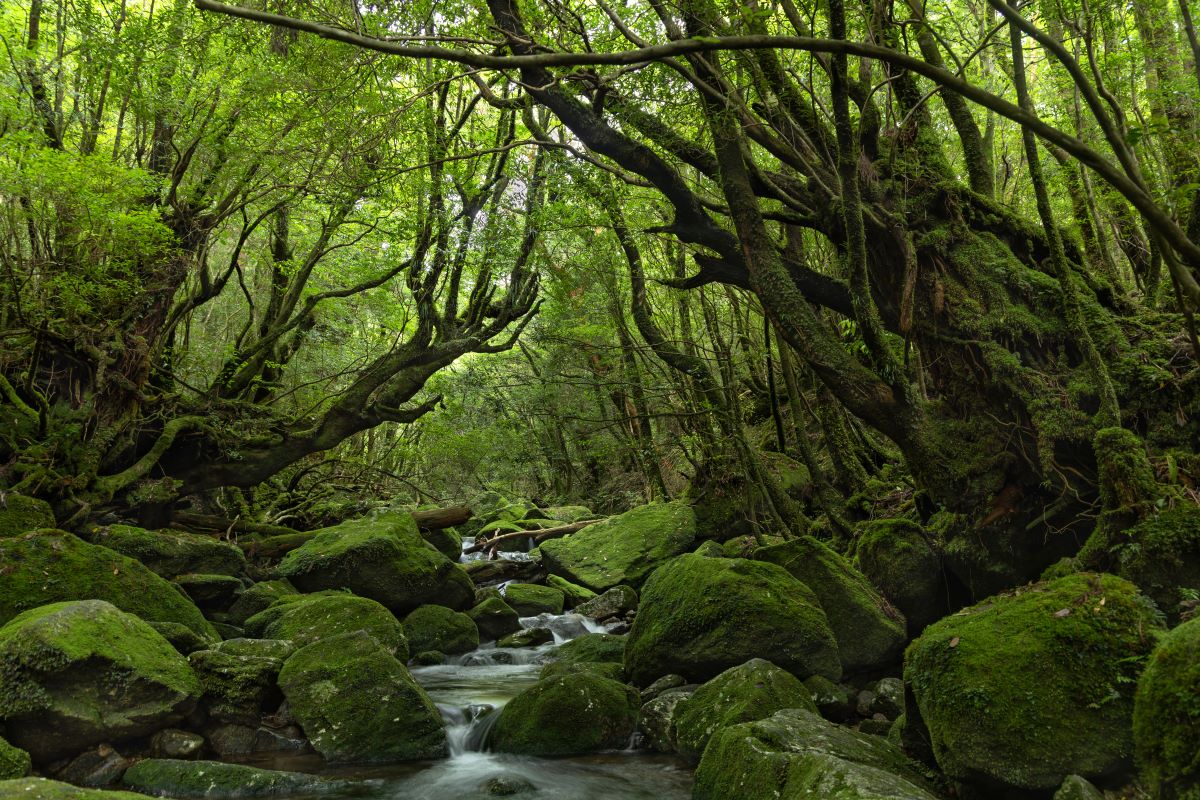
Off Japan’s southern tip, Yakushima rises from the sea like a myth. Mist gathers among its mountains. Moss blankets colossal cedar trees, some more than a thousand years old. The forest, older than recorded history, feels sentient.
Miyazaki walked these woods before creating Princess Mononoke, and their influence is unmistakable.
Yakushima’s tangled roots, thick canopies and primordial stillness shaped the film’s enchanted forests and its moral plea for harmony between humans and nature.
Wander here and you understand instantly: this is a place where spirits could dwell. A place where the earth speaks.
Kamikochi Imperial Hotel: Elegance within The Wind Rises
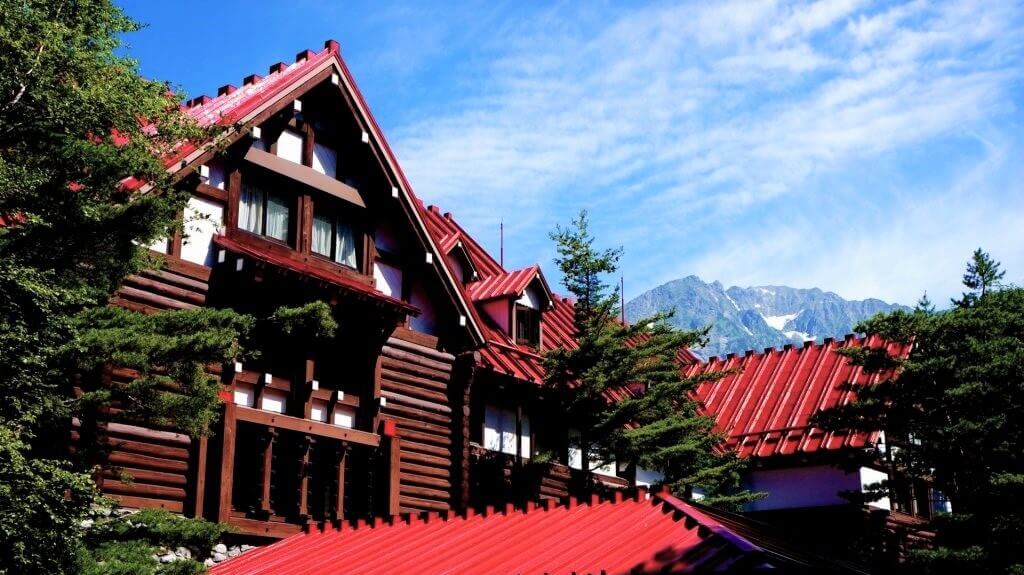
Nestled near the Japanese Alps, the Kamikochi Imperial Hotel stands with quiet dignity amid dramatic mountain scenery. Built in 1933, its timber architecture and sweeping views form a setting steeped in calm and contemplation.
The hotel becomes the blueprint for Hotel Kusukaru in The Wind Rises, where two of the film’s most poignant scenes unfold, a stranger’s unsettling prophecy of wartime devastation, and Jiro’s tender gesture, sending a paper plane drifting toward Naoko’s balcony.
The real and fictional overlap seamlessly, sharing the same year of opening, the same alpine serenity, the same echo of beauty shadowed by impending loss.
Walking through these landscapes, it becomes clear why Studio Ghibli’s worlds feel so alive. Every stone step, bamboo shoot, and moss-covered cedar carries stories, memories, and a quiet magic. These places remind us that wonder is not only in imagination, it lives in the textures of reality, waiting for those who wander with open eyes and open hearts.
From lantern-lit streets to ancient forests, the films’ enchantment is mirrored in the real world, inviting us to step inside, even if only for a fleeting heartbeat, and feel the extraordinary in the ordinary.