


Before Bangladesh played their first Test in Australia in 2003, former Australian cricketer David Hookes wrote a column in the Sydney Morning Herald headlined, “Now for a one-day Test”.
In the column, Hookes argued that Bangladesh did not deserve to play Test cricket and called on Steve Waugh’s world champions to humiliate them in the two Tests in Australia’s north.
“Bangladesh doesn’t deserve to be in Test cricket and they shouldn’t be given any favours out on the field. If the Australian team is being true to the Test cap, their aim will be to go out there and annihilate Bangladesh,” the late cricketer wrote.
Bangladesh duly lost both Tests by an innings, with both matches finishing inside three days.
Twenty-three years later, the story could not be more different.
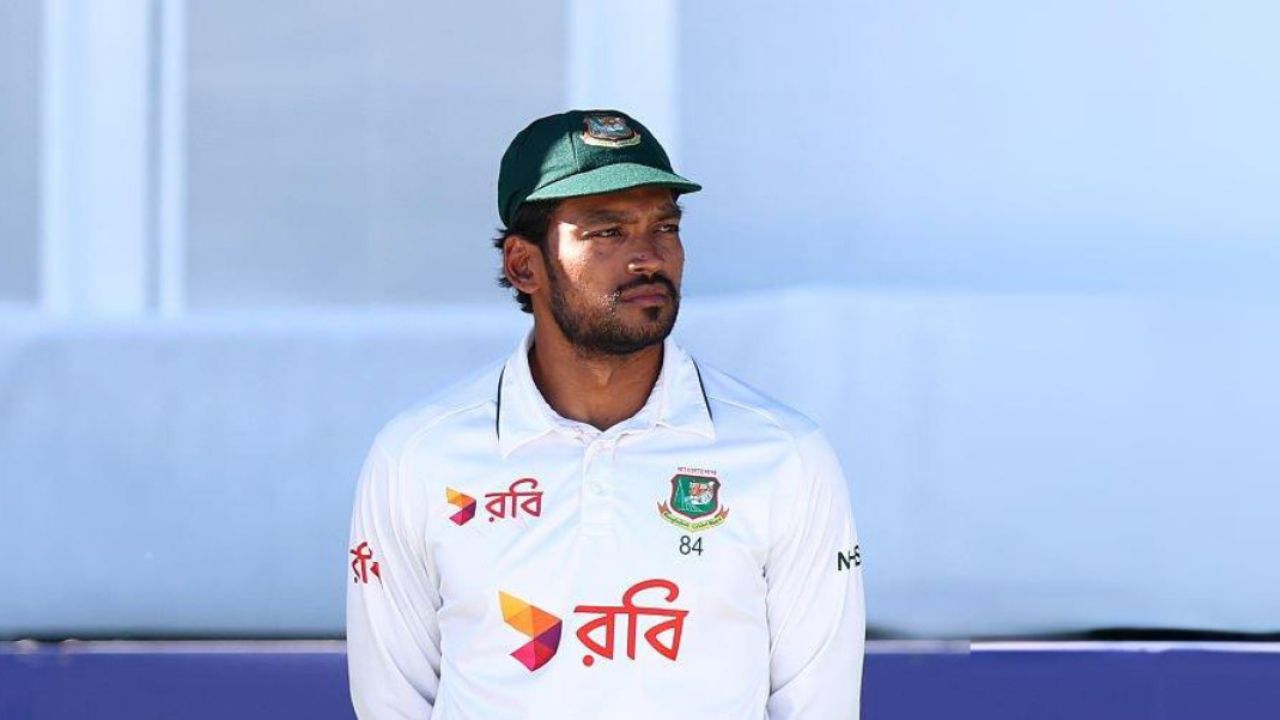
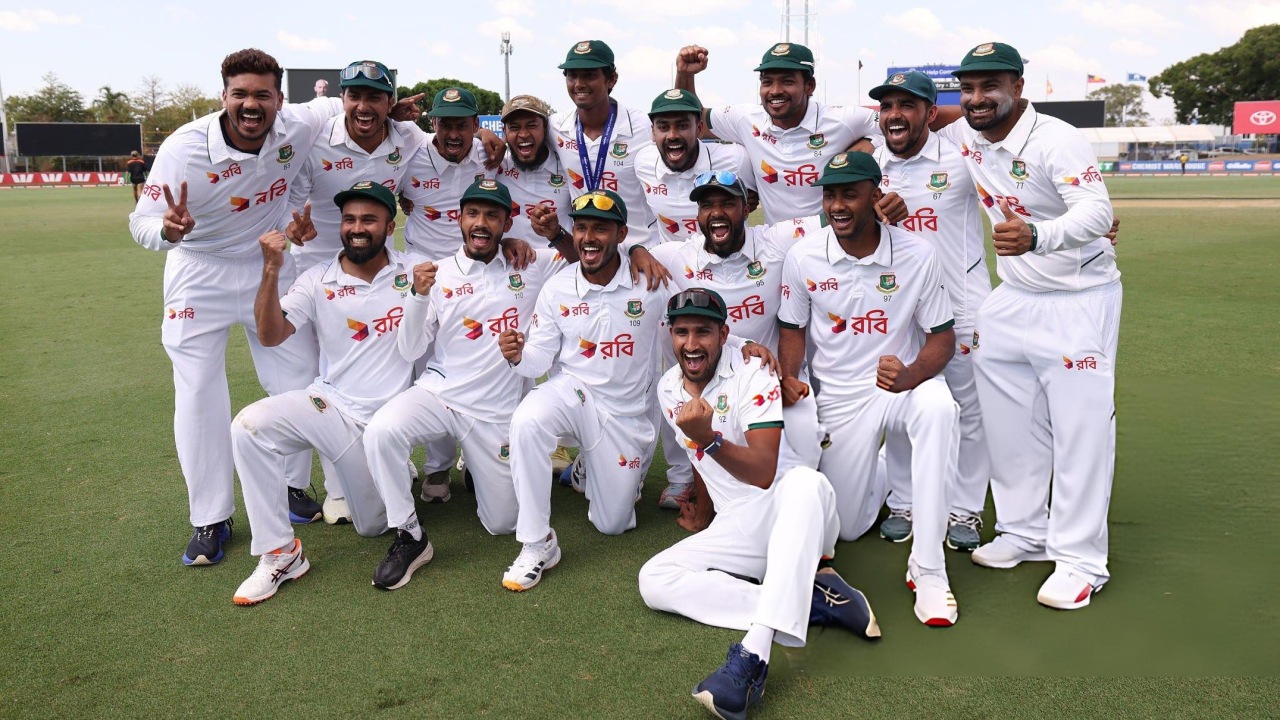
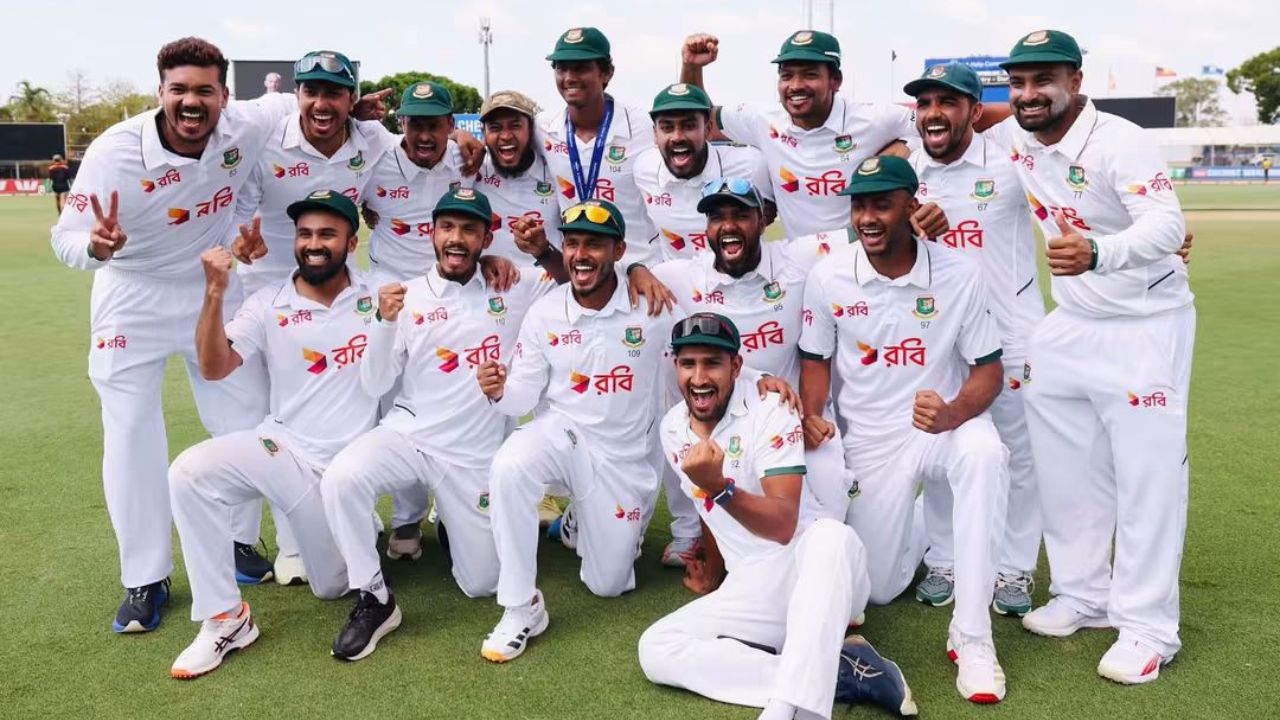
Returning to Australia for a Test series for the first time since 2003, Bangladesh opened the two-match series with a stunning nine-wicket victory in Darwin, their first Test win on Australian soil. More importantly, they did it in a manner that left little doubt about who had been the better side.
Before the tour, BCB chief selector Habibul Bashar said Bangladesh wanted to return home with their respect intact, mindful of what had happened on their previous visit. Test captain Najmul Hossain Shanto echoed the same sentiment before the series.

In Darwin, Bangladesh did more than earn respect. They demanded it.
For almost four days and more than 11 sessions, Bangladesh dictated the Test. Hasan Mahmud began the demolition with a career-best six-wicket haul as Australia were bowled out for 198.
Tanzid Hasan Tamim responded with a maiden Test century, becoming the first Bangladeshi to score a Test hundred in Australia, while Shanto made a gritty 84. Mehidy Hasan Miraz then added 65 before completing a five-wicket haul in the second innings to seal a remarkable victory.
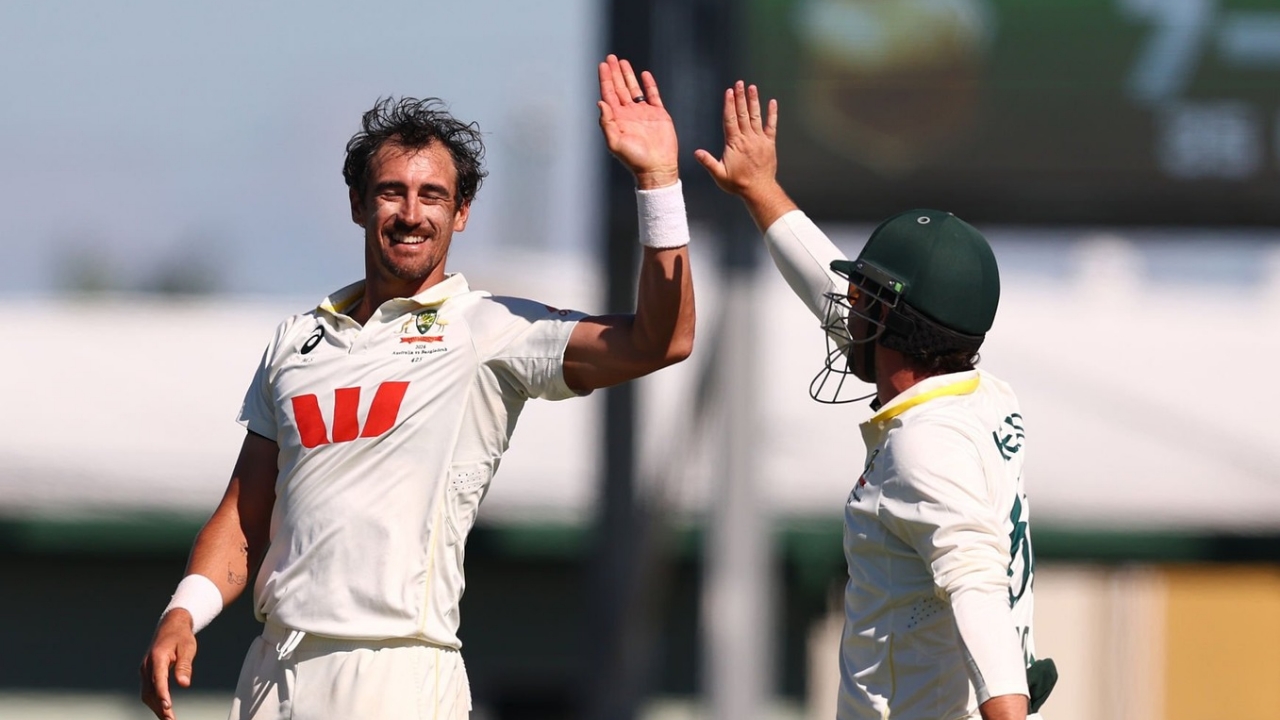
Australia, the world’s No.1 Test side and leaders of the ongoing World Test Championship cycle, had arrived with a star-studded line-up featuring Steven Smith, Pat Cummins, Josh Hazlewood, Mitchell Starc and Nathan Lyon. Yet, they had no answer to Bangladesh’s discipline and resilience.
Bangladesh, meanwhile, were without two of their premier fast bowlers, Nahid Rana and Shoriful Islam, both ruled out with injuries. But Hasan, Taskin Ahmed and Ebadot Hossain ensured their absence was barely felt.

Former Australia cricketer Kerry O’Keeffe, who was on commentary during the Darwin Test, captured Bangladesh’s mindset perfectly.
“They would have been told by cynics that you are going to the land of the giants. Starc. Hazlewood. Green. Webster. And you are diminutive. You can’t beat them on their decks, but they have come here and said, ‘No. We are having a crack.’”
The performance also created a stir across the Australian cricket fraternity. Steve Waugh, the former Australia captain and one of the defining figures of the 2003 series, called Bangladesh’s triumph one of the biggest upsets he could remember in Australia.
“This could possibly be the biggest upset I can remember in Australia,” Waugh said on Fox Cricket.
He compared it with the West Indies’ famous victory at the Gabba a few years ago but felt Bangladesh’s achievement was even more remarkable given the circumstances.
“The West Indies beat Australia at the Gabba three or four years ago. That was an upset. But this one, given their best two bowlers, Nahid Rana and Shoriful Islam, are not playing, the rankings, the Australian team is back at full strength, it’s a big one, this one.”
Shanto, however, was quick to keep his team grounded after taking a 1-0 lead in the two-match series. He described the victory as Bangladesh’s biggest across all formats but stressed that the job was not finished.
“Bangladesh have had many big wins across all three formats, but I would say that, so far, this is Bangladesh’s biggest victory,” Shanto said.
“We have that evidence, but we need to play good cricket (to win the series). As I said before this Test match, we need to play five days of good cricket. So again, I am going to say the same thing, five days of cricket need to be played properly.”
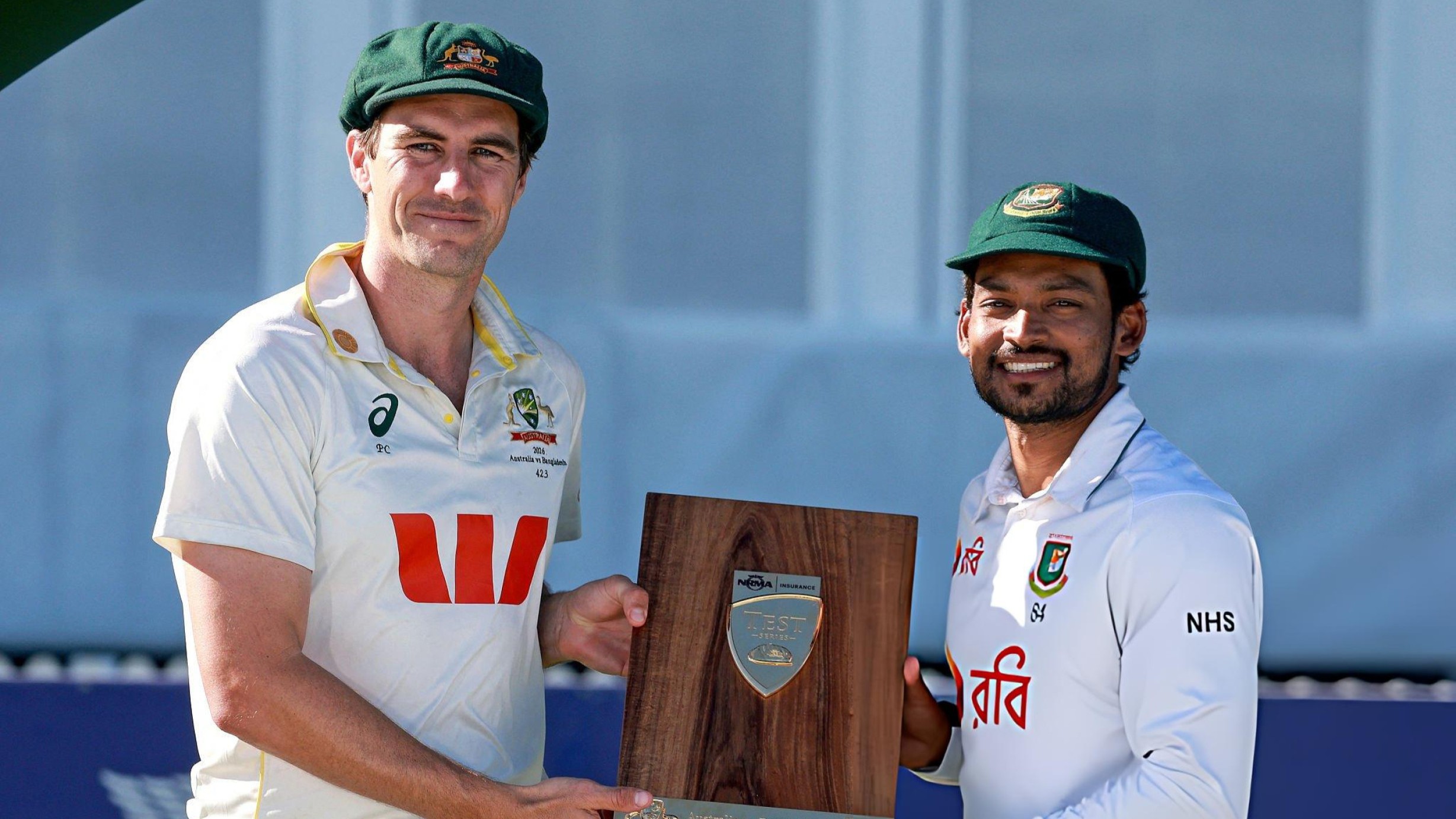
Australia captain Pat Cummins admitted there was little doubt about the better side in Darwin.
“I think they outplayed us in all facets, really. I thought they were really patient and quite disciplined,” Cummins said.
There had been plenty of talk before the match about whether Bangladesh could survive five days against Australia. In hindsight, it was Australia who were desperately trying to extend the contest, while Bangladesh remained in control.
Shanto summed up the difference between the plan and what actually happened.
“Obviously, the plan was to play five days of good cricket and win each session. But the way we dominated from day one is something to be proud of. Everyone worked hard, played their roles and we got the result.”
That commitment had come at a price.
Taskin Ahmed turned down a lucrative LPL deal worth around Tk 1 crore after injuries to Nahid Rana and Shoriful Islam left Bangladesh short of pace options. Hasan Mahmud and Mehidy Hasan Miraz also cut short their LPL stints to return for Bangladesh, sacrificing significant financial opportunities. Ebadot Hossain left his pregnant wife in Italy to answer the national call and fly to Australia for the Test series.
And perhaps no one embodied Bangladesh’s journey from 2003 to 2026 better than Habibul Bashar who was part of that 2003 side, scoring a half-century in the series. Twenty-three years later, he returned to Australia in a different role, watching Bangladesh complete one of the most significant victories in their history.
From being told to expect a “one-day Test” to dominating Australia for almost four days, Bangladesh’s journey has come full circle. Bashar had spoken of returning to Australia with respect. There was only one way to earn it. Win. Tigers did exactly that. Now, they will surely pounce for the series.