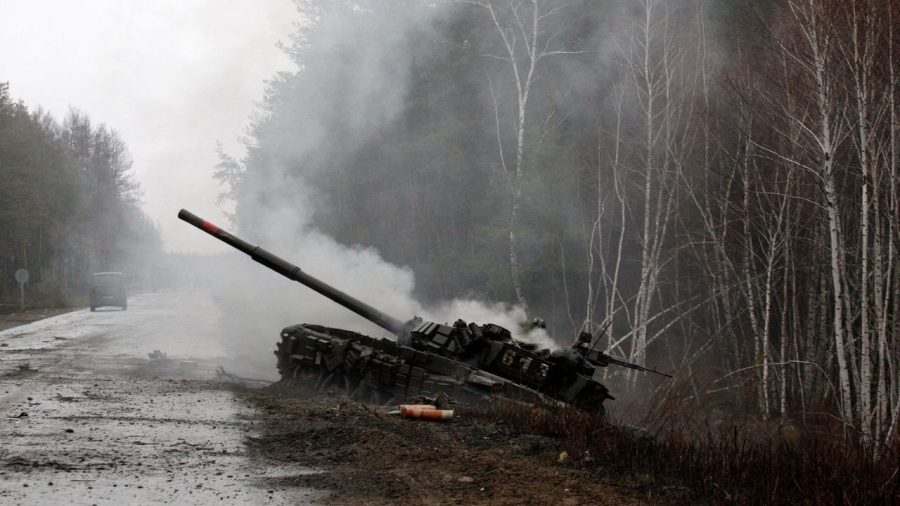



Promised lucrative jobs in Russia, dozens of Bangladeshi youths have been deceived into joining the country’s war against Ukraine, with some killed in combat, others injured and many families left without knowing whether their loved ones are alive or dead.
Law enforcement officials say 30 Bangladeshis were sent to the battlefield after being recruited for civilian work in Russia. Of them, 20 reportedly died, including 17 in a single drone attack. Two escaped and returned to Bangladesh for treatment, two others remain hospitalised, while six were still fighting, according to information disclosed by the authorities.
The details emerged during an investigation into an alleged human trafficking network following a complaint by Rajan Hossain, a 21-year-old survivor who was recruited for a construction job but ended up on the Ukraine battlefield.
Police intelligence sources estimate that more than 50 Bangladeshis have died fighting for Russian forces over the past four years. Safe-migration campaigners fear the actual toll could be between 50 and 100, although no independently verified total is available.
Promised jobs, sent to war
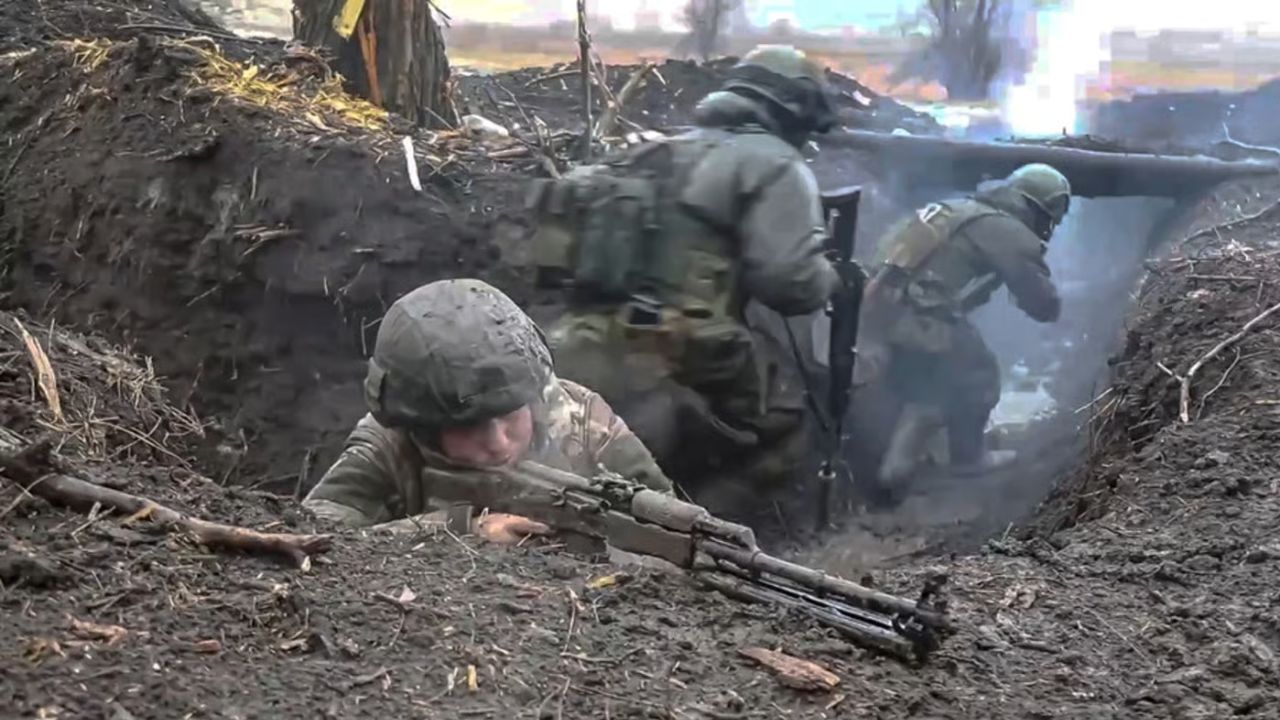
Rajan said he paid Tk8.25 lakh to secure a job at a construction site in Russia. After arriving on 7 May, he underwent 21 days of continuous training before being sent to Ukraine with other Bangladeshis.
He was severely injured in a drone attack, suffering a broken waist and losing strength in both legs. He reached a hospital four days later, received treatment and eventually escaped while still injured. With assistance from the Bangladesh embassy, he returned home on 23 August.
Rajan said they were used as bait to reveal the enemy’s position, exposing them to attacks so that Russian forces could identify the locations of opposing troops.

SRB-10 commander Mohd Asaduzzaman told TIMES that the 30 recruits had travelled to Russia through what appeared to be a legal process but were subsequently forced to join the Russian military.
The investigation led to the arrest of two alleged members of the trafficking network, Mizanur Rahman and Md Abu Taher Lentu, in connection with the case filed by Rajan at Kaliganj Police Station in Jhenaidah.
According to Asaduzzaman, 21 of the 30 Bangladeshis were recruited through Mizan Jabal-e-Noor International Agency. Investigators also found information about the possible involvement of two other individuals, Mostafizur Rahman and Ali, and two organisations, Hares International and TS Group. Two people in Russia were also allegedly involved in the operation.
Asaduzzaman said Mizan had handled arrangements ranging from obtaining passports to putting the recruits on flights. Once in Russia, the victims realised that the jobs they had been promised were not what they had been led to expect.
“They pleaded with Mizan, saying, ‘You sent us to the wrong place. Protect us, take us back,’” he said.




Rajan’s family also alleged that when they sought compensation, Mizan threatened and attempted to assault them. Rajan’s father subsequently filed a complaint with the police.
Kaliganj police station officer-in-charge Md Zulfikar Ali told TIMES that he was not aware of other victims apart from Rajan.
Families left without answers
The fate of many Bangladeshis who travelled to Russia remains uncertain. According to a police intelligence source, the families of several recruits have received reports of their deaths but have been unable to recover their bodies. Brokers have also stopped communicating with some families.
The families of Suruj Kazi of Madaripur, Jahangir Hossain of Kishoreganj and Yusuf Khan of Cumilla have reportedly received confirmation of their deaths, the source said.
BRAC Associate Director Shariful Hasan said young people from several districts, including Lakshmipur, Noakhali and Rajbari, had reportedly travelled to Russia after being promised high-paying jobs.
He called on the Russian government to clarify how many visas had been issued to Bangladeshis in recent years and what happened to those who travelled.
Figures indicating that 8,618 Bangladeshis received permission to travel to Russia between August 2024 and 13 October 2026, raise questions that require scrutiny, he said.
Such permission, however, does not establish how many people actually travelled, secured employment or reached their intended destinations safely.
“Who recruited them? Which agencies processed their papers? What jobs were promised? And what happened to them after they left Bangladesh?” Hasan asked.
Calls for government action
Immigration expert Asif Munier criticised the government’s response, arguing that agencies responsible for overseas employment must explain how workers cleared official procedures before allegedly ending up on a battlefield.
He said the announcement by Foreign Minister Khalilur Rahman following a visit to Russia in April that Moscow was interested in recruiting Bangladeshi workers had encouraged recruitment efforts.
Yet, he alleged, the authorities had failed to respond adequately to reports that workers were being sent to fight.
Al-Amin Nayan, manager of BRAC’s Migration Welfare Centre, urged the government to take immediate action against those exploiting jobseekers and to establish the fate of missing recruits.
Different Russian recruitment websites have reportedly been used to attract Bangladeshis and other foreign nationals with advertisements promising salaries worth lakhs of taka. Some recruits have also posted videos from battlefields promoting high earnings and compensation for injuries or deaths, but there is no evidence that such compensation is consistently paid.
The Bureau of Manpower, Employment and Training (BMET) is responsible for regulating overseas employment processes. Its director general, Jamil Ahmed, was contacted for comment on Wednesday night but ended the call, saying he was busy with the minister.
Meanwhile, Major Yasir of SRB-10 said some Bangladeshis recruited through brokers had not contacted their families for four months, leaving relatives unable to determine whether they were alive or dead.
For families who sent their sons abroad in the hope of a better livelihood, the promised opportunity has become a nightmare. The investigation has exposed the urgent need to identify those responsible, trace missing workers and ensure that recruitment for overseas employment does not become a route to forced participation in a foreign war.