On average, people spend 4 hours and 37 minutes on their phones each day. Our brains are so wired to notifications that we don’t seem to be able to live without them.
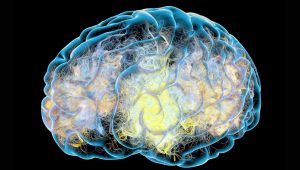
A recent study by Heidelberg University and the University of Cologne in Germany shows that limiting phone usage for 72 hours can significantly rewire your brain and reduce strength. Participants underwent MRI scans both before and after this period, during which they were shown images of smartphones alongside neutral visuals such as flowers and boats.
The findings revealed that brain regions associated with reward processing and cravings displayed significant changes. In other words, when participants went without their phones, their brains became less responsive to smartphone notifications – much like the reduced reactivity seen when people cut back on addictive substances such as caffeine or nicotine.

Social medias are designed in a way to keep us hooked. Every like, every message keeps bringing us back. And every notification triggers a dopamine hit. This stimulation shortens our attention span, increases stress, anxiety and messes with our sleep as blue light blocks melatonin production. A phone detox gives your brain a break from this constant stimulation, helping restore balance and focus.




When your phone stops buzzing, your brain begins to reset. Those constant bursts of dopamine from likes, alerts, and notifications start to fade, and the urge to check no longer consumes your attention. Anxiety often decreases, focus sharpens, and even simple pleasures like reading, spending time in nature, or having a conversation start to feel more rewarding.
Researchers have also observed improvements in self-control and emotional balance. With fewer digital distractions, people can find happiness more from within.
So, if you feel restless and have a hard time falling asleep every night, try living without your phone for 72 hours. The cure to your anxiety might be as simple as digital detox.