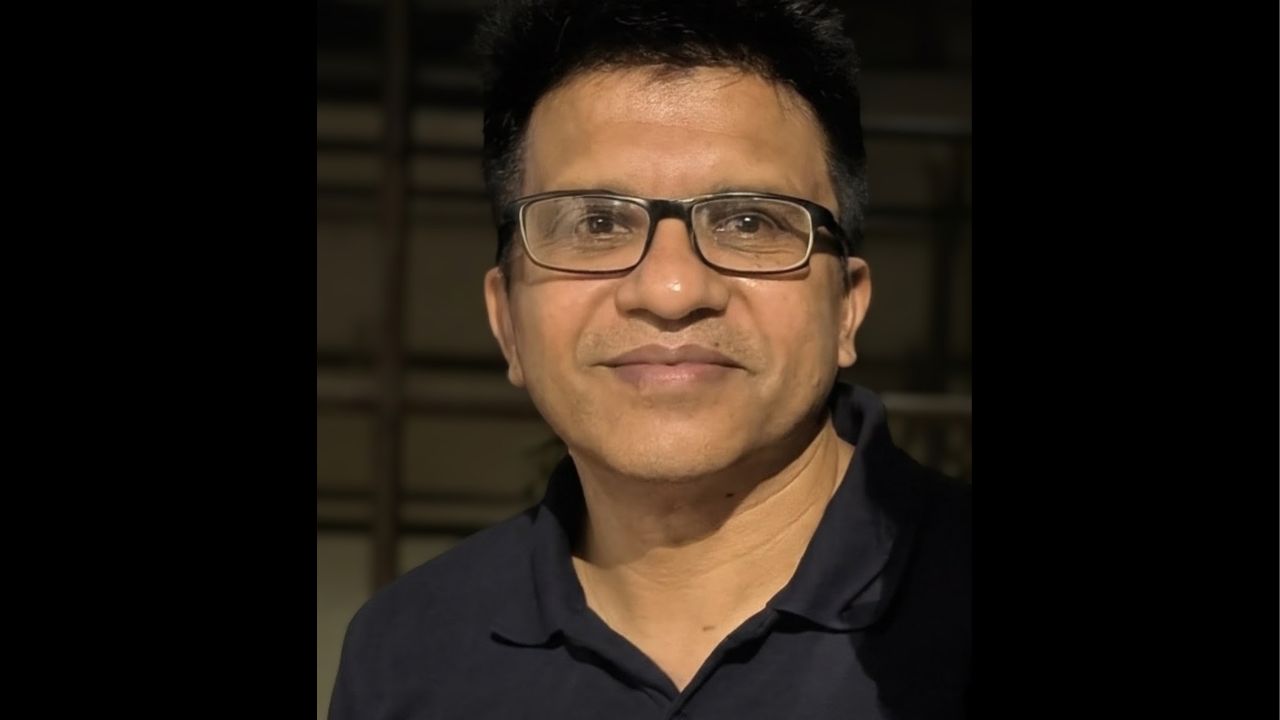



In Dhaka, where noise rarely gives way to silence, Rashed Zaman’s The Quiet Within feels like an invitation to pause. The exhibition brings together photographs born from a personal search for solitude, reflection and self-discovery.
Organised by Bengal Foundation, the exhibition opened on Thursday at the Quamrul Hassan Exhibition Hall, with German Ambassador to Bangladesh Dr Rüdiger Lotz as chief guest and eminent artist Monirul Islam as special guest.
For Zaman, the exhibition marks an unexpected chapter in a career built primarily around moving images. With a background in architecture and formal training in cinematography, he has worked across film and television. His work on Aynabaji earned him the National Film Award.
“Basically, I am a cinematographer, not a still photographer. I never planned to hold an exhibition of photography,” Zaman tells The TIMES of Bangladesh.
The work began during a deeply personal period. His father’s prolonged illness and his proximity to mortality made Zaman feel the need to step away from the city and confront himself.
“I needed to go somewhere away from this city, to face myself and nature.”

That search took him to chars and open landscapes. The location mattered less than the sense of openness.
“I needed an open canvas.”
Light, however, became the protagonist.




“I have always felt that our Creator is the greatest cinematographer. He is constantly painting with light. As the light changes, our emotions change, our mental state changes, and even the experience of space changes.”
For Zaman, dusk holds a particular magic. Between day and night, the world seems to pause and an almost sacred stillness descends.
His years in Turkey also influenced this journey through Sufi music and spirituality. While photographing, he often listened to Sufi music and felt a connection between the music and the landscapes around him.
Yet photography alone could not contain everything he wanted to express. He experimented with papers, prints and eventually canvas, but something remained incomplete.
Then his childhood dream of becoming a painter resurfaced.
“I thought about what painters do. I brought the canvases into a process involving moisture, dust and different kinds of brush strokes. The texture created another layer, another emotion.”
For Zaman, the process matters more than the finished image. He has even photographed the same tree for nearly five years, watching it witness changing seasons and light.
“I am not interested in being technically correct if I am not emotionally correct. A photograph may have technical mistakes, but what matters to me is whether it is emotionally and spiritually right.”
The exhibition was never the destination. It became a way of sharing a private conversation with others.
“I wanted to share my emotions, my spirituality. I wanted to show these works to painters and people working with literature and visual art. That is why Bengal was always in my mind.”
Through the process, *The Quiet Within* became more than a photography exhibition. It is a record of Zaman’s inward journey, where the camera becomes a vessel and light becomes a language.
“I want people to understand that a camera can be used for something therapeutic too. If you photograph your parents, perhaps you will begin to know them better.”
In Zaman’s quiet frames, the world is not merely photographed. It is being listened to.