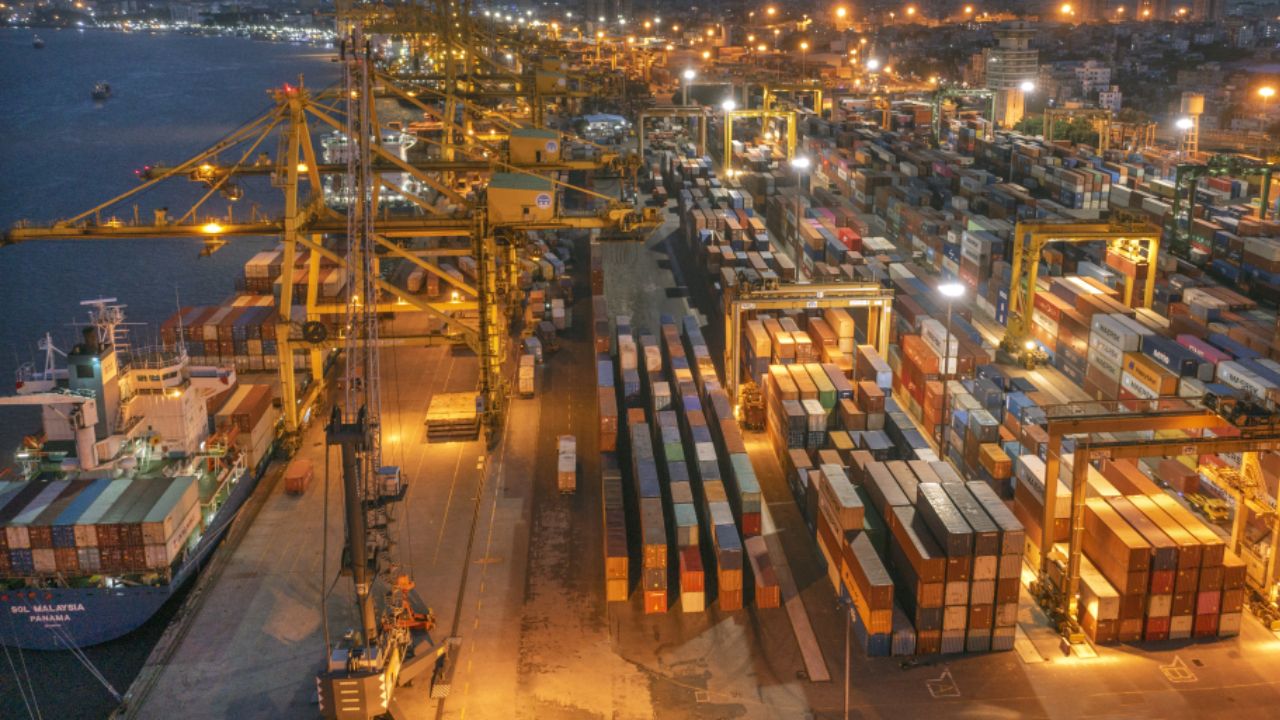

Adviser to the Ministry of Railways and the Ministry of Road Transport and Bridges Muhammad Fouzul Kabir Khan has said at least 20 percent of the country’s passenger and freight transport must be moved to rail and waterways to ease pressure on the highways.
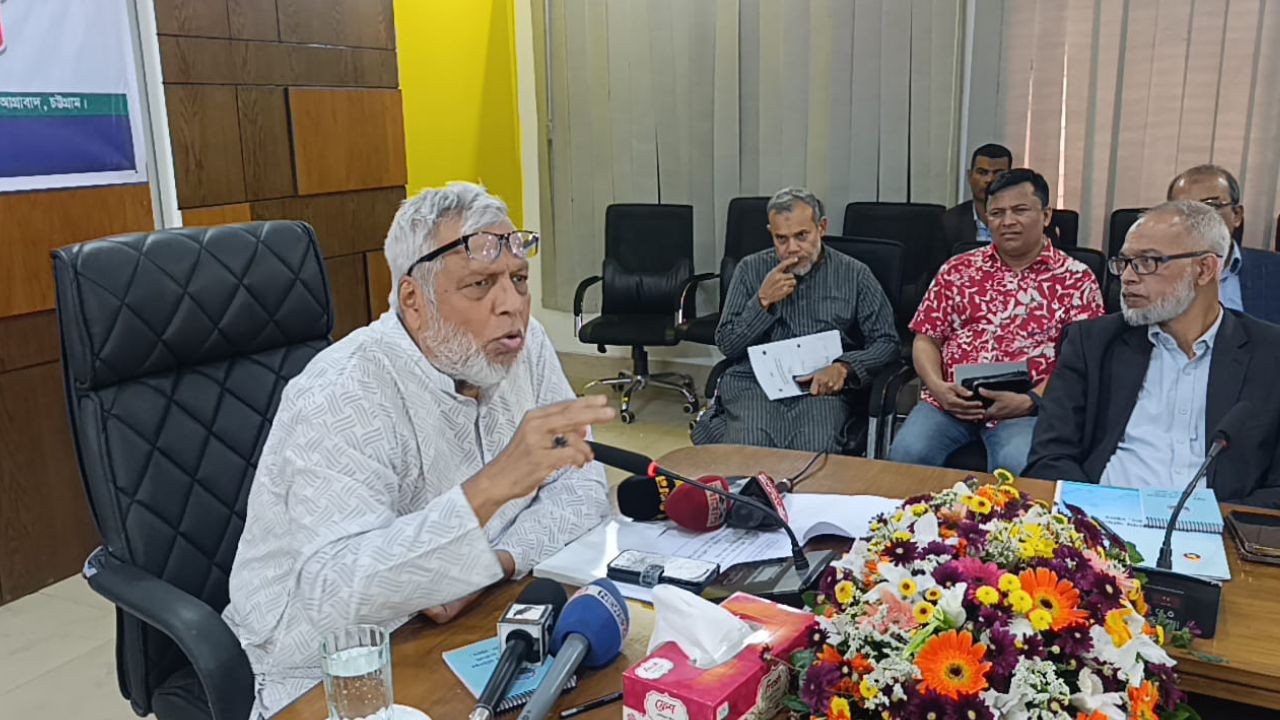
Speaking at a views-exchange meeting with Roads and Railways officials at the Roads building in Agrabad, Chattogram, on Friday, he said the belief that traffic congestion can be solved by expanding roads from eight to ten lanes is “wrong,” stressing that reducing pressure on highways is essential.
He said the government will follow a multimodal communication policy as proposed to the Chief Adviser, adding that the transport sector can no longer be viewed through the lens of road networks alone.
“Roads, rail lines and inland waterways must be seen together,” he said.
The adviser said the transport system would be redesigned so that some routes naturally shift to rail and some to river channels. “When roads are widened, the number of vehicles also increases,” he said.

“We will build eight-lane roads, but distribution must happen alongside. That is why we plan to shift 20 percent of goods and passengers to rail and waterways.”
Fowzul Kabir Khan criticised what he called “politically ordered roads” built during the Awami League government. He cited the Tk10,000-crore Itna–Mithamain road in Kishoreganj, saying it damaged fisheries, livestock, agriculture and the environment while attracting almost no traffic.
“State money was wasted through abuse of power. Such roads will not be built anymore,” he said.



He added that no unnecessary projects would be taken up based on personal preferences.
“Roads must have justification. We must assess whether they have economic and social importance,” he said.
The adviser said expectations of widespread industrialisation around the Padma Bridge and Jamuna Bridge had not materialised, and therefore future road projects must be based strictly on traffic demand.
“I have told the Roads Secretary that roads must be built where people move,” he said.
He alleged severe corruption in the railway sector under Sheikh Hasina’s administration, saying project director positions were created to facilitate misuse of funds. He said large but insignificant projects were approved, with thousands of crores of taka siphoned off.
“We lack locomotives and coaches because corruption was embedded throughout the system,” he said, adding that the government is moving away from such practices.
He said only projects the nation can afford will be undertaken, noting that a road in Matarbari cost Tk476 crore per kilometre.
“We cannot bear such costs,” he said, emphasising the need to reduce delays, costs and land acquisition.
On border roads, he said inspections will take place but resource constraints must be considered. “The same amount of money can build a hospital or a road. We must choose what is more effective,” he said.
He also pointed to challenges posed by the country’s shifting river systems, saying some bridges had to be modified because ships could not pass underneath. He said construction of the Kalurghat Bridge with river training would be a visible example of responsible planning by the interim government.
Addressing Roads and Highways officials, the adviser urged a shift away from a casual attitude toward large budgets.
“We started our jobs with a salary of Tk375. So Tk1,200 crore or Tk2,000 crore cannot be dismissed lightly,” he said. He added that attitudes about land ownership must also change, as land has many uses beyond road acquisition.